

How to Create Better Stage Lighting Effects
Whether it's a large concert, variety show, or various celebrations, lighting is used to enhance the atmosphere and complement the ideas expressed by the music, creating a better live effect. Lighting plays a very important role, and there are many types of stage fixtures available today, such as traditional par cans, fresnels, and spotlights, as well as effect lights like moving head scanners, color changers, and moving heads, plus aerial lights like sky roses and laser lights. With such a wide variety of fixtures, how can stage lighting engineers use them effectively to create a beautiful lighting effect?

First, you need to think about the effect you want to achieve; if you can't imagine it, you can't achieve it. The foundation of imagination is understanding the music, because music is the basis and purpose of the lighting design. That is, the lighting effect is meant to enhance the musical atmosphere and express the musical concept. So let's talk about how to use lighting to express and enhance music. The mood of the music determines the tone of the lighting. Since music has a mood that can be associated with colors—for example, passionate and enthusiastic music might use warm colors like red or yellow, while gentle and moving music might use cool colors like blue. This is easy to understand; it's the artistic synesthesia where different art forms express the same thing in different ways, but the feeling conveyed is the same. Once you understand and grasp the mood of the music, you can determine the overall tone of the lighting—what kind of music calls for what kind of color tone.
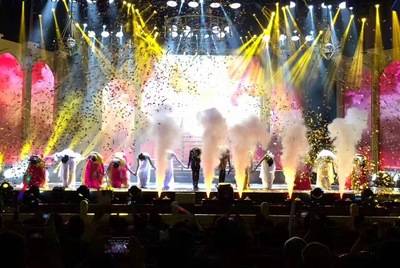
The rhythm of the music dictates the rhythm of the lighting. This is what we often call the coordination of lighting and music. How exactly do you sync them? First, understand the time signature of the piece—whether it's 4/4, 3/4, or 6/8—and identify the strong and weak beats. You can use different colors and intensities of light to match the beats. If the music is very fast, the lighting doesn't need to hit every beat; you can ignore the weak beats and only reflect the strong ones. Musical rests can be represented by dark scenes. You can use changes in the duration, intensity, color, and type of lighting to reflect changes in note length, strength, pitch, and timbre. The structure of the music dictates the structure of the lighting. We can divide the lighting structure into physical and non-physical structures. Stage lighting engineers often arrange par cans, fresnels, moving heads, and color changers in different combinations and layers to create a three-dimensional lighting space, which is the physical structure (spatial structure) of the lighting.
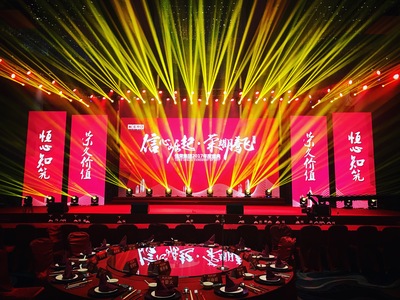
What is the non-physical structure? For example, a piece of music has an intro, interlude, main melody, and secondary melody. The lighting should also be divided into different sections, using different combinations of lights and different changes to reflect the different parts of the music. You can pre-program some lighting movements as "tools" based on the needs of the music's rhythm and melody, and then combine them in different ways to express the various sections of the music. These different combinations of lighting movements constitute the non-physical structure of the lighting. So we say that the structure of the music dictates the structure of the lighting, specifically the non-physical structure. Some particularly important details in the music should be highlighted with lighting. The cadenza or a solo by a certain instrument is a highlight of a piece, and the lighting should be especially coordinated and expressive. Therefore, when designing the lighting, you should create special lighting movements to highlight these important details.


How to Plan a Successful Immersive Themed Exhibition?

How to Customize Event Plans for Clients?

How to Uncover a Unique Brand Story?

Marketing Event Planning and Execution Guide

Fun Christmas Interactive Activities for Your Team

Fireworks Installation Design Guide

How to Better Understand Target Customer Needs for Community Marketing?

A Practical Guide to Offline Community Marketing Events for Real Estate

How to Optimize Roadshow Effectiveness Based on Venue Layout
How to Choose a Non-Traditional Venue for Your Salon Meeting?
TOWIN News