
How to Customize Event Plans for Clients?
1. In-depth Communication and Needs Analysis
- Initial Consultation: Conduct an initial meeting with the client to understand their basic needs, goals, and expectations, including the event's purpose, number of participants, budget, time, and location.
- In-depth Interviews: Through detailed interviews, further uncover the client's specific needs, brand positioning, and target audience, ensuring these elements are fully reflected in the event planning.
2. Market Research and Analysis
- Industry Research: Conduct market research on similar events, analyze industry trends and competitors, and identify potential opportunities and challenges.
- Audience Analysis: Study the characteristics and preferences of the target audience to ensure the event theme and content can attract and satisfy participants.
3. Creative Concept and Plan Design
- Theme Design: Based on client needs and market research, propose creative themes and concepts for the event, ensuring alignment with the client's brand image and goals.
- Plan Development: Write a detailed event plan, including the event flow, session setup, guest invitations, stage layout, and technology applications (such as audio, lighting, video, etc.).
4. Budget and Resource Integration
- Budget Planning: Estimate the required costs based on the event plan, ensuring effective resource allocation within the client's budget.
- Resource Integration: Contact and coordinate various suppliers (such as venue, catering, equipment rental, etc.) to obtain the best services and prices.
5. Timeline and Execution Plan
- Develop a Timeline: Clearly define the various stages and milestones of the event to ensure all tasks proceed smoothly as planned.
- Determine the Execution Team: Assemble a professional execution team responsible for supervising and implementing all preparatory work to ensure the successful execution of the event.
6. On-site Management and Coordination
- On-site Setup: Arrange the venue according to the design plan to ensure it aligns with the event theme and requirements.
- Flow Control: On the day of the event, manage and control the event flow to ensure each segment proceeds as planned and handle any unexpected situations promptly.
7. Post-event Evaluation and Summary
- Collect Feedback: After the event, gather participant feedback and evaluation data to understand the event's effectiveness and participant satisfaction.
- Summary Report: Write a summary report, highlighting successful experiences and areas for improvement, providing references and suggestions for future events.
8. Long-term Relationship Maintenance
- Client Follow-up: Regularly follow up with clients after the event to understand their subsequent needs, provide value-added services, and maintain good client relationships.
- Ongoing Communication: Maintain long-term communication with clients to help them plan future event strategies and plans.
Conclusion
Through the above steps, you can tailor high-quality event plans for clients, helping them achieve their event goals and enhance brand value and market influence. This systematic planning and execution ensures the success and smooth running of the event.


How to Plan a Successful Immersive Themed Exhibition?
How to Customize Event Plans for Clients?

How to Uncover a Unique Brand Story?

Marketing Event Planning and Execution Guide

Fun Christmas Interactive Activities for Your Team

Fireworks Installation Design Guide

How to Better Understand Target Customer Needs for Community Marketing?

A Practical Guide to Offline Community Marketing Events for Real Estate

How to Optimize Roadshow Effectiveness Based on Venue Layout
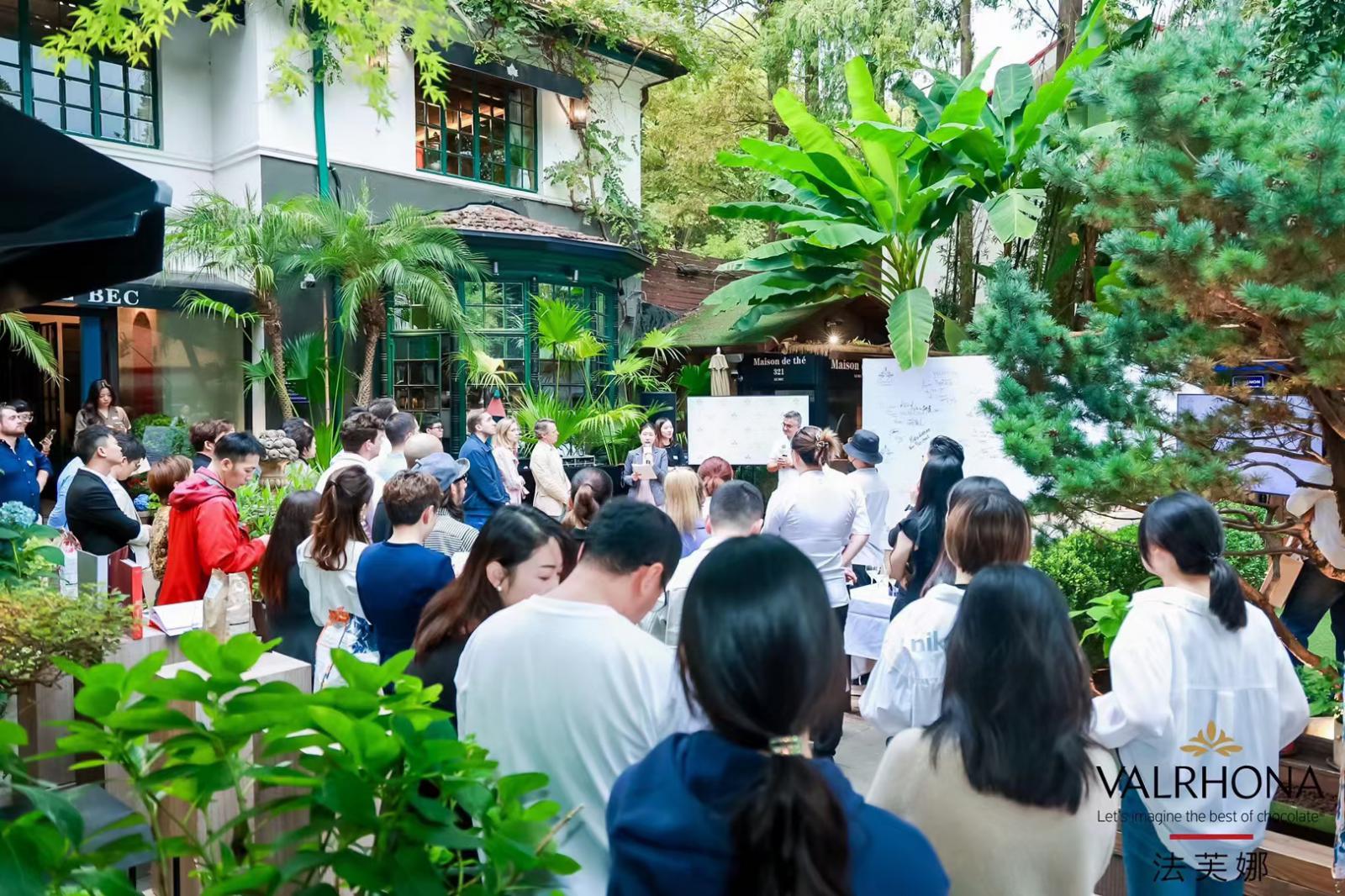
How to Choose a Non-Traditional Venue for Your Salon Meeting?
TOWIN News