

Stage Lighting Design Essentials: Sculpt with Light, Limit Colors, Use Darkness, Less Is More
Stage lighting design should be tailored to the theme and type of performance. Lighting design requires a deep understanding of the event, including what the director wants the audience to see, what role lighting should play, and how to highlight the content that the audience should focus on.
Sculpt with Light
Dancers are often lit with side lighting to enhance the shape of their bodies and movements, while performers need strong backlighting to visually separate them from the background.
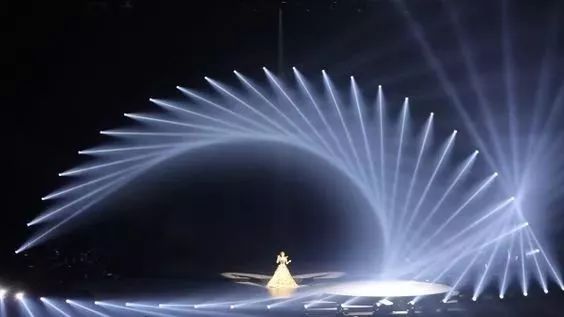
Limit Colors
Visual effects on stage can become overly complex with too many color combinations. Limiting the colors of lighting, using only a few colors at a time, results in a cleaner and more pleasing aesthetic.
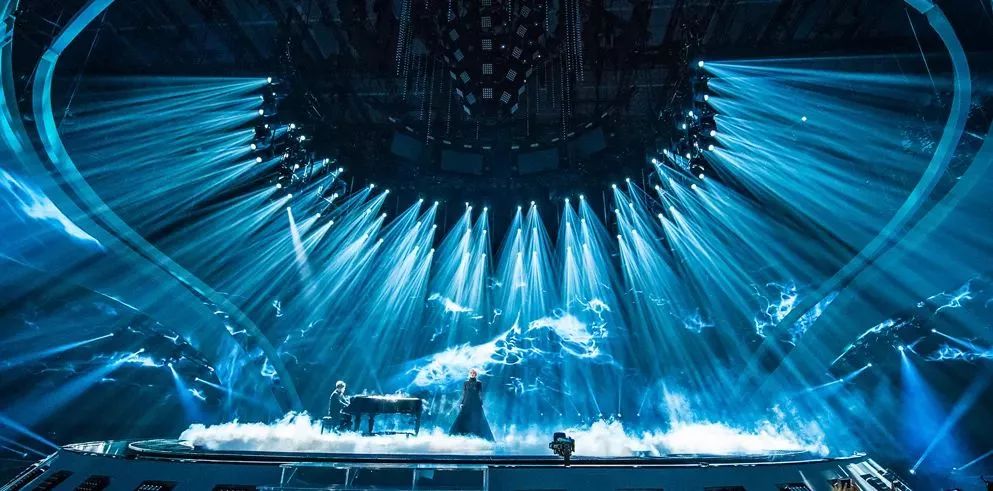
Use Darkness
For a show, moments of darkness are sometimes more important than moments of illumination. Lighting designers need to consider using darkness as deliberately as they use light, similar to the technique of 'leaving blank space' in Chinese art, creating infinite imaginative space.
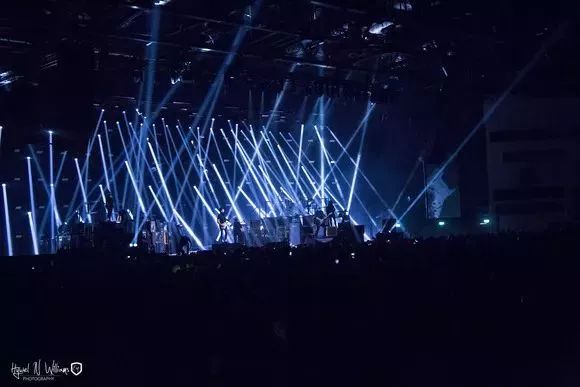
Less Is More
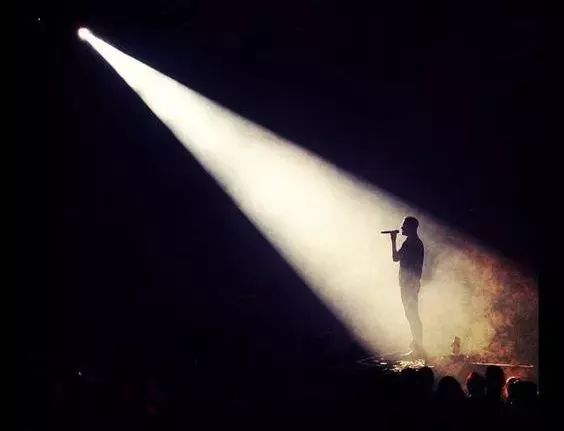
During a concert, a song might be illuminated with only a few lighting fixtures to highlight the singer, while the rest of the songs use a full set of lighting equipment and design. Compared to other performances that use hundreds of lights, this minimal moment can be more beautiful and more impressive.

How to Plan a Successful Immersive Themed Exhibition?

How to Customize Event Plans for Clients?

How to Uncover a Unique Brand Story?

Marketing Event Planning and Execution Guide

Fun Christmas Interactive Activities for Your Team

Fireworks Installation Design Guide

How to Better Understand Target Customer Needs for Community Marketing?

A Practical Guide to Offline Community Marketing Events for Real Estate

How to Optimize Roadshow Effectiveness Based on Venue Layout
How to Choose a Non-Traditional Venue for Your Salon Meeting?
TOWIN News