

5 Basic Characteristics of Annual Meeting Planning
To boost morale, create an organizational atmosphere, deepen internal communication, promote strategic sharing, enhance goal alignment, and set objectives for the upcoming year, companies typically hold a celebration at year-end that generates social and economic benefits. This is called an annual meeting. The process by which professional planning companies design the celebration and festivity content is known as annual meeting planning.
Annual meeting planning is a strategic action that guides the overall development of the company's annual meeting. The key to a successful annual meeting lies in the planner's ability to oversee the entire event. Annual meeting planning has five basic characteristics as follows:

1. Purposefulness
Annual meeting planning is purposeful. The overall goal of the annual meeting is to enhance the company's visibility and reputation, and to shape a positive corporate image. Annual meeting planning always revolves around the meeting's objectives and must serve the strategic and overall goals, contributing to the success of the event. The objectives are both the starting point and the destination of planning. The clearer and more specific the objectives, the easier the planning and the more likely the company's overall goals will be achieved. To define the objectives, research is essential—"no investigation, no right to speak." Only by establishing objectives based on research can planning be effective.

2. Planning
Annual meeting planning is planned. The purpose is to overcome randomness and blindness, following the company's development characteristics and the public's cognitive and psychological response patterns, implementing strategies in a planned and step-by-step manner so that people naturally feel the impact of the meeting. Planning ensures that all elements and stages are coordinated and mutually reinforcing through meticulous orchestration.
3. Comprehensiveness
Annual meeting planning involves the overall coordination of the company's annual meeting, touching all aspects of the organization. It requires significant human, material, and financial resources, leaving no room for negligence. Planning must consider both social benefits and organizational interests, long-term and short-term benefits, and strategy and tactics. Therefore, it requires foresight and a comprehensive view.
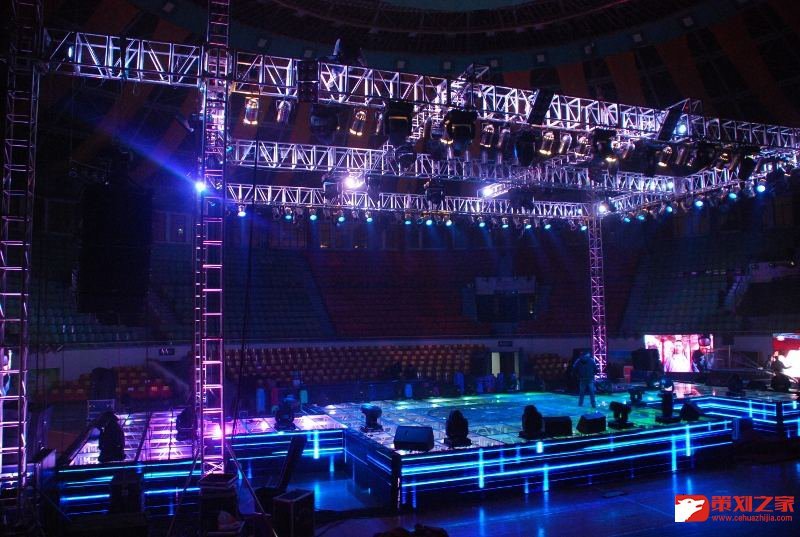
4. Innovation
Throughout the history of annual meetings, predecessors have created countless classic and outstanding plans, leaving a rich legacy. Innovation is the soul of annual meeting planning, which cannot be separated from creative thinking. Adhering to "make the past serve the present" and "make foreign things serve China," planners must not be limited by predecessors, reflect the spirit of the times, dare to explore and innovate, and fully utilize the imagination of creative staff. Designing novel and unique plans based on China's conditions and public habits is the historical mission of every planner.

5. Flexibility
The environment in which a company operates is constantly changing; change is absolute, and constancy is relative. Faced with rapid changes, the annual meeting strategy must be adjusted accordingly. Any well-conceived and rigorous plan may need adjustments due to changes in subjective and objective conditions. Therefore, the annual meeting planning should leave some leeway from the outset to "respond to changes with constancy."

How to Plan a Successful Immersive Themed Exhibition?

How to Customize Event Plans for Clients?

How to Uncover a Unique Brand Story?

A Creative Marketing Extravaganza

Fun Christmas Interactive Activities for Your Team

Fireworks Installation Design Guide

How to Better Understand Target Customer Needs for Community Marketing?

How to Implement Offline Activities in Real Estate Community Marketing?

How to Optimize Your Roadshow Based on Venue Layout?
How to Choose a Non-Traditional Salon Meeting Venue?
TOWIN News