

Three Key Elements of a Large Event Plan
A successful event has three elements: it must be meaningful, influential, and beneficial.
To achieve these elements and make an event vibrant, well-received, and popular, you first need a good plan. Event planning is key because a good plan leads to good event outcomes.
Evaluating whether an event will be successful can be predicted 70-80% from the plan itself. Due to inherent deficiencies, mediocre plans only produce mediocre events. Mediocre plans typically exhibit the following three issues:
(1) Lack of highlights
This is a fatal reason why many event plans fail. What is a "highlight"? Simply put, it's an idea in the plan that makes you feel a jolt of excitement or even makes you want to applaud, like lighting a single candle in a dark room that illuminates the entire space; or like a spring in a pond that brings the water to life.
(2) Lack of significance
Standing high, your voice travels far; without height, there is no appeal. Distinguished guests attend an event not just for high appearance fees. If the event's concept is elevated, it attracts extensive media coverage, increasing its influence and social value, naturally drawing in high-minded individuals. An event is like a person: to be happy, it must have meaning and be interesting.
(3) Grand but empty
Flashy but not practical; the creativity cannot be implemented. Many event plans look impressive at first glance, with a long list of titles and a series of activities, seemingly determined to amaze. But upon closer inspection, they are bland and full of flaws, with many grandiose ideas that cannot be realized. A good event plan takes a brilliant highlight and deepens it to the extreme, then uses it to activate the entire event.
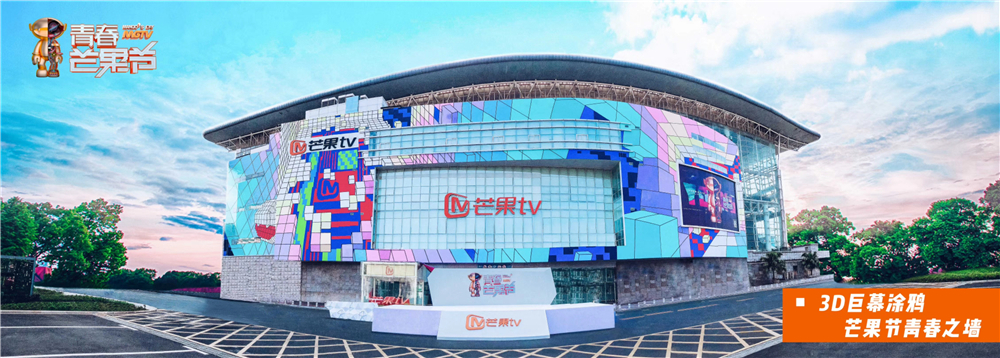
Good event planning requires gaining recognition from three parties. Just as customers purchase a branded product, participants, sponsors, and guests go through a process of awareness, cognition, recognition, and finally purchase (participation, sponsorship, or attendance). This journey typically involves five stages: doubt, observation, exploration, trial, and cooperation.
Most events lack brand and influence, so clients remain in the doubt and observation stages. This is a terrible situation for organizers: First, attracting sponsors is difficult; sponsors won't support an event with no influence, brand, or return. Second, attracting attendees is hard; they can't trust an event with no reputation or influence, and their needs won't be met. Third, inviting heavyweight guests is challenging; they weigh the importance of the event and the value of their attendance among many invitations.
Therefore, to run a successful event, you must influence and win over these three groups and excel in these three areas.

How to Plan a Successful Immersive Themed Exhibition?

How to Customize Event Plans for Clients?

How to Uncover a Unique Brand Story?

A Creative Marketing Extravaganza

Fun Christmas Interactive Activities for Your Team

Fireworks Installation Design Guide

How to Better Understand Target Customer Needs for Community Marketing?

How to Implement Offline Activities in Real Estate Community Marketing?

How to Optimize Your Roadshow Based on Venue Layout?
How to Choose a Non-Traditional Salon Meeting Venue?
TOWIN News