
Strategies and Execution Guide for Corporate Events to Ignite the Market
 To make corporate events ignite the market, follow these steps and strategies:
1. Define Clear Event Goals and Positioning:
· Set specific, measurable goals, such as growth in social media followers or the number of event mentions.
· Precisely position the event to align with the brand image, and tailor content to the specific needs and interests of the target audience.
2. Understand Your Target Audience:
· Use market research, data analysis, and customer feedback to understand the interests, needs, and behavioral habits of your target audience.
· Develop event content that meets audience needs to attract more participants.
3. Carefully Plan Event Content:
· Diversify event formats, such as interactive experiences combining online and offline, creative product displays, and highly engaging game segments.
· Ensure content is novel, interesting, and relevant to the brand, enhancing participant experience and satisfaction.
4. Develop a Detailed Event Plan:
· Include pre-event preparations such as venue selection, material preparation, and staff assignment.
· Focus on execution processes like event flow scheduling and contingency plans for unexpected situations.
· Post-event follow-up includes evaluating event effectiveness, collecting feedback, and formulating improvement plans.
5. Multi-Channel Promotion:
· Combine online channels (e.g., social media, email marketing, search engine ads) and offline channels (e.g., traditional media, outdoor advertising, word-of-mouth) for promotion.
· Leverage influential partners such as influencers and key opinion leaders for promotion.
6. Provide High-Quality On-Site Service:
· Ensure on-site staff are well-trained to promptly address participant issues and provide attentive service.
7. Execution and Monitoring:
· Build a professional event execution team with clear division of roles and responsibilities.
· Monitor and evaluate event effectiveness in real time, such as participation rates and conversion rates.
· Adjust strategies and resource allocation promptly to optimize event outcomes.
8. Post-Event Evaluation and Summary:
· Conduct a comprehensive evaluation after the event, considering indirect effects such as increased brand awareness and user satisfaction.
· Write a detailed event summary report, analyzing successes and shortcomings to provide insights for future event planning.
By following these steps, companies can ensure event success and create greater market impact.

How to Plan a Successful Immersive Themed Exhibition?

How to Customize Event Plans for Clients?

How to Uncover a Unique Brand Story?

Marketing Event Planning and Execution Guide

Fun Christmas Interactive Activities for Your Team

Fireworks Installation Design Guide

How to Better Understand Target Customer Needs for Community Marketing?

A Practical Guide to Offline Community Marketing Events for Real Estate

How to Optimize Roadshow Effectiveness Based on Venue Layout
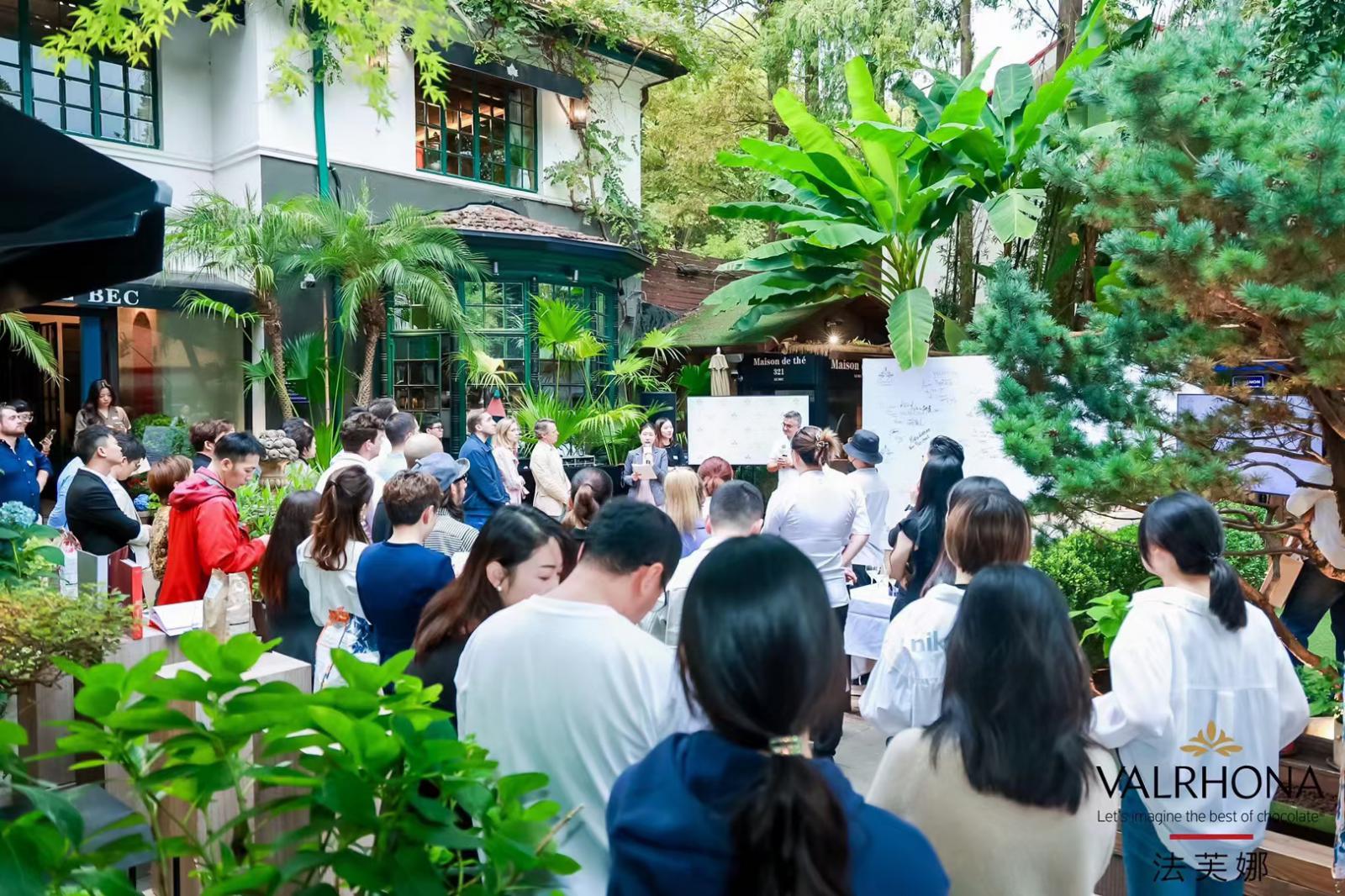
How to Choose a Non-Traditional Venue for Your Salon Meeting?
TOWIN News