

Why Marketing Plans Determine the Success or Failure of Brand Promotion
Before brand promotion is officially implemented, it is usually necessary for a professional promotion company to design a promotion plan for the enterprise, and frontline marketing personnel to verify the feasibility of the plan. Especially for large companies, marketing steps are more complex, aiming to achieve marketing results and avoid risks. So why does the marketing plan directly determine the success or failure of marketing in brand promotion?
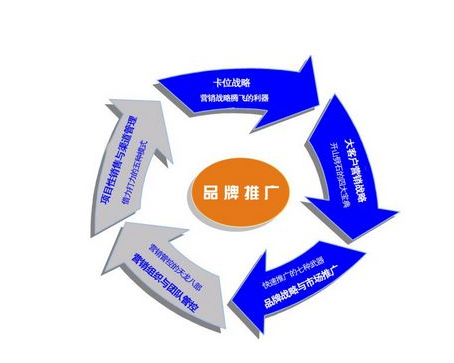
First, the marketing plan directly determines whether consumers accept the marketing campaign.
Different enterprises have different customer groups. The purpose of marketing is usually to discover potential customers and retain existing ones. People from different social strata and with different spending power have significant differences in their mindsets. Therefore, during brand promotion, it is not advisable to impose the thinking of one group onto others. Whether a company's promotional campaign succeeds depends on whether the target consumer group accepts it. As the overall design blueprint for brand promotion, the marketing plan inevitably plays a core role.
Second, it directly affects the execution of later marketing efforts.
Many enterprises need long-term brand promotion and strictly follow the marketing mainline. The marketing plan details the expected outcomes after marketing. If the plan is highly executable, the brand marketing activities can be completed smoothly and achieve the desired results. However, if difficulties arise during implementation or the enterprise's investment becomes too large, execution becomes more challenging, and the marketing effect is greatly diminished.
Third, it determines the flow of people.
Whether the brand promotion plan has highlights and is worth the attention of potential customers is a key factor directly affecting the promotional effect. Brand planning directly determines the flow of people. According to probability theory, the larger the traffic, the more potential customers, and the better the marketing effect; conversely, the effect is reduced.
Based on the above three points, it is essential to pay attention to brand planning before brand promotion, and the planning plan must be detailed and comprehensive. Before implementation, it is necessary to coordinate the timing of later implementation, such as whether it coincides with major holidays, regional anniversaries, or whether there are national or regional policy changes that could hinder the plan. These all need to be planned in advance to significantly reduce marketing risks and enable the enterprise to achieve the intended marketing results.

How to Plan a Successful Immersive Themed Exhibition?

How to Customize Event Plans for Clients?

How to Uncover a Unique Brand Story?

A Creative Marketing Extravaganza

Fun Christmas Interactive Activities for Your Team

Fireworks Installation Design Guide

How to Better Understand Target Customer Needs for Community Marketing?

How to Implement Offline Activities in Real Estate Community Marketing?

How to Optimize Your Roadshow Based on Venue Layout?

How to Choose a Non-Traditional Salon Meeting Venue?
TOWIN News