

Corporate Annual Meeting Planning Process: From Budget Asses***ent to Rehearsal Execution
Planning a corporate annual meeting, especially a large-scale event with hundreds or even thousands of attendees, is a complex task for administrative or planning teams. Below is a breakdown of the key planning steps to help you stay organized.
Overall Process
Assess budget — Determine format — Choose theme — Set date and venue — Plan program — Arrange etiquette and performances — Decorate venue — Conduct rehearsal
Budget Assessment
Budget is the most important foundation for any event. Whether you plan internally or hire a professional event company, confirm the budget with leadership to estimate costs for each subsequent step and avoid overspending.

Determine Format
The ultimate goals of the annual meeting are to summarize the year's achievements, outline future plans, and boost employee cohesion. Choose the format based on company culture and specific objectives.
Choose Theme
Common annual meeting themes include: "Maintain Excellence, Create New Glory," "Heart & New," "Transcend, Transform, Elevate," and "Forge, Unite."
Set Date and Venue
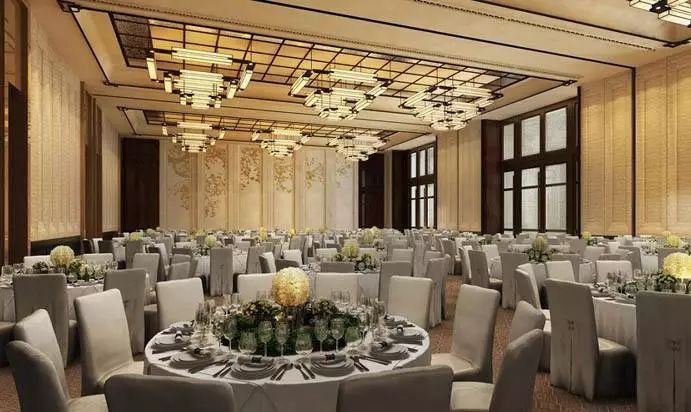
Confirm the date with superiors, considering any potential conflicts with business operations. Once the date is set, find a local venue based on the number of attendees and event scale.
Program Plan
The typical flow from start to finish: audience entry — opening show — host introduction — red carpet walk — chairman's address — awards ceremony — employee sharing — lunch/dinner — entertainment performances — interactive games (lucky draw) — performances — lucky draw — performances. Usually, dining begins during the performances.
Etiquette and Performances
Hostesses are needed for guest reception, registration, ushering, and award presentations. Different occasions require different makeup, hairstyles, and attire for the hostesses.
Venue Decoration
During planning, create 3D renderings based on the venue floor plan to guide on-site setup, including the placement of large screens, lighting, sound systems, and other hardware.
Rehearsal
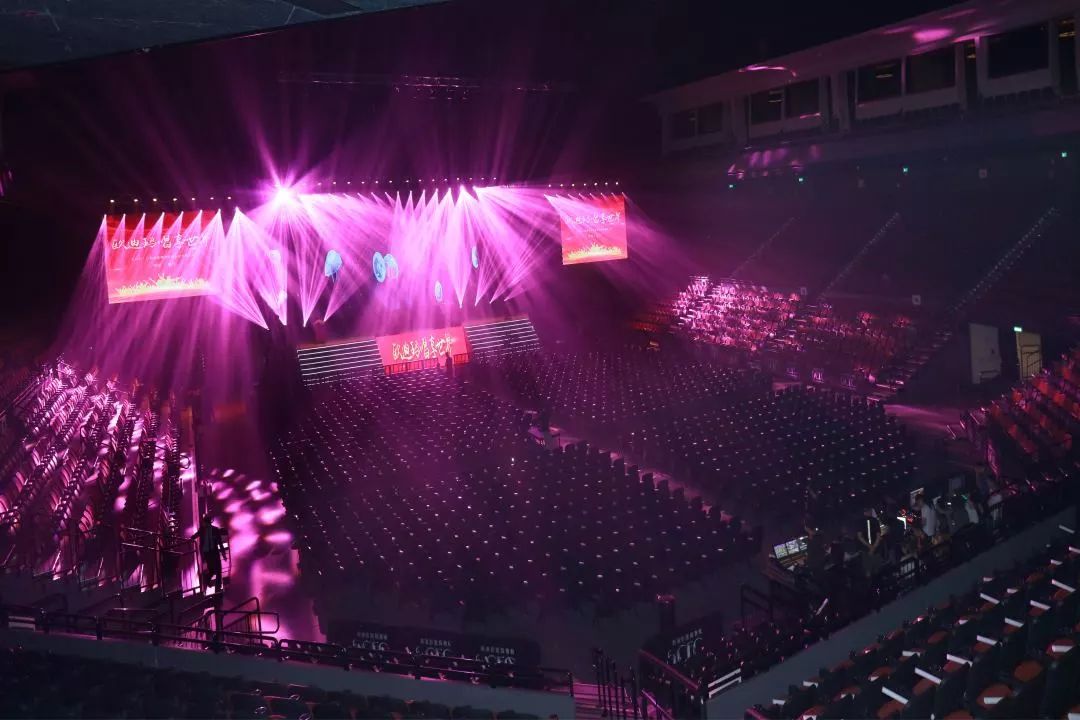
For complex programs, a rehearsal should be conducted at least 6 hours before the event starts, including equipment testing, performer blocking, and adjustments to lighting, sound, and LED screens. A detailed rehearsal schedule is essential.

How to Plan a Successful Immersive Themed Exhibition?

How to Customize Event Plans for Clients?

How to Uncover a Unique Brand Story?

Marketing Event Planning and Execution Guide

Fun Christmas Interactive Activities for Your Team

Fireworks Installation Design Guide

How to Better Understand Target Customer Needs for Community Marketing?

A Practical Guide to Offline Community Marketing Events for Real Estate

How to Optimize Roadshow Effectiveness Based on Venue Layout
How to Choose a Non-Traditional Venue for Your Salon Meeting?
TOWIN News