
Four Key Steps to Planning Corporate Culture Activities
How do you plan a corporate culture activity that employees love and leaders are satisfied with? The following four key steps can serve as a reference.
1. Precise Theme, Creative and Novel
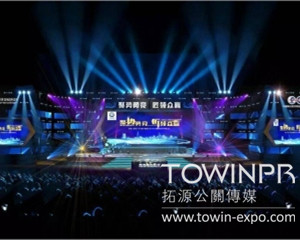
The theme is the first step in event planning. Planners need to consider five elements: background, purpose, goals, target audience, and scale. They should gather information on industry characteristics and regional culture, connect it with the corporate culture, and refine a precise theme through brainstorming. Once the theme is determined, conceive three or four creative ideas to interpret it. For example, when New Advantage planned a party-building activity for Guiyang Rail Transit, they combined the purpose of party-building with the "Ecological Metro Culture" and planned an activity in Zunyi with the theme "Red Pioneers, Moving Forward Together." Set against the background of the Red Army's Long March in 1935 needing support, participants were divided into groups to complete tasks such as "delivering intelligence," "raising revolutionary funds," "visiting revolutionary sites," and "raiding Loushan Pass." The precise theme and novel creativity made the event a complete success.
2. Emphasis on Execution, Attention to Details
After the creative plan is approved, a detailed execution plan must be written, including background, purpose, theme name, target audience, strategy, content, rules, organizational division of labor, process, material list, logistical support, implementation schedule, promotional plan, and budget. Every aspect must be clearly written, with logical processes and clear division of responsibilities. At the same time, establish a good communication mechanism to ensure that planners and executors communicate at all times and pay attention to details. Otherwise, a small oversight, such as a typo on a PPT, can affect the overall tone.
3. Distinctive Packaging, Creating Atmosphere
Under the premise of fitting the theme, distinctive event packaging can create a strong atmosphere and attract participants to engage. Planners need to set a unified style for materials involved in the event, such as backgrounds, posters, prizes, attire, and game names. For example, New Advantage planned the "Find the Reading Master - Three Kingdoms Battle" event for Chengdu Jiu Fang Shopping Center, dividing participants into three teams: Wei, Shu, and Wu. They provided battle robes, flags, and strategy pouches, and set the ultimate prize as the "Imperial Seal." The Three Kingdoms-style packaging quickly immersed everyone in the scenario.
4. Master the Budget, Control Costs
The budget cannot be overlooked. Except for giant companies like Alibaba that can spend huge sums on an "Alibaba Annual Meeting," most companies have limited budgets for activities. Planners should understand the budget range in advance and keep expenditures within it; otherwise, budget issues may directly veto the creative idea.

How to Plan a Successful Immersive Themed Exhibition?

How to Customize Event Plans for Clients?

How to Uncover a Unique Brand Story?

Marketing Event Planning and Execution Guide

Fun Christmas Interactive Activities for Your Team

Fireworks Installation Design Guide

How to Better Understand Target Customer Needs for Community Marketing?

A Practical Guide to Offline Community Marketing Events for Real Estate

How to Optimize Roadshow Effectiveness Based on Venue Layout
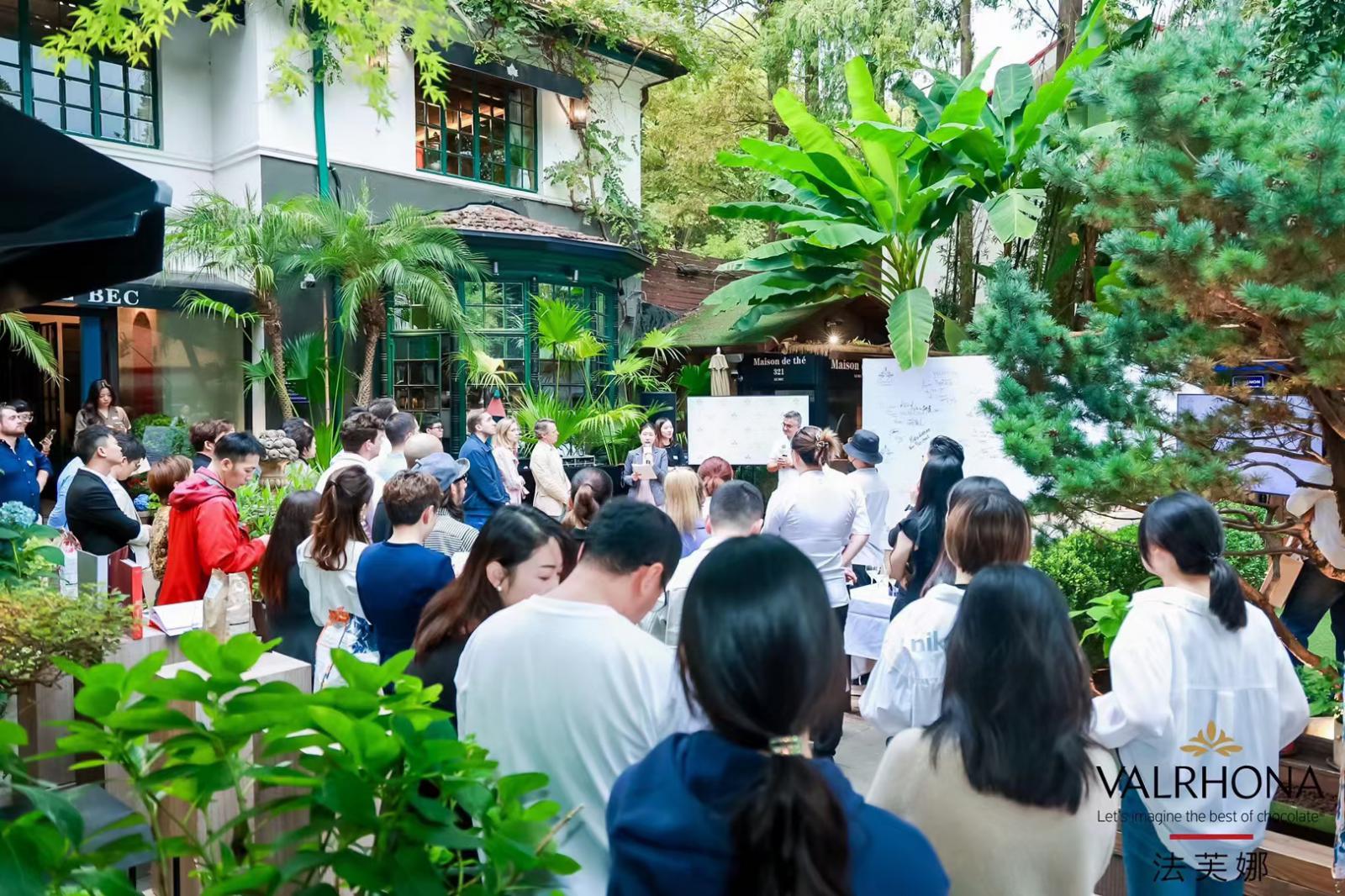
How to Choose a Non-Traditional Venue for Your Salon Meeting?
TOWIN News