

What Does Event Execution Actually Do? A Comprehensive Guide to the Full Workflow
A large number of planners start their careers in event execution. After handling dozens or even hundreds of events, they gain a thorough understanding of each event, mastering every detail. As a result, their event proposals are more practical and grounded.
Many event proposals are full of creativity during the pitch but often fail during execution. So never underestimate execution—it is a core competitive advantage for any team!
So, as an event executor, the work is diverse. What exactly do you need to do?
I. Basic Functions of Execution
1. Basic Knowledge: A good event executor needs to be familiar with the materials, production timelines, and pricing involved in events, as well as the types and functions of lighting and sound equipment. Without this knowledge, how can you customize materials?
2. Resource Library: You need to develop your own supplier network, including venue resources, equipment suppliers, entertainment agents, media contacts, etc. Accumulate these resources so they can be readily used when executing proposals.
3. Familiarity with Processes: Be familiar with basic event preparation processes, such as registration, warm-up, speeches, awards, etc. Understand what resources are needed for various event flows and what presentation formats are available.
II. Pre-Event Preparation
1. Early Stage: The executor must fully understand the proposal, the project details, and even the client's or industry's context. You wouldn't want to turn a tech summit into a retail fair.
Additionally, you need to be thorough with all background information, such as the event flow, venue, and expected number of attendees. You should also leverage resources to recommend suitable venues based on event requirements.
2. Mid Stage: Event execution involves coordinating with many people, mainly the various project leads from the client side. On one hand, you need to ensure the proposal is accurate; on the other, you must confirm with the client whether the designs based on the proposal are feasible. This process requires patience and attention to detail.
Materials involve many suppliers, so you need to communicate well in advance. When coordinating materials, consider production lead times and logistics. Therefore, proper time planning is essential throughout the event.
3. Late Stage: The later stage is the actual execution phase. First, assign staff for registration area setup, guest reception, performers, hosts, and material placement. Clear division of labor improves efficiency.
Next, repeatedly check on-site materials and hardware facilities. For live streaming, pay extra attention to network stability.
To ensure smooth execution, you also need to anticipate potential risks and have contingency plans in place.
III. Specific Tasks During the Event
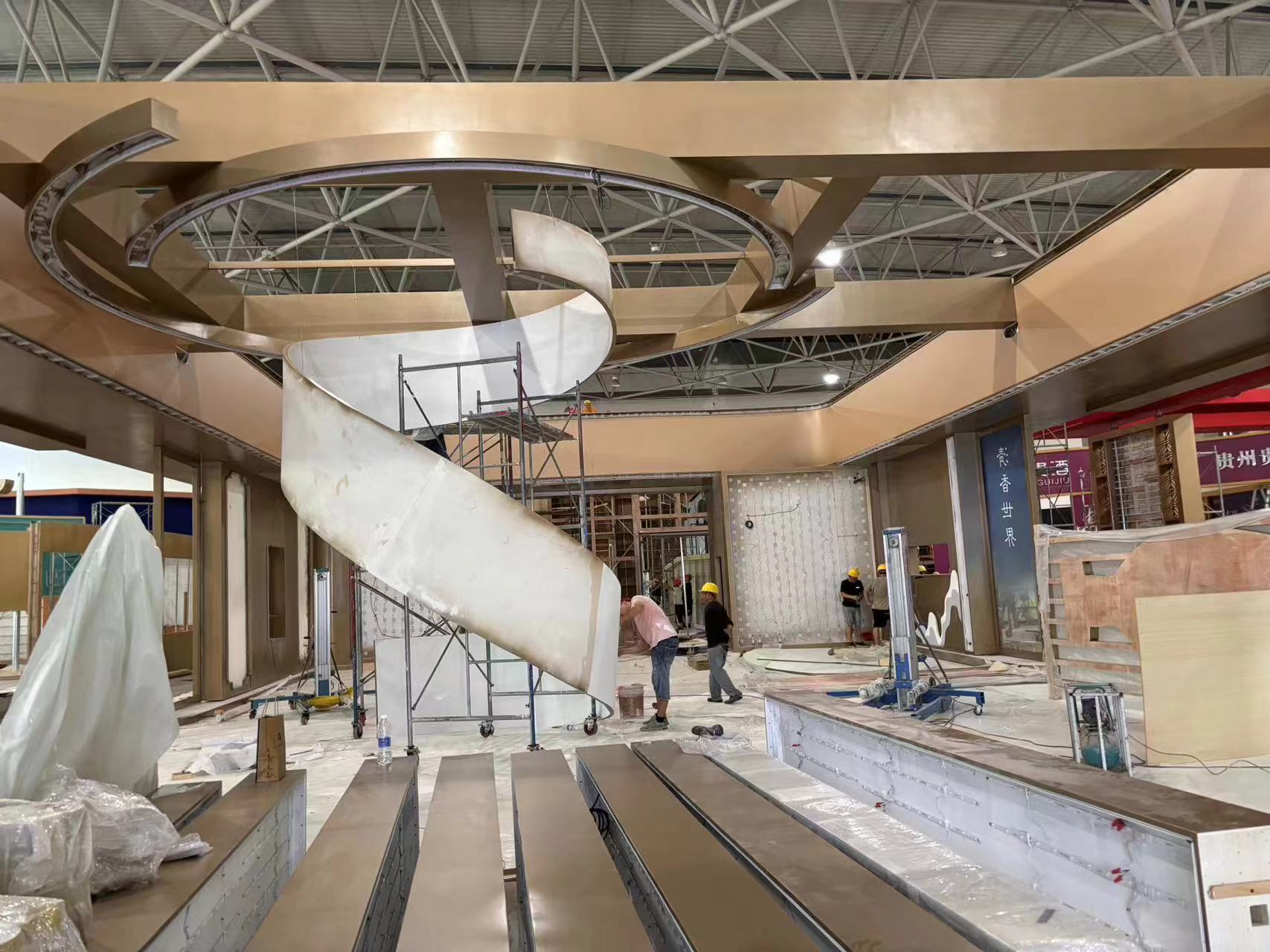
1. Setup: Before the event starts, the executor must arrange the venue, i.e., move in. This is typically scheduled in advance, often the day before the event, with all suppliers on site—flowers, LED screens, lighting and sound, tables and chairs, KT boards, registration walls, etc.
2. Rehearsal: Small events usually have one rehearsal; large events may have 2-3 rehearsals—one general and one with full makeup and costumes (hair, stage makeup, outfits). Notify clients, performance teams, hosts, and equipment teams (makeup, costume, props, orchestra, lighting and sound) in advance.
3. Event Day: Guests and media must be notified well in advance—one month prior, three days prior, and again 30-60 minutes before the event with specific time and location. Once everyone is in place, the event can begin.
4. Crisis Management: During the event, minor issues may arise—a performer is late, equipment malfunctions, a video fails to play. The executor must respond quickly to resolve problems and ensure the event proceeds smoothly. If guests and clients don't notice, you've succeeded.
5. Post-Event Interviews: Media interviews are common for events like film premieres or press conferences, but rare for small events. If interviews are scheduled, arrange a meeting room in advance and provide interview questions or talking points to the interviewees beforehand.
The above covers the execution work for general events. Processes are fixed, but people are flexible. As an event executor, you must adapt and handle any on-site issues with agility.

How to Plan a Successful Immersive Themed Exhibition?

How to Customize Event Plans for Clients?

How to Uncover a Unique Brand Story?

A Creative Marketing Extravaganza

Fun Christmas Interactive Activities for Your Team

Fireworks Installation Design Guide

How to Better Understand Target Customer Needs for Community Marketing?

How to Implement Offline Activities in Real Estate Community Marketing?

How to Optimize Your Roadshow Based on Venue Layout?
How to Choose a Non-Traditional Salon Meeting Venue?
TOWIN News