
How to Plan Creative IP Activities for Your Corporate Brand?
Planning creative IP activities for your corporate brand involves multiple stages, each requiring careful consideration and strategic layout. Here are the detailed steps and recommendations:
1. Define Activity Goals
- Set clear objectives: Ensure the activity has clear goals, such as increasing brand awareness, enhancing customer engagement, or driving product sales.
- Identify target audience: Deeply understand your target audience, clarifying their characteristics, needs, and interests to better design the activity for them.
2. Creative Concept Development
- Core brand values: Extract the brand's core values and unique selling points, ensuring the activity revolves around these elements.
- Story building: Create compelling stories around the brand IP to enhance emotional resonance with the audience, making it easier for them to identify with the brand.
3. Determine Activity Format
- Online activities:
- Live streaming promotions: Conduct product demos, online Q&A, etc., to attract more viewers.
- Social media campaigns: Design hashtag challenges or user-generated content (UGC) activities to encourage participation and sharing.
- Offline activities:
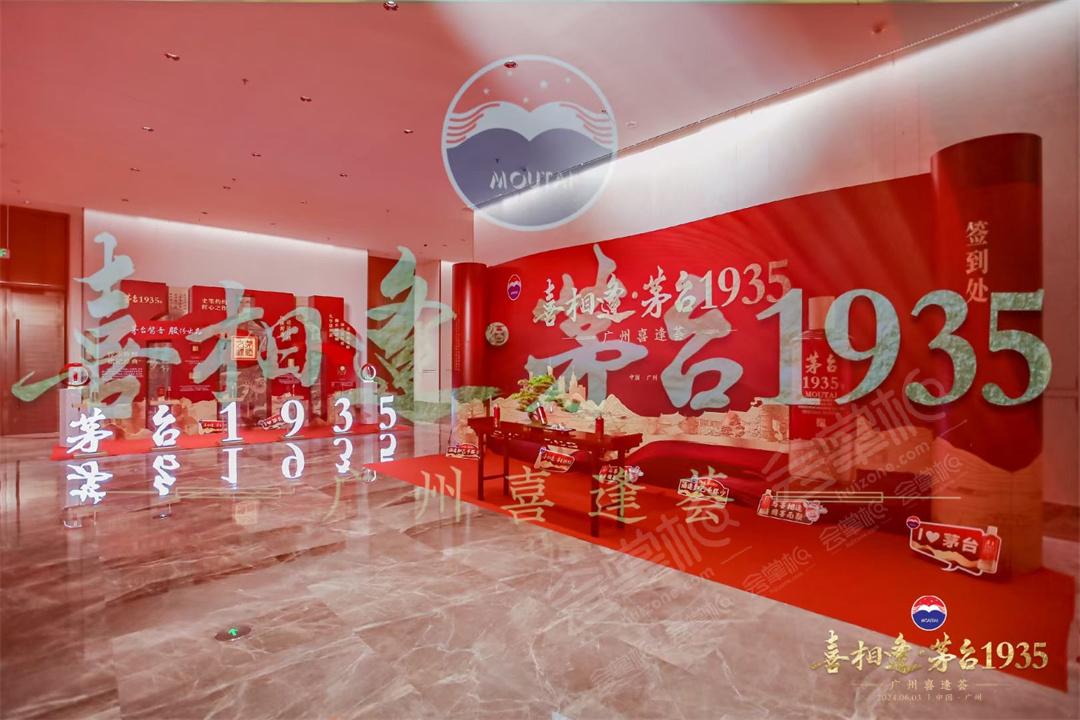
- Themed exhibitions: Create offline exhibitions to showcase brand IP and related products, allowing the audience to experience them up close.
- Interactive experiences: Set up interactive segments such as games or quizzes to enhance the sense of engagement and fun for on-site participants.
4. Marketing and Promotion Strategy
- Pre-event buzz: Promote in advance through email, social media, and other channels to build anticipation and excitement.
- Collaborative amplification: Partner with KOLs, co-brands, or media to expand the event's reach.
- Content creation: Publish relevant content (e.g., videos, articles) before and after the event to attract and educate the target audience.
5. On-site Execution and Management
- Team division: Clearly define team members' responsibilities to ensure efficient coordination and management.
- Contingency plans: Develop emergency plans to handle potential unexpected situations, ensuring the event runs smoothly.
6. Data Analysis and Feedback Collection
- Participation assessment: Collect and analyze data such as attendance, engagement rates, and social media reach.
- User feedback collection: Obtain participant feedback through surveys, social media comments, etc., to provide insights for future improvements.
7. Post-Event Maintenance and Follow-up
- Thank participants: Send thank-you messages to participants and consider offering small gifts or discounts to reinforce brand loyalty.
- Maintain engagement: After the event, continue to stay in touch with the audience via social media and email to enhance the brand's ongoing influence.
Conclusion
Successful creative IP activities for corporate brands require systematic event planning and execution, integrating creativity, market analysis, and audience interaction. With precise market positioning and effective communication strategies, your event will attract the target audience and enhance the brand's market competitiveness.

How to Plan a Successful Immersive Themed Exhibition?

How to Customize Event Plans for Clients?

How to Uncover a Unique Brand Story?

Marketing Event Planning and Execution Guide

Fun Christmas Interactive Activities for Your Team

Fireworks Installation Design Guide

How to Better Understand Target Customer Needs for Community Marketing?

A Practical Guide to Offline Community Marketing Events for Real Estate

How to Optimize Roadshow Effectiveness Based on Venue Layout
How to Choose a Non-Traditional Venue for Your Salon Meeting?
TOWIN News