
A Guide to Applying SWOT Analysis in Event Planning
Every event aims to bring benefits to the company, but how can we ensure that the event serves a targeted purpose? SWOT analysis can more directly analyze your event needs.
SWOT analysis, based on the internal and external competitive environment and conditions, is a situational analysis. It involves listing the main internal strengths and weaknesses and external opportunities and threats closely related to the research subject, arranging them in a matrix form, and then using systematic analysis to match and analyze various factors, drawing a series of corresponding conclusions that are often decision-oriented.
Using this method, you can conduct a comprehensive, systematic, and accurate study of the situation in which the research subject is placed, and accordingly formulate development strategies, plans, and countermeasures. SWOT analysis is often used to formulate group development strategies and analyze competitors; it is one of the common methods in strategic analysis.
S and W are internal factors, while O and T are external factors. According to the complete concept of corporate competitive strategy, a strategy should be an organic combination of what a company "can do" (i.e., its strengths and weaknesses) and what it "might do" (i.e., environmental opportunities and threats).
SWOT uses various research methods to analyze the environmental factors surrounding the company, namely external environmental factors and internal capability factors. External environmental factors include opportunity and threat factors, which are favorable and unfavorable factors that directly affect the company's development and are objective factors. Internal environmental factors include strength and weakness factors, which are positive and negative factors that exist within the company during its development and are subjective factors. When investigating and analyzing these factors, it is necessary to consider not only history and current status but also future development.
Strengths are internal factors of the organization, specifically including: favorable competitive position; sufficient financial resources; good corporate image; technical strength; economies of scale; product quality; market share; cost advantages; advertising campaigns, etc.
Weaknesses are also internal factors of the organization, specifically including: outdated equipment; chaotic management; lack of key technologies; lagging research and development; shortage of funds; poor management; product backlog; poor competitiveness, etc.
Opportunities are external factors of the organization, specifically including: new products; new markets; new demands; removal of foreign market barriers; competitor mistakes, etc.
Threats are also external factors of the organization, specifically including: new competitors; increasing substitute products; market contraction; changes in industry policies; economic recession; changes in customer preferences; unexpected events, etc.
The advantage of the SWOT method lies in its comprehensive consideration of issues, as it is a systematic way of thinking. It can closely combine the "diagnosis" of problems with the "prescription" for solutions, making it clear and easy to verify.
Constructing the SWOT matrix for the event: Arrange the various factors obtained from the investigation in order of priority or degree of impact to construct the SWOT matrix. In this process, prioritize factors that have direct, important, significant, urgent, and long-term impacts on the company's development, and place those with indirect, minor, slight, non-urgent, and short-term impacts later.
Developing an action plan: After completing the environmental factor analysis and constructing the SWOT matrix, you can formulate a corresponding action plan. The basic approach is to leverage strengths, overcome weaknesses, exploit opportunities, and mitigate threats; consider the past, base on the present, and focus on the future. Use systematic analysis and comprehensive methods to match and combine the various environmental factors, resulting in a series of alternative strategies for the company's future development.
Analyzing the role of the event: Overall, SWOT can be divided into two parts: the first part is SW, mainly used to analyze internal conditions; the second part is OT, mainly used to analyze external conditions. Using this method, you can identify factors that are beneficial and worth promoting, as well as those that are unfavorable and should be avoided, discover existing problems, find solutions, and clarify future development directions. Based on this analysis, problems can be classified by priority, distinguishing urgent issues from those that can be postponed, obstacles to strategic goals from tactical issues. List these research subjects, arrange them in a matrix form, and then use systematic analysis to match and analyze various factors, drawing a series of corresponding conclusions that are often decision-oriented, helping leaders and managers make more accurate decisions and plans.
* When conducting SWOT analysis, it is necessary to have an objective understanding of the company's strengths and weaknesses.
* When conducting SWOT analysis, it is necessary to distinguish between the company's current status and prospects.
* When conducting SWOT analysis, it is necessary to consider comprehensively to better solve problems through public relations activities.
* When conducting SWOT analysis, it is necessary to compare with competitors, such as whether you are better or worse than your competitors.

How to Plan a Successful Immersive Themed Exhibition?

How to Customize Event Plans for Clients?

How to Uncover a Unique Brand Story?

Marketing Event Planning and Execution Guide

Fun Christmas Interactive Activities for Your Team

Fireworks Installation Design Guide

How to Better Understand Target Customer Needs for Community Marketing?

A Practical Guide to Offline Community Marketing Events for Real Estate

How to Optimize Roadshow Effectiveness Based on Venue Layout
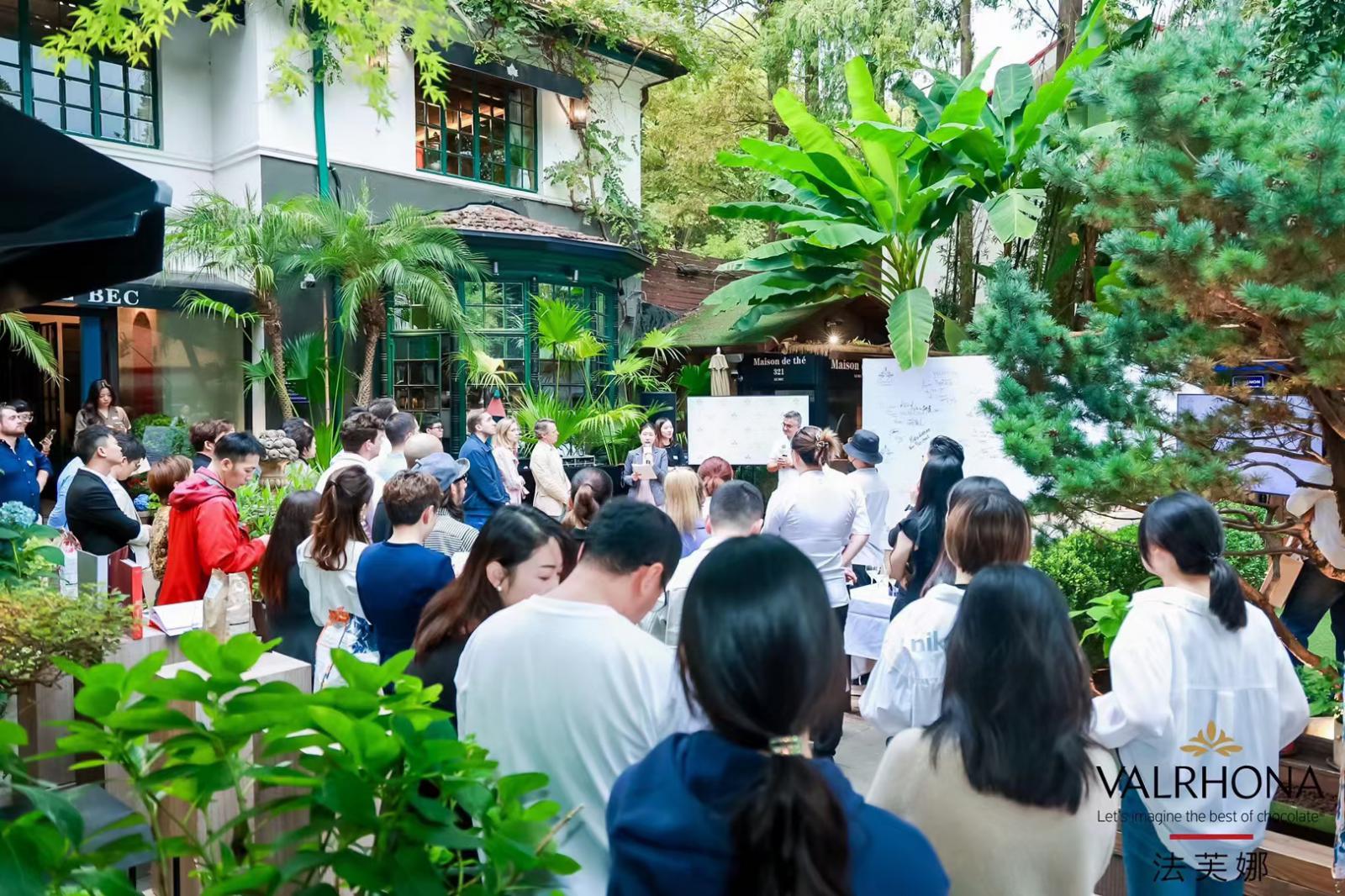
How to Choose a Non-Traditional Venue for Your Salon Meeting?
TOWIN News