
Seven Key Elements for Successful Event Marketing
In recent years, event marketing has gained popularity among enterprises due to its strong targeting, high concentration, and clear return on investment. As a marketing format, it has been widely applied. However, some enterprises fail to execute it effectively, leading to unsatisfactory results and even doubts about the effectiveness of event marketing itself. The marketing format itself is not inherently good or bad; the key lies in whether the user can master the operational points and techniques, which ultimately determine the final outcome.
Successful event marketing is a systematic endeavor. Based on years of event experience, Tuoyuan PR & Media believes that enterprises need to design from three stages: pre-event preparation, on-site execution, and post-event follow-up, encompassing the following seven key elements:
1. Define Clear Objectives
Clearly identify the target customers to invite and the goals to achieve. Any marketing activity must first clearly understand its target audience—i.e., which groups or organizations the marketing efforts are directed toward. Only by understanding the target audience can you provide products, services, and value tailored to them. Secondly, event marketing must have clear purposes. Many people mistakenly believe that the purpose of event marketing is simply to close deals or make sales. Undeniably, marketing aims to achieve transactions and sales, but this is the ultimate goal, reached through a series of processes. Different stages of event marketing serve different purposes. Here, we can use the AIDA model to define the objectives of corporate event marketing: A: Attention—capture attention; I: Interest—arouse interest; D: Desire—stimulate desire; A: Action—prompt action.
Defining these two aspects more deeply helps determine the event format and content: by researching and analyzing the target audience, you can identify the most appealing event formats, thereby increasing their enthusiasm and initiative to participate. Once the event's purpose is established, the organizer can design the content accordingly, making the event more focused and leaving a deeper impression on target customers.
2. Distinct Theme
Maximize attraction of target customers. The event theme is a summary of the event's content and essence; it determines whether target customers will continue to pay attention to the event's promotion and related content, because in this era of information overload, customers will not focus on things that do not interest them. The theme should be chosen based on the target customers and event objectives, ensuring alignment and resonating with their inner thoughts. A distinct theme requires high-level copywriting, typically 4-12 characters in length; too many characters make it hard to remember and reduce impact. The theme should be as sharp as a knife, hitting the target customers precisely.
People are exposed to over 1,800 pieces of information daily. Making the promotional theme of event marketing deeply resonate and leave a lasting impression on target customers is a critical issue for success.
3. Carefully Design the Event Flow
Interlocking and engaging. The purpose of event marketing is not the event itself but marketing; the flow should not be a simple arrangement of items but must be meticulously designed by the organizer so that participants unconsciously absorb the information and value the enterprise intends to convey. When designing the event flow, pay attention to the following three aspects:
- A good beginning is half the battle. The first program of the event must be attractive and resonate with the on-site participants.
- Clear logic: The sequence of content should be well-organized, with internal logic, interlocking to keep participants engaged.
- Interaction: The organizer should interact with participants, making them the protagonists.
4. Choose the Right Event Host
Make the event more professional. Different types of events suit different types of hosts. For example, health product events require expert-type hosts, while educational events need scholar-type hosts—that is, the host's identity should match the event type. The host plays a crucial controlling role in the event; the chosen person must possess basic hosting skills, such as language techniques to energize the atmosphere, observational skills to gauge the audience's thoughts, and the ability to improvise.
In reality, we often like a show because of the host. An excellent host can greatly enhance an otherwise dull event, while a poor host can ruin a carefully planned one.
5. Details Determine Success or Failure
Make the event more perfect. Details are often overlooked by many enterprises, and neglecting them can lead to half the results with double the effort. Event marketing is now a common marketing format, and many participants have attended similar events. If enterprises fail to demonstrate their differentiation and deep care for target customers through details, they will not win their favor. Key details for event marketing include:
- Attendance confirmation: Call target customers the day before the event to reconfirm the specific time, location, and transportation routes.
- Welcome at the entrance: Greet attendees at the venue entrance and organize them to go upstairs or take the elevator in an orderly manner.
- Timely catering: Serve tea as soon as guests are seated; during meals, ensure cleanliness and proper follow-up.
- Survey research: Design questions that attendees care about to understand their true thoughts.
- Promptly resolve attendee issues: No matter which staff member is approached, they must immediately resolve the issue without shirking responsibility.
- Farewell after the event: Staff should see off attendees at the exit and express gratitude.
6. Thorough Preparation
Ensure nothing goes wrong. Preparation accounts for half of the success of an event marketing campaign; thorough and timely preparation is a crucial guarantee for success. Preparation mainly includes pre-event promotion, invitations, staffing, venue setup, flow design, and employee mobilization. It is best to have a set of standard operating procedures and documents, including detailed work points for pre-, during-, and post-event phases, with time nodes, work standards, and responsible personnel.
Executors only need to follow the time and standards specified in the documents. For abnormal situations, they should report promptly or take measures to resolve them, never delaying and affecting the overall progress.
The most common issue in event marketing is last-minute scrambling; items that should be prepared on time are not, often due to the belief that there is ample time, ultimately affecting the smooth execution of the event. Enterprises must create a timeline for preparation and impose strict penalties for those who fail to follow the schedule and hinder overall progress.
7. Timely Follow-Up
Post-event follow-up helps improve success rates. The end of the event does not mean the end of marketing; rather, it can be seen as a new beginning. Participants in event marketing are clear potential customers. After the event's stimulation and in-depth understanding of the company's offerings, they may not immediately make a purchase decision; there is often a delayed effect. If marketers do not follow up, they may lose the opportunity to close deals. A complete event marketing plan should include post-event follow-up with target customers, mainly covering contract fulfillment for those who have purchased and investigating reasons for those who have not, while serving existing customers well and taking measures to persuade undecided ones.
Timing of follow-up is crucial. Immediate follow-up after the event may pressure customers and cause annoyance, while waiting too long may cause them to forget the company and return to square one. Therefore, the follow-up timing should be carefully managed. Based on current work and lifestyle habits, people generally have clear memories of events within a week. Enterprises should conduct post-event follow-up within a week.
Mastering the key points of event marketing does not guarantee complete success, but it absolutely ensures the smooth execution of the event. The degree of success depends more on the executors' understanding of the event's purpose, their control over progress, and the competitiveness of the company's products or services.
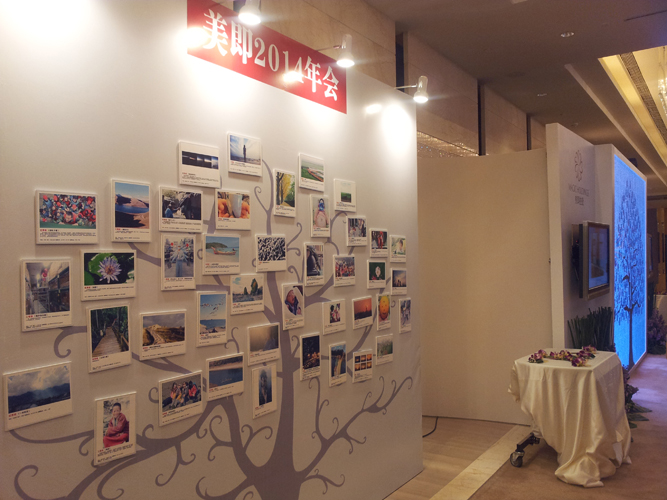
“I Have a Dream” – MG Mask 2014 Annual Party
Tuoyuan PR & Media Helps SANY Shine at Las Vegas Trade Show

Event Management and Creative Strategies for Corporate Award Ceremonies

Brand: The Core of Corporate Value

Sochi Winter Olympics Closing Ceremony: Using...

Four Key Points and Considerations for Corpo...

Key Points of Event Planning

Development and Application of Beam Moving H...
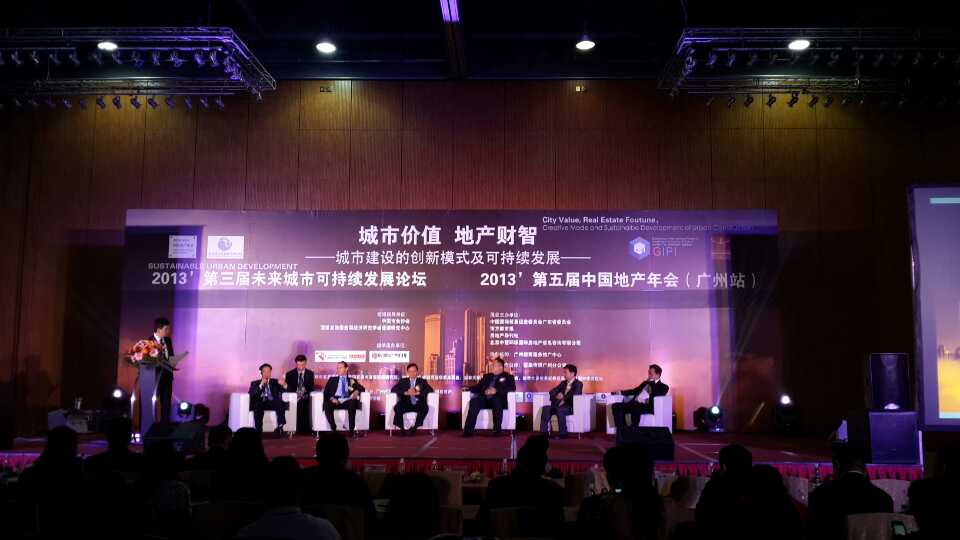
5th China Real Estate Annual Conference Held in Guangzhou in 2013
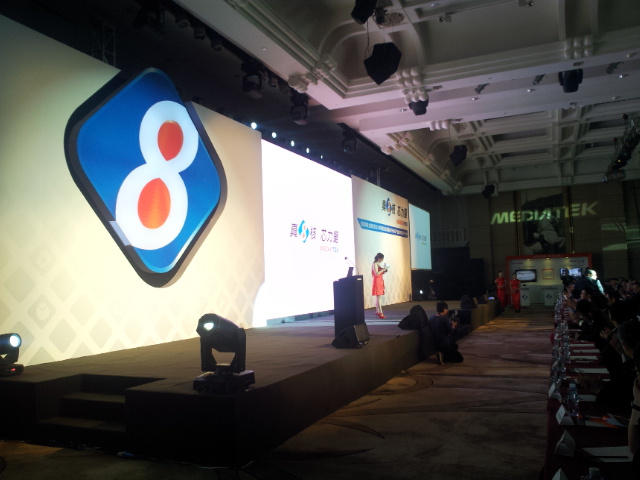
MediaTek True Octa-core Smartphone Processor Mainland Launch Event
TOWIN News