

Building an Event Brand Requires Time and Persistence
One cannot help but ask: why does China lack such powerful branded events? Is it because Chinese society and the Chinese people do not need them? Of course not.
In fact, building a good event brand requires a long period of accumulation. Not to mention events, many of China's time-honored brands and century-old shops, such as Quanjude, Ruifuxiang, Wangzhihe, Yangyuxing, and so on, are rich in cultural connotations. It is precisely this cultural depth that has allowed them to survive tenaciously and persistently.
Beyond the accumulation of time, building an event brand also requires a force of persistence. In China, whether it is enterprises or the government, the initial motivation for holding events often tends to be short-sighted and eager for quick success. Their vision is relatively narrow: the former focuses on short-term sensational effects and impressive appearances, but the objective result often gives a feeling of self-entertainment. The reasons for this are complex, even related to the assessment and appointment of officials. For example, when a leader is promoted and transferred to a new location, the first thing he thinks of might be building a landmark building or a road. In addition, he might organize an event, just to make some noise. Two or three years later, when this person is transferred away, it is difficult for the original event to continue; it is highly likely to be killed off, because the new leader is unwilling to continue what the predecessor left behind, as continuing the old would neither demonstrate his achievements nor showcase his abilities. However, festivals and events must still be held, otherwise he would bear even greater responsibility. In such a situation, his rhetoric might be: the previous festivals and events were not planned with rigorous argumentation, were not refined, were not professionally planned, and were not part of an overall plan, so they need to be improved, reformed, and started anew. This leads to a lack of continuity in government-run events: each new leader brings a new style, just like our urban planning, where previous plans were not comprehensive or perfect, so buildings are demolished and rebuilt, and rebuilt and demolished again. Under this habitual thinking, events cannot become a symbol of local culture, a tourism landmark, or a classic, inheritable, value-creating, attention-grabbing event brand that can become a tourism hotspot. What about entrepreneurs? They might think that brand building is intangible, spending money without hearing a sound. They need to know how to immediately boost sales by holding an event.
Furthermore, brand building must overcome a mindset of instant gratification. Otherwise, it is impossible to think about related issues from a long-term strategic planning perspective, impossible to concentrate on making events a government undertaking, and impossible to include them in the overall government budget. This is the crux of why events cannot be sustained over the long term and fail to form a brand.
One should not hold events for the sake of holding events; one must consider what can be left behind after the event ends and whether it can sustain development. Many events are one-off, and although they can create a sensational effect, their cost-effectiveness is very low. For example, flying through Tianmen Mountain: if you fly a plane through it today, the world will watch, but you must consider what such a huge investment brings you, and are you prepared to do it every year? If you keep doing it repeatedly, others will soon get bored, and no one will play with you anymore. Another example is Adili walking a tightrope at Nanyue. It might create a one-time sensation, but doing it a second time would lack novelty and certainly fail to attract attention, making it difficult to become a brand. Such events have some function in spreading awareness of a place's fame, but their effect on enhancing the local cultural brand and attracting investment for long-term development is not obvious, so they are not what we advocate.
Abroad, this situation basically does not exist. When a foreign local government wants to hold a branded festival event, it will first make a complete strategic plan for the event, and then hand it over to a professional event operation company. The social division of labor is relatively clear. In this way, even if a new leader takes office, the event has already been incorporated into the government's work system, and the government naturally has an obligation to promote it, because it can bring huge economic benefits and brand awareness to the local treasury. This is also why the Brazilian king personally attends and initiates the carnival ceremony every year during the Brazilian Carnival.
Understanding the current situation is not to give up eating for fear of choking or to belittle ourselves. With the strengthening of the global village concept and the increase in China's comprehensive national strength and national income, China's event operation industry is gradually improving and maturing. Those relatively well-executed branded events, such as the Hunan International Tourism Festival, Hainan Happy Festival, China-ASEAN Expo, Dalian Fashion Festival, Qingdao Beer Festival, and so on, have already formed a system and have been incorporated into the government's annual work plans. That is why they have been able to persist to this day and are most likely to become event brands with worldwide influence.
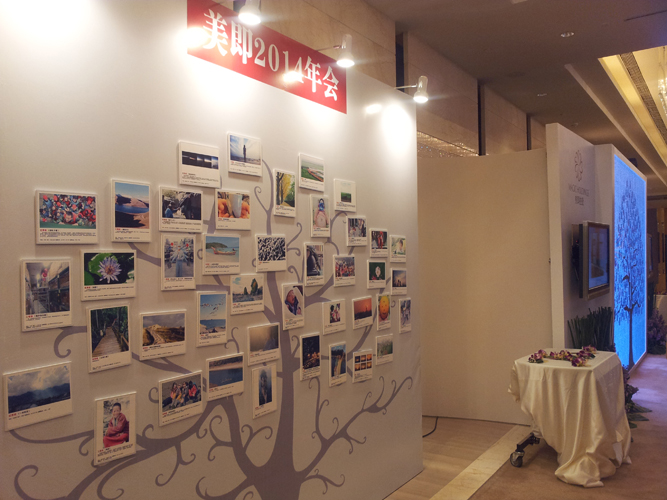
“I Have a Dream” – MG Mask 2014 Annual Party
Tuoyuan PR & Media Helps SANY Shine at Las Vegas Trade Show

Event Management and Creative Strategies for Corporate Award Ceremonies

Brand: The Core of Corporate Value

Sochi Winter Olympics Closing Ceremony: Using...

Four Key Points and Considerations for Corpo...

Key Points of Event Planning

Development and Application of Beam Moving H...
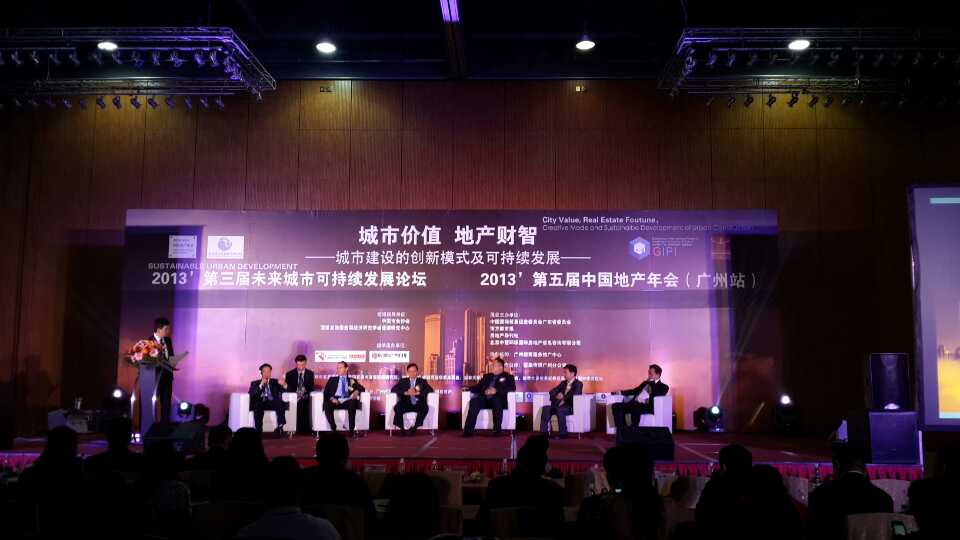
5th China Real Estate Annual Conference Held in Guangzhou in 2013
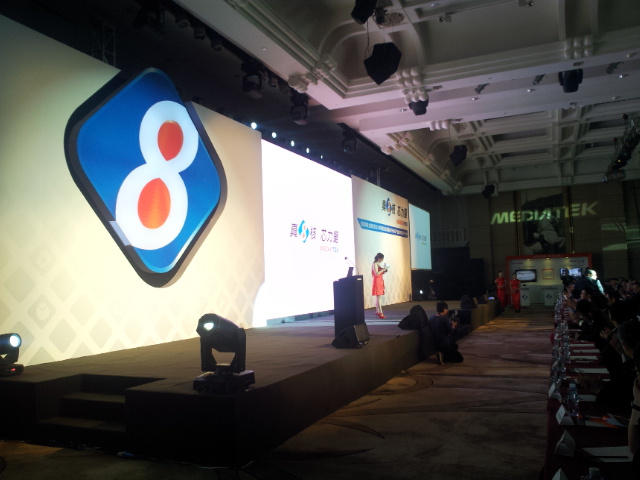
MediaTek True Octa-core Smartphone Processor Mainland Launch Event
TOWIN News