

Brand: The Core of Corporate Value
In business, the term 'brand' is unavoidable. To achieve high added value, a brand is essential. From its inception, a company faces the challenge of building a brand, and as it grows, it must maintain brand vitality and sustainable development. However, not every enterprise fully understands or executes branding, and there is no single correct answer.
When discussing brands today, we often look to global, century-old international brands for experience and practices. Few Chinese local brands are regarded as benchmarks. On one hand, the influence of Chinese brands on the international stage is not yet strong; on the other hand, how should we truly understand branding? Tuoyuan PR & Media shares some perspectives as follows:
1. Whose brand is it?
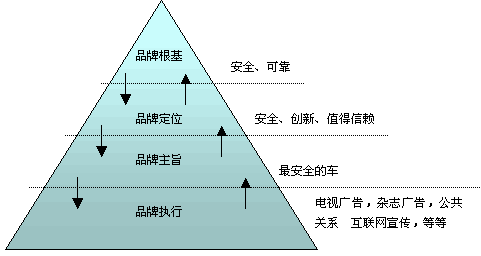
In many companies, bosses believe the brand belongs to them, but in consumers' minds, it may not be the core driving force that truly attracts them. So, 'whose brand is it?' requires companies to think from the consumer's perspective. In fact, the brand always belongs to consumers, because brands must not only pursue market share but, more importantly, consumer share, which is won by capturing minds, not just shelf space. Tuoyuan PR & Media advises companies to gain a deep understanding of their brand, consider its positioning, and find its place in consumers' minds.
2. How important is brand?
Brand brings brand premium, i.e., added value. Woodruff, former chairman of Coca-Cola, famously said: 'If my factory were destroyed by fire, or if a global financial crisis struck, as long as the Coca-Cola brand remains, I would rise again the next day.' Luxury brands like Chanel, Prada, and LV offer products of similar quality to high-end goods, yet their prices are significantly higher. That is the charm of brand, and you gradually realize the immense added value it brings. To enhance your brand, contact Tuoyuan PR & Media; we will tailor a brand promotion plan for your company.
3. Brand battle is not a product battle, but a battle for consumer perception.
It's not about how good the product is, but what consumers perceive your product to be. The impression in consumers' minds is as important as the facts, so consumer perception is reality. Therefore, a brand must provide sufficient perceivable consumer benefits, focusing on consumer psychology; emotional value perception and rational perception are equally important. Hence, Tuoyuan PR & Media adopts a strategy that combines rational and emotional appeals: initially using rational appeals to introduce product features and build awareness, then emotional appeals to win over consumers and drive purchases.
4. Brand is a lifestyle.
For many consumers, a brand is a symbol, trend, and culture tied to specific scenarios. For example, a Harley-Davidson motorcycle can sell for as much as a car because it captures a consumer group's pursuit of a symbol. Research on Harley-Davidson buyers shows that many purchase the bike to showcase their heroic persona. Many brands gain popularity by creating trends; branding is about leading a lifestyle. When designing a brand promotion event, Tuoyuan PR & Media incorporates the lifestyle traits of modern urbanites to better resonate with their tastes and enhance the brand.
5. Brand awareness is not brand reputation; a good brand balances awareness, loyalty, and reputation.
Advertising can build awareness, and event marketing can make a brand famous overnight, but awareness is just the beginning; brand awareness and brand affinity are different. A simple formula: 'High awareness + low reputation = notorious.' Therefore, companies should cherish every feather of their brand and value every piece of content they put out, avoiding shallow stunts that neglect deep brand communication and building. Brands can easily become famous overnight via various platforms, but sustainable development requires long-term effort. Brands must continuously seek new drivers for sustainable growth and manage scientifically. Tuoyuan PR & Media advises companies to enhance awareness while ensuring simultaneous improvement in loyalty and reputation, without neglecting any aspect.
6. In the new media environment, brand communication should emphasize integration.
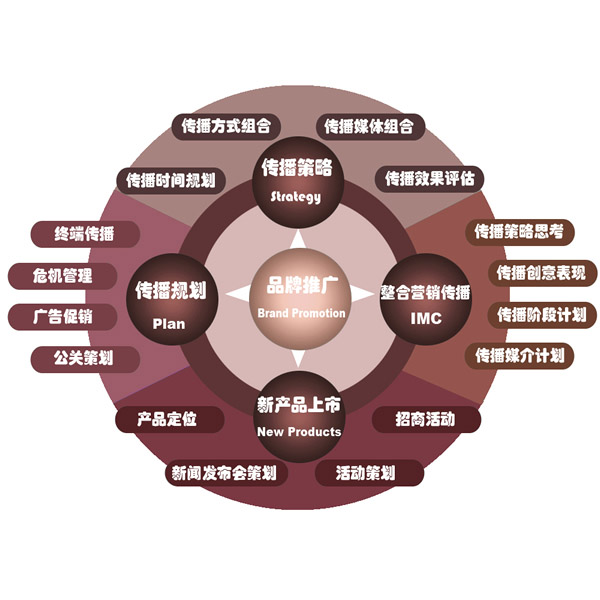
Today, brand building faces a major challenge: the dramatic changes in communication channels. The rise of digital platforms has rapidly altered how consumers access information, changed brand communication paths, and transformed audience lifestyles. Due to shifts in time and space, a single communication strategy can no longer cover target consumers. Brands need an integrated communication strategy that follows consumer behavior trajectories. Brand communication must be visual, auditory, even olfactory, and mobile. Brand touchpoints require integrated marketing through TV, newspapers, magazines, radio, internet, mobile internet, experiences, promotions, communities, roadshows, word-of-mouth, etc., with online and offline coordination. Tuoyuan PR & Media has deep expertise in brand communication planning, combining corporate brand characteristics to devise effective media mixes across major outlets, facilitating multi-channel resource dissemination.
The future trend is a brand-centric world. Many companies increasingly value branding, which presents a great opportunity for growth. Understanding the meaning of brand is not difficult; the challenge lies in execution, adhering to the essence and core values of the brand, and combining your company's unique brand characteristics to craft effective brand promotion plans.

“I Have a Dream” – MG Mask 2014 Annual Party
Tuoyuan PR & Media Helps SANY Shine at Las Vegas Trade Show

Event Management and Creative Strategies for Corporate Award Ceremonies

Brand: The Core of Corporate Value

Sochi Winter Olympics Closing Ceremony: Using...

Four Key Points and Considerations for Corpo...

Key Points of Event Planning

Development and Application of Beam Moving H...
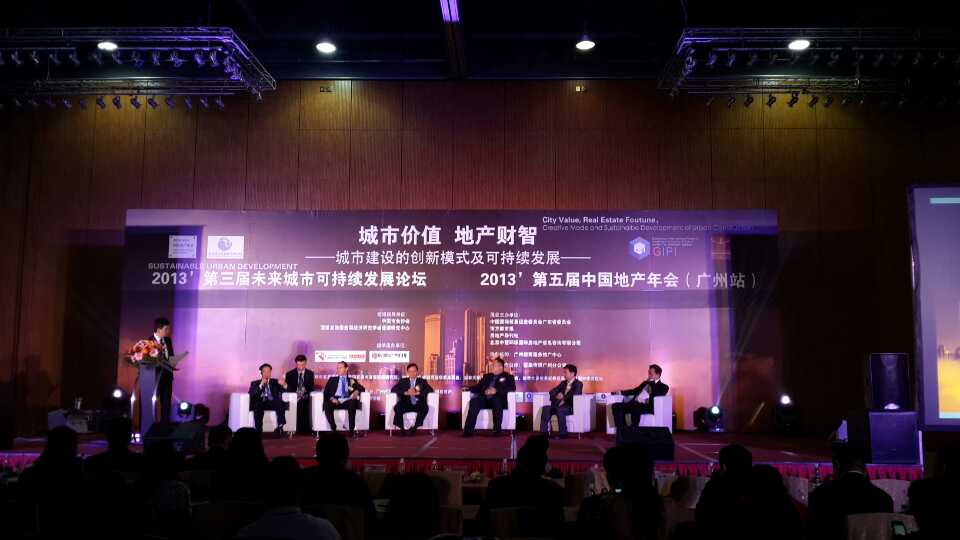
5th China Real Estate Annual Conference Held in Guangzhou in 2013
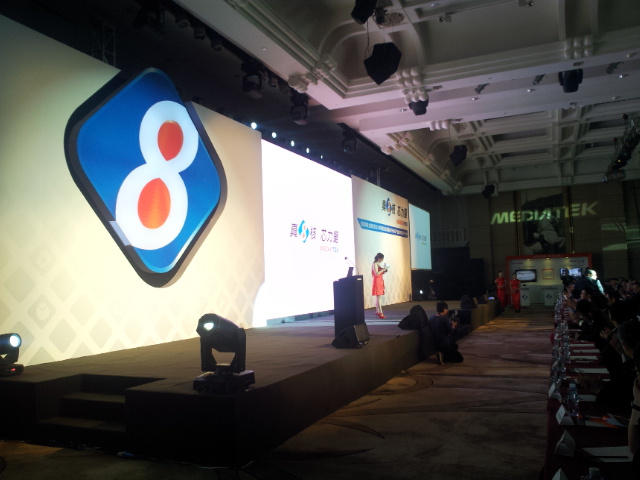
MediaTek True Octa-core Smartphone Processor Mainland Launch Event
TOWIN News