
Key Points for Festival Event Planning
Festival events are a vital part of folk culture. Each festival showcases the splendid culture, long history, and unique character of a region or ethnic group. Festivals are carriers of cultural phenomena; without cultural connotation, they cease to exist. From China's Spring Festival, Western Christmas, and worldwide carnivals, to Tunisia's Desert Festival and China's Harbin Ice and Snow Festival, all are imbued with profound cultural meaning. Festivals are a comprehensive expression of ethnic culture, folk culture, and commercial culture.
The purpose of festival event planning is to raise visibility and can also serve as a tourism product element, attracting domestic and international business visitors for inspections, trade talks, and sightseeing. However, from a sustainable development perspective, the roots and soul of these events must be carefully considered.
Traditional festival event planning should maintain authenticity and solemnity. As traditional cultural events, whether ethnic, folk, or religious, they must preserve their authenticity and solemnity. Only then can they be recognized and welcomed by locals and tourists alike, take root among the people, remain attractive, and endure.
Festival event planning should emphasize uniqueness. For events developed based on local products and conditions, their uniqueness and ability to generate tourism appeal must be considered. One should not simply hold events for whatever is available, nor copy what others do; otherwise, festivals will become similar in content, form, and products, leading to severe homogenization and eventual failure.
Festival event planning should enhance cultural significance. The key lies in creativity. Cultural significance should not be simplistically understood as "entertainment performances," but rather that tourists, through participation, gain cultural perception, knowledge, and interest. For out-of-town and international visitors, cultural differences should be felt; for locals, cultural awareness and pride should be strengthened. Festival planning is not purely political; it cannot lack entertainment. Even political festivals should create a more peaceful and harmonious atmosphere, increase public participation, and allow participants to grasp the political intent through involvement.
Festival event planning should consider timing. Festivals should add brilliance to tourism and, more importantly, provide timely support. Whether transforming traditional festivals into tourism events or creating new ones based on local conditions, sustainability must be maintained. Some festivals cannot have their time and location arbitrarily chosen. In practice, most festivals are currently concentrated in the best tourism seasons, making local tourism more colorful and peak seasons even busier. How to use festivals to smooth out seasonal tourism differences is a more worthwhile question. Especially when creating new festivals and cultural events less constrained by climate, they should be scheduled during off-peak and shoulder seasons whenever conditions permit, as this is more meaningful for regional tourism development.
Festival event planning should focus on industrial value. For tourism development, festivals are often treated as attractions or merely as PR activities to raise visibility, which is insufficient. They should be designed and managed with a long-term perspective. The more successful a festival, the less it should rely entirely on government investment or use ticket sales as the primary income source. The Weifang Kite Festival in Shandong, with a long history, turned a small town into a major domestic kite exporter, closely linking kite art, technology, and culture with kite production and trade. Qingdao's Beer Festival is a typical product-based tourism festival, combining beer tasting, drinking contests, beer trading, beer culture, beer revelry, and related shopping and dining, making it a highlight of the city's tourism.
Modern festival events also arise from the need to develop both material and spiritual civilization in China's new era, to promote modernization, and to further expand reform and opening-up. They are products of the times, of socialist modernization, and of reform and opening-up. Historical and current development requires festival events, and this phenomenon will advance with the times. As the era progresses and reform deepens, the number of festivals will inevitably grow, their scale will expand, and their effects will improve.
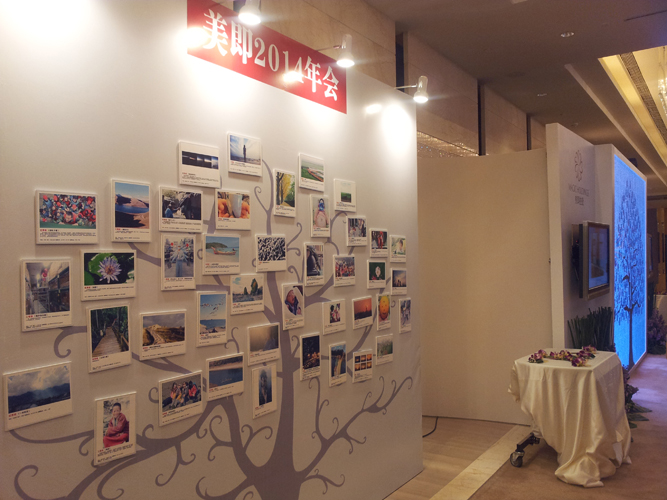
“I Have a Dream” – MG Mask 2014 Annual Party
Tuoyuan PR & Media Helps SANY Shine at Las Vegas Trade Show
Event Management and Creative Strategies for Corporate Award Ceremonies
Brand: The Core of Corporate Value
Sochi Winter Olympics Closing Ceremony: Using...

Four Key Points and Considerations for Corpo...
Key Points of Event Planning

Development and Application of Beam Moving H...
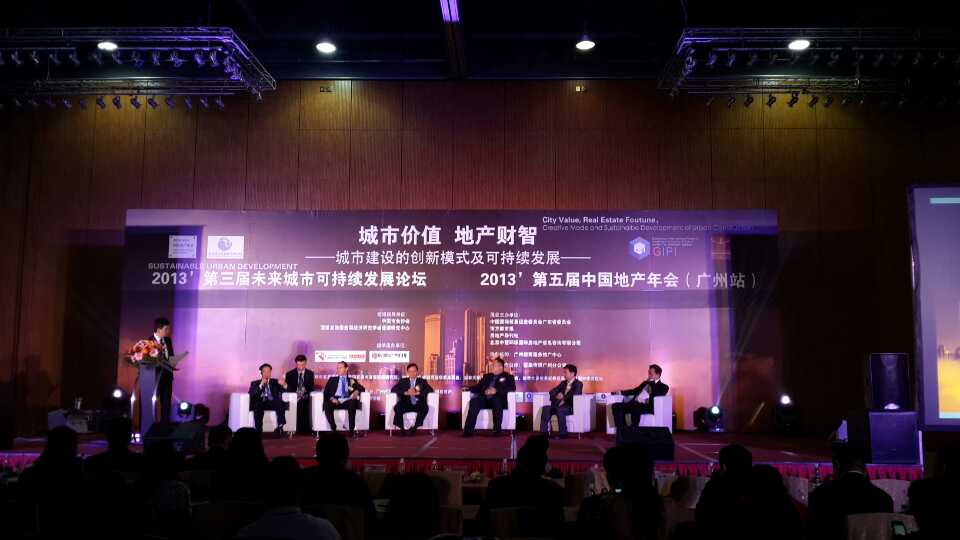
5th China Real Estate Annual Conference Held in Guangzhou in 2013
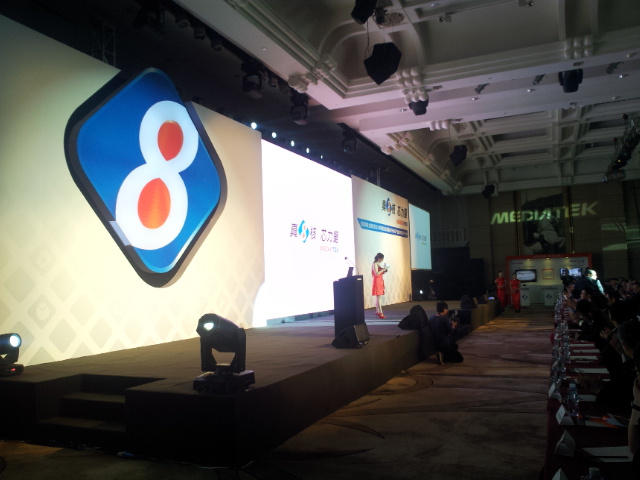
MediaTek True Octa-core Smartphone Processor Mainland Launch Event
TOWIN News