

How to Conduct Effective Event Research: Know Yourself and Your Client
To execute an event, research is the first and foremost step. As the saying goes, "Know yourself and know your enemy, and you will never be defeated." Only through meticulous and comprehensive research can we avoid the disconnect between planning and execution.
Generally speaking, research involves collecting and organizing information, starting with the discovery and analysis of local resources. Take the Guangdong Tourism Festival as an example. Since it is a tourism festival, the first step is to understand Guangdong's tourist attractions and historical and cultural characteristics. Lingnan culture is the representative of Guangdong, and communication and exchange have always been the lifeblood of Lingnan culture. From the ancient Maritime Silk Road to the modern special economic zones, Lingnan culture has never ceased its dialogue and exchange. Cantonese people, Hakka sentiments, Chaoshan charm, and South China Sea breeze are all part of Guangdong's history and cultural features. In terms of natural landscapes, there are Danxia landforms, marine resources, the world intangible cultural heritage of Kaiping Diaolou, and the Yongding Hakka earthen buildings. These contents are rich and complex, making it difficult to present them all in a single evening gala. Even if presented in a medley format, it would lack impact.
Just when the planning hit a deadlock, an opportunity emerged: the salvage of the Nanhai No. 1 shipwreck became a focal point of public attention. We seized this event and quickly developed the program theme "Legend of the Blue Ship," pioneering in China by giving the gala a narrative structure akin to a musical epic.
The second issue in planning is to collect and study past events and similar activities. This is essential homework to ensure that our planning is not only distinct from others but also superior. Next, we need to research the tourist market, because the market is consumer-oriented. No matter how good the event is, if the target participants are wrong, the event will not be well received. Finally, we must analyze and summarize client needs. Based on this, we then perform a reduction process, filtering the information to determine which elements can be turned into highlights and which have been done before and should be excluded. Only after synthesizing these elements can we better control the overall theme and program format. Remember, merely catering to the client's needs is far from sufficient and can be dangerous, as it may lead them to think you lack substance and expertise. Your planning must make their eyes light up.
Preliminary research is very important, but even more crucial is how to communicate with the client. Communication with the client requires skill, as they are our financial backers.
To create a successful event, communication between both parties must be direct and clear, without beating around the bush or assuming what the other is thinking. Information symmetry and mutual understanding between the client and the planner are always key to event success. As the event planning party, we must communicate not only with the leadership and decision-makers but also fully with the execution liaison personnel. As the event organizer, it is our duty to articulate the requirements as clearly and understandably as possible.
Simply put, you need to tell me what you want, and I will tell you what I can do. Through continuous adjustment, we will align our goals.
For example, in the bidding plan for the opening ceremony of the 26th Summer Universiade in Shenzhen, the organizer's requirements were very clear. First, the style of the opening ceremony: it must not be the same as the 2008 Beijing Olympics, and must not use the same elements. Shenzhen is a modern and open city without deep cultural history, so it should not be burdened with five thousand years of culture. Second, the theme slogan of the Universiade is "Start Here," signifying that Shenzhen is future-oriented, and the university student demographic is different from that of the Olympics. Third, there were clear requirements for the venue: the stadium's load-bearing capacity was insufficient, so the use of wire rigging would be limited; the ceiling had a low melting point, so fireworks were absolutely prohibited. These requirements allowed bidders to understand everything at a glance.
However, many clients may not think this meticulously. As a good event organizer, communication with the planning company is essential. The organizer should not simply hire a planning company and leave everything to them, expecting them to guess your needs, as this will lead to many detours, insufficient time and budget. Since you are familiar with the local culture, history, and venue, you must clearly convey your requirements to the planner.
The worst case is when the organizer hasn't even clarified their own needs. They only know they want to hold an event, but they don't know what it should be like. What to do in this situation?
The planning party should, based on collecting the organizer's local resources and without changing the organizer's basic needs, engage in equal communication to jointly refine the core value and appeal of the event. For instance, during the 2007 Guangdong Tourism Festival, to enhance Guangdong's tourism brand, we suggested that the client not hold a medley-style cultural gala but instead use an epic performance narrative to string together the entire show, making it more distinctive and beneficial for brand and visibility enhancement. As it turned out, "Legend of the Blue Ship" achieved great success.
Of course, for different client needs, we propose different suggestions to match their requirements. For example, for the Hainan Joy Festival, the client had no specific requirements on the number of participants or format but emphasized that the event should be a collective carnival. Faced with such a request, we focused on expanding the scale of the event.
In summary, research is a process of multi-faceted verification. As event planners, we should not be constrained by superficial aspects. If one person says an event cannot be done, we should not easily give up. Instead, we should adopt a positive attitude and verify from multiple angles, just as Xu Sanduo in the TV series "Soldiers' Sortie" says, "Never abandon, never give up." Because you must know that even clients have different perspectives and visions.
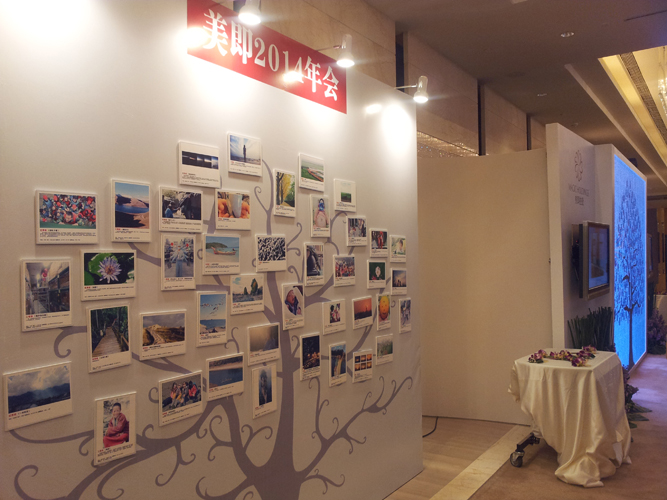
“I Have a Dream” – MG Mask 2014 Annual Party

Tuoyuan PR & Media Helps SANY Shine at Las Vegas Trade Show
Event Management and Creative Strategies for Corporate Award Ceremonies

Brand: The Core of Corporate Value

Sochi Winter Olympics Closing Ceremony: Using...

Four Key Points and Considerations for Corpo...

Key Points of Event Planning

Development and Application of Beam Moving H...
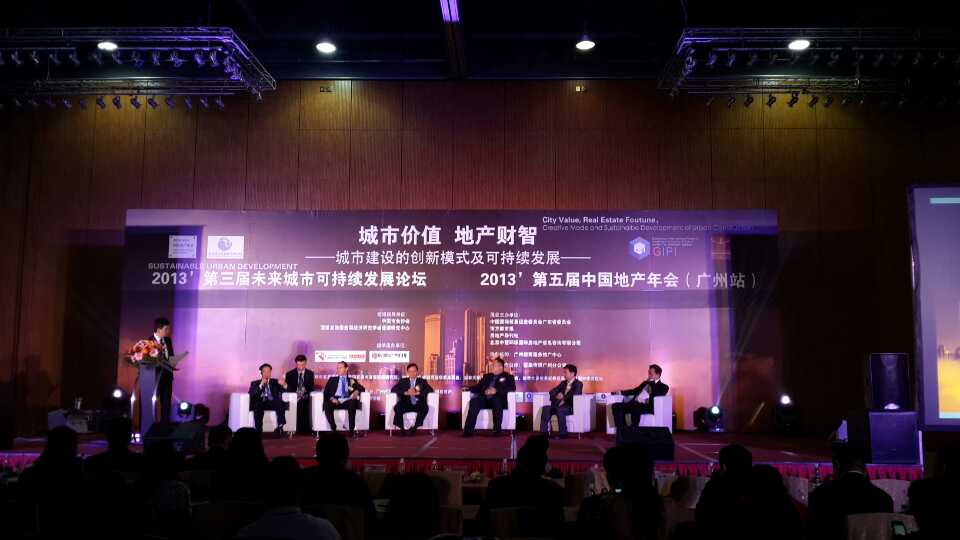
5th China Real Estate Annual Conference Held in Guangzhou in 2013
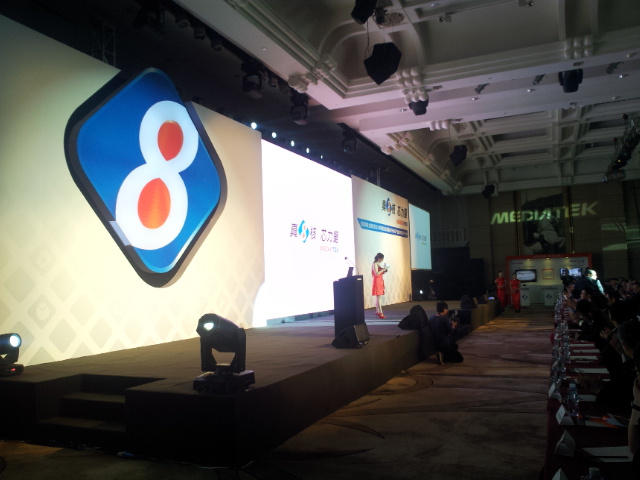
MediaTek True Octa-core Smartphone Processor Mainland Launch Event
TOWIN News