

Organization and Management Practices for Large-Scale Media Events
With the flourishing cultural market and diverse marketing methods, large-scale events have become important tools for enterprises and media to expand brand influence, increase revenue, and enhance competitiveness. However, many organizers, due to lack of experience, often face physical and mental stress as well as budget overruns. As the chief dispatcher of the competition, the author participated in the planning and organization of the first Guizhou Fashion Culture Festival, responsible for logistics support and on-site coordination. The following discusses the organization and management methods of large-scale media events based on practical experience.
I. Preliminary Planning
Large-scale events are purposeful, planned, and step-by-step social coordination activities, characterized by clear objectives, meticulous planning, broad social dissemination, rigorous execution, and economic and social benefits. Thorough preliminary planning is the key to event success. Before holding the Fashion Culture Festival, we repeatedly reviewed the event plan, from fundraising to the number of thumbtacks for stage decoration, and finally established a comprehensive plan. Lasting 10 days, with over a hundred performances and tens of thousands of spectators, the event was successfully held without any incidents, thanks to adequate preparation. Key considerations at the planning stage include: 1. Propose the event concept, clarifying its nature, purpose, and tasks; 2. Initially plan the content, scale, location, and number of participants; 3. Decide on the layout based on venue conditions; 4. Determine the participants and selection methods; 5. Consider the number and sources of auxiliary staff; 6. Make a detailed budget; 7. After review and modification, formulate the final plan and proposal, including nature, tasks, scale, dates, content, schedule, venue, logistics, host, budget, transportation, and accommodation.
II. Event Preparation
Large-scale events involve many aspects, making preparation challenging. The core of the Fashion Culture Festival consisted of 16 fashion competitions and a gala evening. Each competition had different requirements for venues, props, lighting, and sound, such as rock climbing, tennis, and bicycle trials, which required professional venues. We spent nearly a month contacting venues, preparing props, hiring ushers, and creating backdrops. Key preparation tasks include:
(1) Handling approval procedures. Media events often overlook approval issues. When we first organized the fashion competitions, we did not seek approval and were questioned by relevant authorities, which was only resolved through crisis management by the editor-in-chief. According to the Administrative Licensing Law, approvals must be obtained from cultural, sports, public security, fire, and sanitation departments, requiring site plans and security plans. Before the event, consult multiple parties, and for special content, obtain prior consent.
(2) Contacting venues, determining partners, and signing contracts. Compare multiple options and select professional advertising, stage construction, lighting and sound, and celebration ceremony companies, signing contracts to define rights and responsibilities.
(3) Preparing event materials. Establish a preparation team, analyze each step, register materials, and assign personnel for rental and purchase. Special items such as trophies should be custom-made in advance and carefully inspected to avoid damage or name errors. At the awards gala, a trophy was nearly damaged, but a backup was fortunately available.
(4) Drafting the implementation plan. This includes execution plans, staffing plans, schedules, budgets, material management, communication, and contingency plans. For this festival, each of the 16 projects had a designated person in charge, and walkie-talkies were used for dedicated communication.
III. Event Implementation
The implementation phase is critical to event success, and procedural management is recommended. On-site execution management should note: 1. Inadequate preparation can lead to shortages, such as running out of pens during the cosplay competition without timely replenishment; 2. Unclear division of labor can cause confusion, such as no security guiding vehicles at the entrance; 3. Lack of experience in handling emergencies, such as a top being taken by a participant, leading to insufficient props for the finals.
On-site management uses role division and a project manager system. Management tasks are divided based on participant roles: organizing units, venue units, performers/hosts/contestants, stage/lighting/sound, guests/audience, and media reporters. Each role group has a designated person responsible for supervising attendance, information communication, problem-solving, and progress reporting. The project manager system: each of the 16 sub-projects has a responsible person overseeing the schedule, contestants, venue, judges, accommodation, and medical care. On-site management is coordinated by one person, with major issues resolved by the project director and chief dispatcher.
IV. Event Wrap-Up
Post-event wrap-up is often neglected, leading to loss of items. Arrange wrap-up work before the event and clarify responsibilities. The Fashion Culture Festival set up a wrap-up team to quickly disperse crowds and clean the site, leaving a good impression. The wrap-up procedures include: 1. Crowd dispersal (transportation, accommodation); 2. Site processing (dismantling, cleaning); 3. Dismissal of logistics staff; 4. Cost settlement; 5. Writing an event summary (achievement of objectives, process, achievements and lessons, improvements, and financial settlement).
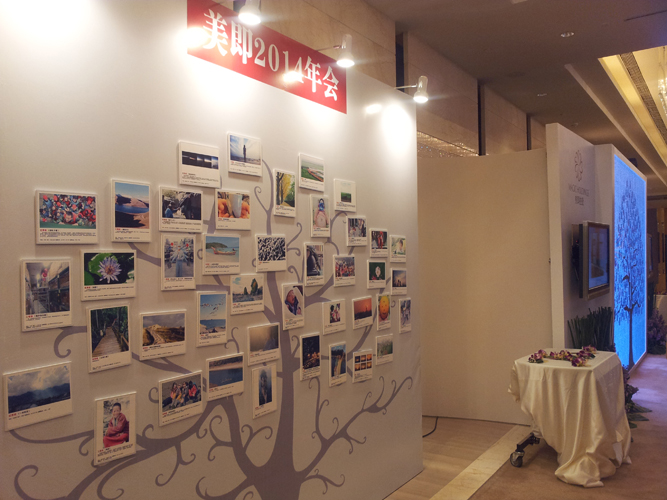
“I Have a Dream” – MG Mask 2014 Annual Party
Tuoyuan PR & Media Helps SANY Shine at Las Vegas Trade Show
Event Management and Creative Strategies for Corporate Award Ceremonies

Brand: The Core of Corporate Value

Sochi Winter Olympics Closing Ceremony: Using...

Four Key Points and Considerations for Corpo...

Key Points of Event Planning

Development and Application of Beam Moving H...
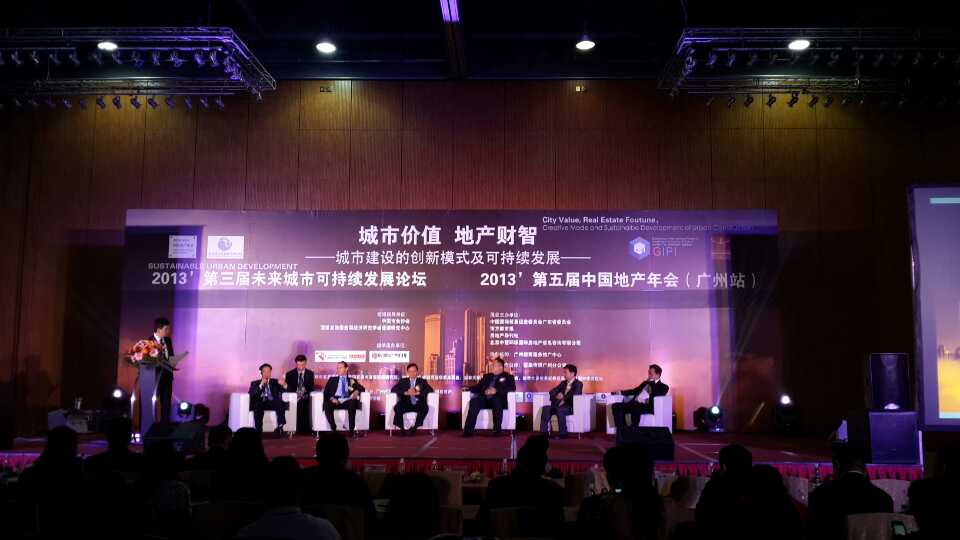
5th China Real Estate Annual Conference Held in Guangzhou in 2013
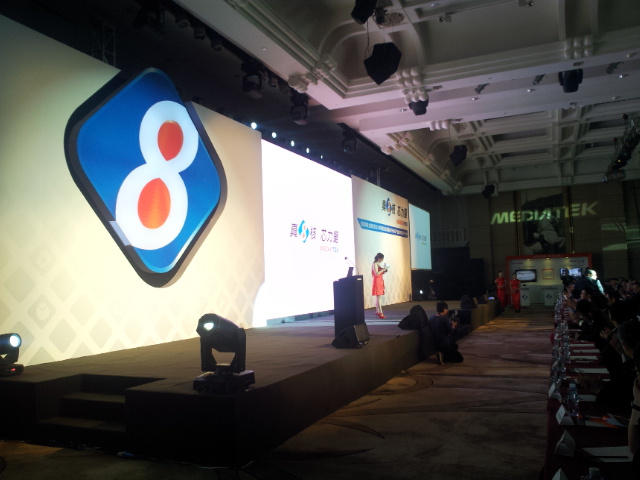
MediaTek True Octa-core Smartphone Processor Mainland Launch Event
TOWIN News