
Event Advertising and Promotion Strategies: Momentum, Channels, and Timing
The promotion of an event can generally be divided into three stages: pre-event hype, during-event publicity, and post-event impact coverage. The execution period of a regular event itself is not too long. During the event, it may attract some routine media coverage due to its theme, influence, and scale. However, if left to chance without management and guidance, such coverage tends to be superficial, relegated to general news—a brief segment on television or a corner of a newspaper page. This kind of publicity is fleeting and ephemeral.
Therefore, to achieve the desired effect of an event, promotion is essential. Event promotion is essentially about building momentum for the event. As the saying goes, 'rolling a round boulder down a thousand-ren mountain'—when the moment is right, a slight push sends the boulder crashing down with unstoppable force. Thus, a skilled strategist seeks momentum rather than relying on individuals, choosing the right people and leveraging the situation. Outstanding military leaders know how to create and use momentum: with 400,000 troops, they claim a million, marching forward in a mighty procession that terrifies the enemy into surrender without a fight. A show of force can be more powerful than an army. The same applies to event marketing: only by building momentum can an event gain significant influence, and with that influence, the enterprise's event can occupy free space in mass media.
Based on the enterprise's positioning of the event's influence, various promotional channels must be coordinated. Different positioning involves different channels. If the enterprise wants to concentrate efforts on building influence within a region first, local print media and television/radio are crucial, and their discourse power must be leveraged. In principle, the key to communication is speed and effectiveness. Of course, the fastest way to spread is through online media, whose pervasive power will become even more evident in the future.
The main forms of event promotion are as follows, often used in combination during promotional campaigns: 1. Press conferences: The event primarily establishes information interaction with the media through press releases. A spokesperson system should also be established. 2. Special features: Event specials are compilations of event information. This can be done by launching an official event website, setting up special sections on major portals, or publishing event newsletters. 3. Roadshows: Roadshows are also an important promotional form. The Super Girl vote-gathering concerts are a good example, not only achieving promotional effects but also facilitating fan interaction. 4. Advertising: Every event needs appropriate advertising to expand its influence and let more people know about it. Advertising includes TV ads, outdoor ads, direct mail (DM), print materials, and print media ads. The successful application of event promotion strategies depends on the scale of public participation.
One point to emphasize here is that enterprises should break free from conventional advertising constraints and commit to advertising around the event. In this regard, Mengniu is definitely a role model worth learning from. During its sponsorship of 'Super Girl,' Mengniu was not satisfied with simple naming rights; it also spent heavily on various DM materials, print materials, and media ads related to the event. After successfully sponsoring China's space program, it also allocated a large portion of its advertising budget to promoting 'space quality.' During events like the lunar exploration project and Tiangong-1, intensive advertising directly enhanced the brand's image in consumers' minds.
Advertising around the event complements the event itself, expanding from the 'point' of the event to the 'surface' of advertising, combining point and surface to produce a 1+1>2 effect. The organic coordination of advertising and the event accumulates more attention for the event and also yields the best promotional results for the ads.
One notable point is that the timing of intensified event promotion should be appropriate, conforming to the public's temporal psychological patterns. Generally, special events promoting corporate image, brand image, or product image should be scheduled during festivals, holidays, or peak consumption periods for the product. During festivals and holidays, the public has leisure time to participate and a strong desire for entertainment and relaxation, so more people are likely to attend. Holding related events during a product's consumption peak, such as a summer beer festival, can further attract public consumption desire and expand the consumer base.
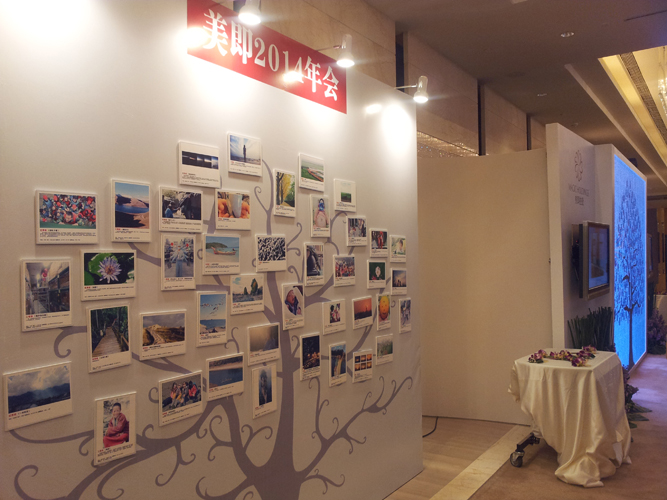
“I Have a Dream” – MG Mask 2014 Annual Party
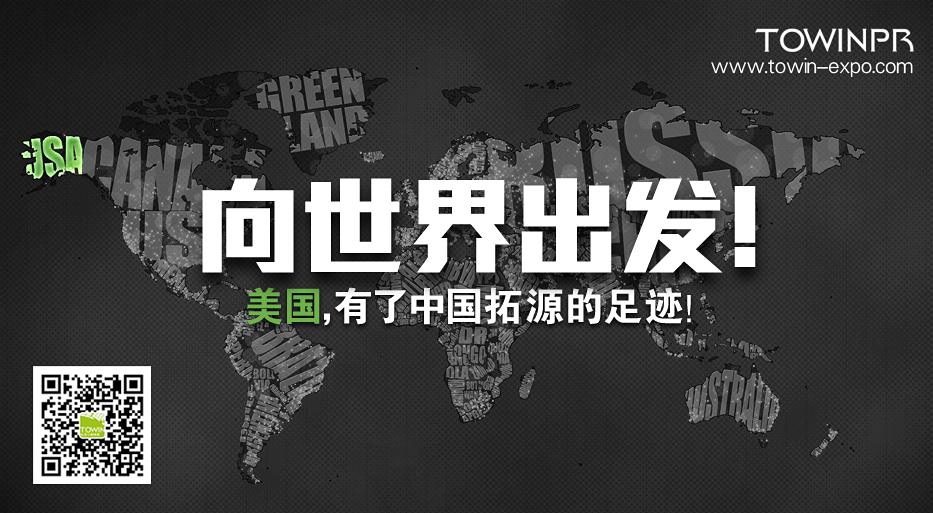
Tuoyuan PR & Media Helps SANY Shine at Las Vegas Trade Show
Event Management and Creative Strategies for Corporate Award Ceremonies
Brand: The Core of Corporate Value
Sochi Winter Olympics Closing Ceremony: Using...
Four Key Points and Considerations for Corpo...
Key Points of Event Planning
Development and Application of Beam Moving H...
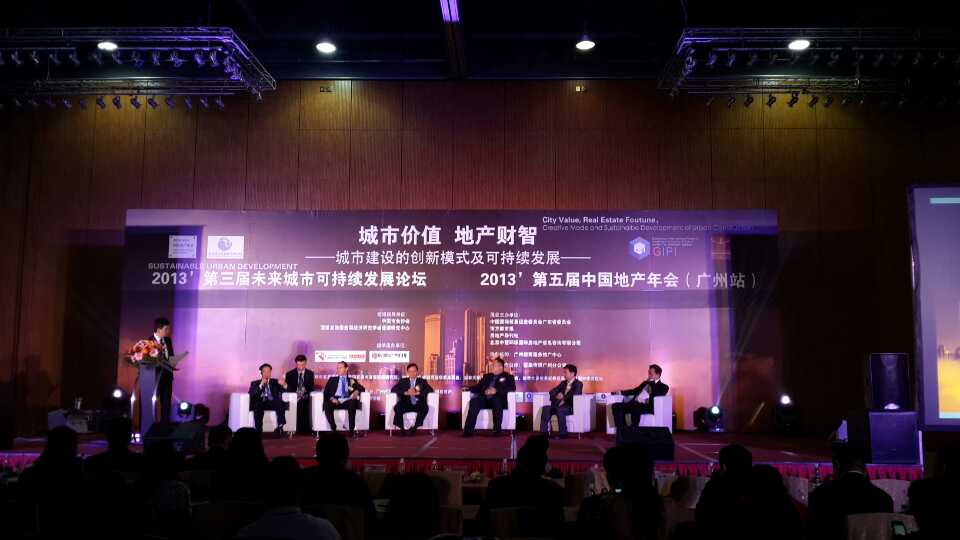
5th China Real Estate Annual Conference Held in Guangzhou in 2013
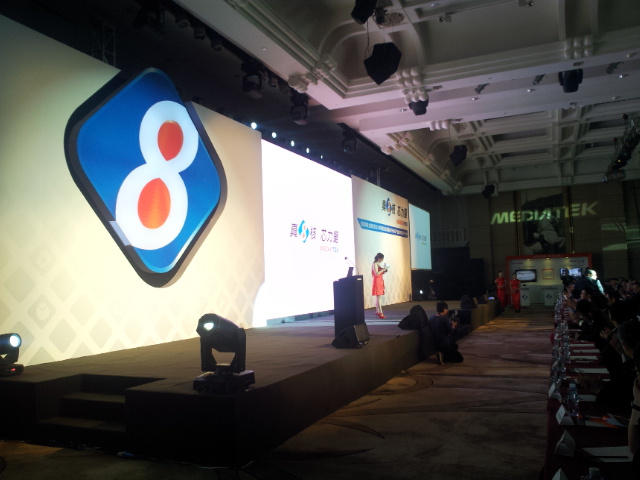
MediaTek True Octa-core Smartphone Processor Mainland Launch Event
TOWIN News