
How to Properly Configure Your Event Team
For an event company, a project team typically includes event managers, planners, directors, production staff, technical staff, publicity personnel, and administrative/legal staff. These six categories have distinct roles and responsibilities, but they are interconnected and logically related. If any one aspect is incomplete, the whole cannot function properly. Therefore, systematic planning for these six categories is essential, and managers need to understand the characteristics of each role and the strengths of team members.
Take planning as an example: planning requires strong professional skills and methods. Planners' strengths and interests may vary, corresponding to the wide scope and diverse categories of the event industry. Some excel in commercial promotion and talent show planning, others focus on festival events at tourist attractions, some are skilled in charity and public welfare event planning, and others prefer sports event planning. Team managers should regroup and reassign personnel based on different projects and needs, allowing each role to fully leverage their strengths and maximize advantages.
Key points for building an efficient project team and volunteer corps:
- Keep the team size appropriate and manageable; the most efficient teams have 2 to 25 members, most no more than 10.
- Select appropriate personnel to form the team, with a reasonable mix of knowledge structures.
- Team leaders should receive professional training or have professional experience, even possessing personal charisma and appeal.
- The entire team needs systematic professional training to better accomplish tasks.
- Tasks are clearly defined among team members and organizational members, with mutual trust and support.
- Parallel and vertical communication is needed between staff and the organization.
- Empower team members and volunteers with necessary authority and real responsibility.
- Create a happy, relaxed, and humorous atmosphere in the work environment.
- Fully recognize the contributions of team members and volunteers.
- Create opportunities for team members and volunteers to celebrate their successes.
An excellent event project manager must possess the following abilities and skills:
- Build and utilize teams, demonstrating leadership.
- Successfully identify tasks and complete them on time with quality and quantity.
- Integrate project plans with event strategy, marketing, and artistic content plans.
- Conduct risk management according to industry standards.
- Effectively use financial controls, metrics, and reports.
- Develop event supply plans and manage contracts.
- Possess communication skills and verbal expression abilities.
- Liaise and manage numerous external stakeholders, including public and private organizations.
- Write management progress reports for senior management and clients, including project evaluations and summaries.
- Possess knowledge of the event and similar events in the same field.
In addition to combining personnel strengths, another combination method can increase a company's soft power: selective professional outsourcing. A professional event operations company is not only an expert in event execution but also a master of resource integration. As a company grows, it cannot do everything itself; it should selectively subcontract professional work to more specialized teams based on gaps. For example, purchasing a set of high-cost lighting and sound equipment may be very expensive, and it might only be needed for a few events a year, so there is no need to buy the entire set. Many professional equipment companies in the market not only provide sound equipment but also supply professional technical operators to assist with event execution, ensuring on-site effects and even enhancing the event. Integrate these professional teams into your team, and through long-term cooperation, make them part of the team. From another perspective, investing one million in equipment that may be used only once a year, while outsourcing to a professional equipment company allows for ten uses a year, aligns with bulk purchasing principles, saves budget costs, and resolves staff insurance issues—a win-win team management strategy.
Of course, selective outsourcing does not mean all equipment is suitable for rental or outsourcing. For example, distinctive costumes and complex stage props in themed events need to be custom-made according to event theme requirements to achieve the desired performance effect.
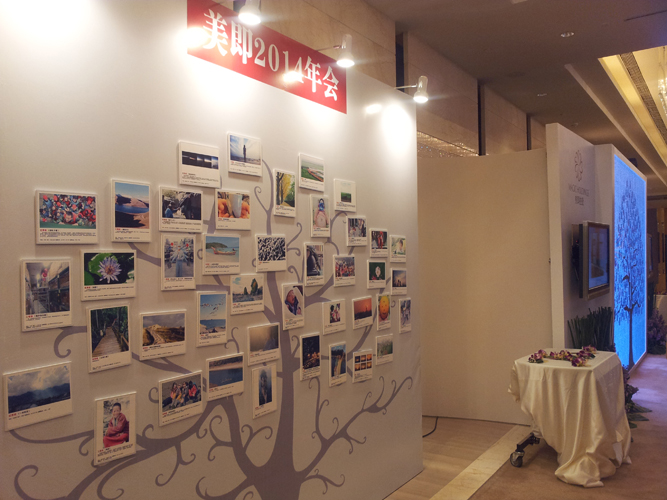
“I Have a Dream” – MG Mask 2014 Annual Party
Tuoyuan PR & Media Helps SANY Shine at Las Vegas Trade Show
Event Management and Creative Strategies for Corporate Award Ceremonies
Brand: The Core of Corporate Value
Sochi Winter Olympics Closing Ceremony: Using...

Four Key Points and Considerations for Corpo...
Key Points of Event Planning
Development and Application of Beam Moving H...
5th China Real Estate Annual Conference Held in Guangzhou in 2013
MediaTek True Octa-core Smartphone Processor Mainland Launch Event
TOWIN News