
Functions and Hot Issues of Festival Activities
Festival activities refer to large-scale periodic events held by a region or city, themed around its unique resources, including natural and cultural assets. The rise of any festival is not accidental; it is a product of historical development, grounded in material foundations and cultural origins. Five thousand years of history have nurtured China's diverse and colorful traditional festivals, and with continuous social development, modern festivals with contemporary characteristics have emerged, creating a harmonious blend of tradition and modernity. Today, festival activities across the country are flourishing, showcasing tremendous functions such as resource integration and economic stimulation, making them a hot topic of public attention.
I. Functions of Festival Activities
Modern festival activities have the following four major functions:
1. Social Resource Integration Function
Resource integration aims to optimize resource allocation and maximize resource utilization. Festival activities require a good and harmonious environment, with corresponding standards for transportation, public facilities, environmental protection, greening, and sanitation. Organizers can leverage the festival as an opportunity to integrate human, material, financial, and information resources, enhance investment in hardware and software facilities, and improve the environment to elevate the festival's atmosphere and attractiveness. Simultaneously, the beautification of the host area and the improvement of natural and cultural landscapes lay a solid foundation for sustainable development. For example, in 1999, Kunming invested over 21.6 billion yuan in the 218-hectare Expo Garden and related facilities for the World Horticultural Exposition, built nearly 20 star-rated hotels, and significantly accelerated the construction and urban development of Kunming and its surrounding areas.
2. Economic Development Stimulation Function
The purpose of hosting modern festival activities is not only to attract participants but also to generate multiple ripple effects. In recent years, festivals have prominently driven regional economic development, serving as an important booster. This is first reflected in substantial investment returns and commercial consumption. A festival attracts tens of thousands of visitors, stimulating local tourism, catering, shopping, accommodation, transportation, advertising, communication, and entertainment industries, effectively activating consumer demand across sectors. For instance, the Beijing Tourism Festival, Dalian International Fashion Festival, and China Lobster Festival have all drawn large numbers of domestic and international merchants and tourists, with hotels bustling, restaurants crowded, and markets thriving, yielding undeniable economic benefits. Secondly, festivals provide potential economic development opportunities for the host area. By packaging, promoting, and developing themselves through festivals, successful events create a favorable environment and rare opportunities for regional economic growth, with hidden wealth behind direct economic value. In summary, festivals not only have an immediate sensational effect but also bring lasting economic benefits, achieving a win-win for investment and consumption.
3. Local Cultural Heritage Function
Festival activities not only drive economic development and bring economic benefits but also generate positive social effects, particularly in cultural heritage. Festivals are core elements that reflect cultural traits, with strong adhesive power, embodying ethnic history, human origins, clan divisions, religious rituals, agricultural production, entertainment, knowledge transmission, ethics, aesthetics, and clothing. These local cultural phenomena, whether ideological or behavioral, are firmly embedded in festival culture. However, with technological and social progress, cross-cultural exchanges have intensified, leading to cultural homogenization and loss. Festival activities can mitigate these issues. As folk festivals are held, traditional customs and cultural activities once forgotten are revived, traditional handicrafts are reproduced due to market demand, traditional music, dance, and drama are revalued, and traditional clothing and cuisine reappear. These nearly abandoned folk cultures gain new life through festivals, forming unique cultural resources that not only attract tourists but also enrich local spiritual life, fostering pride in traditional culture and thus preserving heritage.
4. Mass Participation Function
With the advent of the experience economy, people are increasingly interested in modern festivals and wish to participate actively, experiencing joy and excitement. Therefore, organizers emphasize mass participation, designing programs with greater public involvement. Many places insist on festivals for the people, rooted in the community, allowing both tourists and residents to feel the beauty and happiness of the festival through personal engagement. In planning themes, content, and forms, as well as in designing emblems, mascots, and souvenirs, they actively involve local residents and heed expert and public opinions, fully reflecting the mass participation function. Conversely, festivals only achieve their goals when the masses participate, gathering energy and creating a festive atmosphere that is both grand and lively.
II. Five Hot Issues in China's Festival Activities
Currently, the overall trend of festival development in China is positive, but several hot issues have drawn attention:
1. Festival Theme Planning
Festivals must have a clear theme, which is the core concept guiding all activities. Theme planning is crucial. Three key issues need addressing:
First, theme clarity. A vague theme leads to chaotic content and lackluster results, diminishing vitality and prospects. A clear theme directs the design and execution of all projects, making the festival coherent and efficient. For example, the Qingdao International Beer Festival adopted the theme "Qingdao Cheers with the World" from the start, ensuring its success and national and international recognition.
Second, theme distinctiveness. In an era of global festival competition, uniqueness is a core competitive advantage. Themes must reflect local characteristics to be attractive and appealing. Harbin's Ice and Snow Festival and Weifang's Kite Festival succeed due to their distinctive local cultural themes.
Third, theme centrality. The theme determines the festival's essence. Once set, all activities and details must revolve around it, from opening and closing ceremonies to cultural, sports, and economic events, highlighting the theme. For instance, Wuhan's Zhiyin (Soulmate) Culture and Arts Festival interprets the story of "High Mountains and Flowing Water" as family, friendship, and love, organizing diverse activities that prominently feature the "soulmate" theme with excellent results.
2. Festival Brand Building
Brands are labels for market competition and valuable intangible assets. A successful festival brand is the soul of the host area and a goal to pursue. Brand building should address three issues:
First, brand positioning. To have brand value, festivals must have distinct local features, highlights, and selling points, integrating local history, culture, customs, industries, and natural scenery for comprehensive positioning.
Second, brand design. Many domestic festivals have superficial brand designs, merely simple logo-text-slogan graphics. While clear, concise logos are necessary, greater attention should be paid to content and quality, meeting both universal and advanced cultural needs, catering to both highbrow and popular tastes, preserving tradition while keeping pace with the times, and integrating national heritage with global culture.
Third, brand promotion. Without extensive dissemination, brand building is futile and wastes resources. Organizers must adopt brand awareness and engage in long-term, continuous promotion to fully establish the brand. For example, Putian City in Fujian Province leveraged the historical origins of Mazu culture and its geographical, cultural, and commercial advantages to position the Meizhou Mazu Cultural Tourism Festival, refining the "Mazu Culture" brand and promoting it through simple slogans and themed activities, gaining widespread influence at home and abroad.
3. Festival Cultural Exploration
Festival culture is a key feature of ethnic culture, reflecting unique cultural identities and serving as colorful cultural symbols in human civilization. Exploring festival culture ensures uniqueness and competitiveness. Key considerations include:
First, coordination between traditional and modern culture. As society evolves, new cultural elements emerge, forming modern culture. Modern festivals are products of combining traditional and modern, local and global cultures. Incomplete exploration occurs if either is missing. Therefore, balance is essential for festivals to shine.
Second, selectivity in traditional culture. Not all traditions should be preserved; we must discard the dross and keep the essence, considering both economic and social benefits, and balancing entertainment with educational functions. For example, some ethnic festivals include backward activities or primitive superstitions; these should be eliminated or appropriately reformed while preserving their original style to be more rational and scientific.
Third, protection of traditional culture. With growing experience, organizers increasingly focus on exploring traditional culture, but protection is not guaranteed. Many traditions are vulnerable to modern mass culture and risk neglect or oblivion. Protecting traditional culture is vital for sustainable festival development, as it provides a source of innovation. Thus, protection cannot be overlooked.
4. Market Operation Model
The operation model of festivals has always been a focal point.
First, understanding the model. In the past, festivals were often run administratively by local governments, with little direct enterprise involvement, and cultural institutions and workers were not fully motivated. Government participation is necessary to a degree, as it can enhance efficiency, but the economic nature of festivals means they truly thrive under market conditions. Therefore, both government and enterprises must find their roles: government should shift from organizer to supervisor and service provider, while enterprises and industries should move from participants to organizers and hosts. In this process, the government's role is to identify and cultivate capable organizers, help resolve conflicts, coordinate efforts, and support them in taking the lead.
Second, methods of market operation. Festivals should adopt a model of government guidance, social participation, and market operation. Under socialist market economy conditions, market principles should be applied, mobilizing enterprises, industries, and civil organizations to "run the festival" as a commodity or brand, treating the festival economy as a systematic project. This can be achieved through paid naming rights, commissioned hosting, purchasing rights, auctioning activities, ticket sales, and stall rentals, aiming for market-based survival, independence, development, and growth. Many festivals have set good examples, such as the Shanghai Tourism Festival, which has evolved toward government "fading out" and enterprises taking the stage, fostering fair competition and cooperation, creating a win-win situation for society, government, and enterprises.
5. Festival Development Innovation
Innovation is a driving force for national development. Festivals must innovate to develop and improve. Innovation involves "new combinations" of resources and conditions to maintain freshness and appeal. Three issues need resolution:
First, innovation in understanding. China is rich in festival resources, having created numerous traditional, ethnic, and religious festivals over millennia, all with rich cultural connotations. Modern festivals have also accumulated experience, with classic content and forms beloved by people. These should be inherited and promoted, while boldly innovating on this basis.
Second, vertical innovation. All cultures must keep pace with the times, absorbing new content; otherwise, they lose vitality and risk exhaustion. Therefore, new era content must be integrated into festival culture, updating products and creating new combinations, including introducing new domestic and international competitions, trade fairs, and award ceremonies, to enhance cultural quality, expand influence, and meet growing cultural consumption needs. For example, combining festivals with the emerging tourism industry to develop festival tourism achieves contemporary innovation.
Third, horizontal innovation. In the context of cultural globalization, we should absorb advanced elements from other cultures, aligning festival culture with domestic and international cultures, and conducting ethnic festival activities interactively to attract participation from various groups, enhancing appeal and achieving internationalization. For instance, the 2003 Nanning International Folk Song Arts Festival invited singers from the US, South Korea, and Singapore, and held events like the Southeast Asian风情 Night and "Eight Gui Carnival" and "Carnival Brazil," making Nanning a true world folk song capital and a global focus.
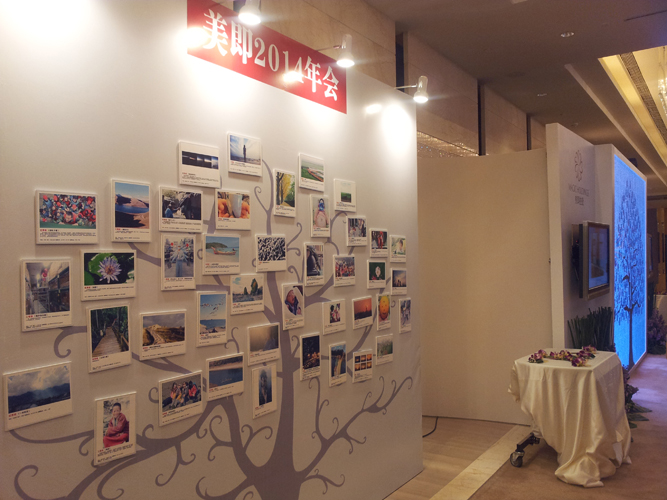
“I Have a Dream” – MG Mask 2014 Annual Party
Tuoyuan PR & Media Helps SANY Shine at Las Vegas Trade Show
Event Management and Creative Strategies for Corporate Award Ceremonies
Brand: The Core of Corporate Value
Sochi Winter Olympics Closing Ceremony: Using...

Four Key Points and Considerations for Corpo...

Key Points of Event Planning

Development and Application of Beam Moving H...
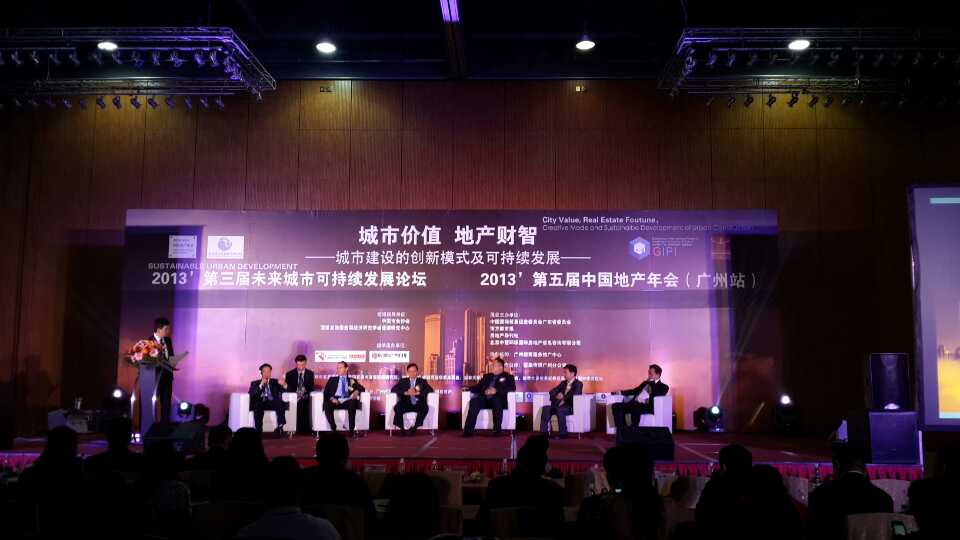
5th China Real Estate Annual Conference Held in Guangzhou in 2013
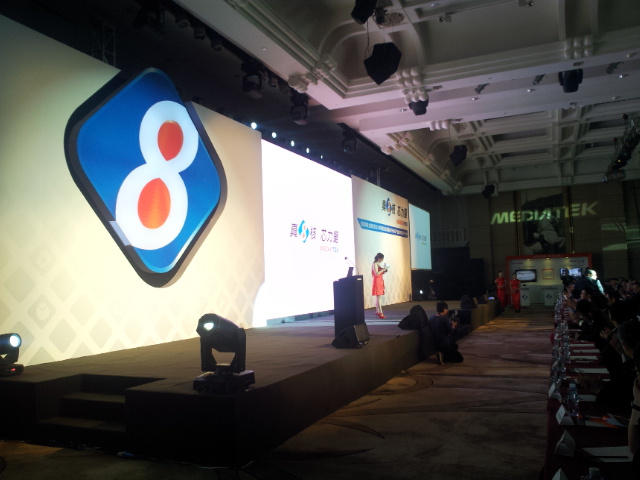
MediaTek True Octa-core Smartphone Processor Mainland Launch Event
TOWIN News