
Event Case Studies: From Brazil Carnival to Free Lunch Insights
Brazil Carnival: Even God goes crazy. Brazilians say, "God spent six days creating the world, and on the seventh day, he created Rio de Janeiro." Rio's fame largely comes from its Carnival. Known as the world's largest and most unrestrained carnival, it attracts millions of domestic and international tourists each year. The Carnival not only brings joy to Brazilians but also draws numerous visitors, boosts tourism, and stimulates the economy, making it an indispensable part of Brazilian life. Samba, Carnival, and football have all become symbols of Brazil. Among the various carnivals across the country, the Rio Carnival is the most renowned and is a world-famous, captivating event. According to the South American Chinese News, during the 2011 Carnival, Rio attracted 756,000 tourists in five days, a 37% increase year-on-year. Foreign tourists accounted for 40% of the total, doubling from the previous year. The Carnival generated approximately $559 million in revenue.
"Free Lunch": Creating a "Chinese-style" charity miracle. "Free Lunch" is a public welfare project initiated by Deng Fei and over 500 journalists, together with dozens of domestic media outlets and the China Social Welfare Education Foundation. The project advocates donating 3 yuan per day to provide free lunches for schoolchildren in poverty-stricken areas. On April 2, 2011, "Free Lunch" was officially launched. On October 26, 2011, the State Council decided to initiate the Nutrition Improvement Plan for Rural Compulsory Education Students. The project's transparency and efficiency won the trust of donors, raising over 16.9 million yuan in just over five months by September 2011, providing free lunches to more than 10,000 children in 77 schools. "Free Lunch" was hailed by Wang Zhenyao, former director of the Department of Social Welfare and Charity Promotion under the Ministry of Civil Affairs and dean of the Beijing Normal University Philanthropy Research Institute, as "a major event in the history of Chinese charity." He noted, "In such a short time, it received such a large-scale government response. This is unprecedented in Chinese charity history, and even in some European and American countries, I have not seen such a response."
The 2010 South Africa World Cup: Let the world re-discover South Africa. According to incomplete statistics, during the South Africa World Cup, FIFA's revenue exceeded $8 billion, including $2.7 billion from TV broadcast rights, about $2 billion from corporate sponsorships, and about $4 billion from licensed product sales. South African President Jacob Zuma believed the World Cup would bring 0.5% growth to the economy. "South Africa invested $4.3 billion to host the World Cup, but the expected economic return is $13 billion." In the long run, the World Cup was a historic opportunity for South Africa to showcase itself to the world, allowing the world to understand and re-discover the country. Additionally, the infrastructure built or upgraded for the World Cup, including light rail, airports, and highways, will greatly promote future economic development.
Taobao Online Shopping Carnival: A bloodbath, painful but happy. Singles' Day, a non-traditional holiday incubated in campus culture in the 1990s, has been gradually turned into a nationwide online shopping carnival by Taobao in recent years. Discounts are an ever-effective tactic for merchants to promote sales, even if they raise prices first and then discount. Consumers cannot know the secrets behind the discounts, but they are always unable to resist the temptation. Moreover, during the 2011 Taobao Singles' Day (Online Shopping Carnival), Taobao Mall offered 50% off across the board? According to official data from Taobao Mall, on November 11, 2011, alone, Alipay transactions reached 3.36 billion yuan, equivalent to four times the average daily retail sales of consumer goods in Hong Kong in September. Three brand stores on Taobao Mall exceeded 40 million yuan in sales, one exceeded 30 million, four exceeded 20 million, 38 exceeded 10 million, and 75 exceeded 5 million. A total of 497 brand stores surpassed one million yuan in sales, accounting for about a quarter of the participating stores, with explosive growth in overall transaction volume. Alipay also set a record of 33.69 million transactions in a single day.
Earth Hour: Let the Earth rest for a while. Earth Hour is a global initiative launched by the World Wildlife Fund (WWF) in 2007, calling on individuals, communities, businesses, and governments to turn off lights for one hour on the last Saturday of March each year to inspire a sense of responsibility for protecting the planet. The 2010 Earth Hour made history again, reaching over 1.3 billion people. A total of 4,616 towns and cities in 128 countries across all continents participated in the lights-off event. In China, the event received official support from 33 city governments, with millions of Chinese people participating. The 2011 Earth Hour was not limited to turning off lights for one hour and actions against global warming. While advocating for lights-off in homes, offices, government buildings, and iconic landmarks, Earth Hour also focused on promoting sustainable environmental actions.
Perhaps you are an ordinary netizen. Then you must have heard of "Fanke Style," "Taobao Style," or "Haidilao Style." In the concise and humorous tone of "Fanke Style," netizens found a way to easily entertain themselves and others. In July 2010, on websites like Douban and Tongcheng, the activity "Teasing Fanke" was in full swing. Ultimately, this simple Photoshop activity collected 3,438 Fanke-style PS images, each featuring a hot person or event. On major portals, Weibo, and SNS sites, the more clever images were frequently reposted, ultimately boosting Vancl's visibility dramatically within a few months.
Perhaps you are a corporate executive. Then you might know the "Super Girl" myth of Mengniu Sour Milk. From January to June 2005, Mengniu Sour Milk's national sales increased by 2.7 times compared to the same period the previous year. By riding on the coattails of Super Girl and forming a close partnership with China's space activities, the brand value of Mengniu soared.
Perhaps you are a city official. Then you might know about Brazil Carnival, an event that made a city.
Perhaps you are a media executive. Then you are certainly familiar with "Super Girl," "China's Got Talent," and "If You Are the One." Hunan Satellite TV, with events like Super Girl, created a revenue growth myth from 300 million to 5 billion yuan between 2003 and 2011.
Perhaps you are the president of an NPO. Then you certainly know about Taiwan's Tzu Chi, which now has over 10 million members and 4 million volunteers worldwide, with branches or liaison offices in 47 countries, and has provided aid to 70 countries. You might appreciate the "Free Lunch" charity miracle more than the average person. Despite the negative impact of the "Guo Meimei incident," the project has been carried out vigorously.
Since ancient times, events have never been as important as they are today in our politics, economy, culture, and daily life. More and more government departments are incorporating city event marketing into economic development, urban construction, and tourism promotion. More and more enterprises regard events as a marketing nuclear weapon beyond traditional marketing methods. More and more media and media professionals are engaging in public welfare, using public welfare events as an important means to enhance media influence, ratings (readership), and advertising revenue. Events fill our newspapers, occupy our screens, share our time, and enrich our lives.

How to Plan a Successful Immersive Themed Exhibition?

How to Customize Event Plans for Clients?

How to Uncover a Unique Brand Story?

Marketing Event Planning and Execution Guide

Fun Christmas Interactive Activities for Your Team

Fireworks Installation Design Guide

How to Better Understand Target Customer Needs for Community Marketing?

A Practical Guide to Offline Community Marketing Events for Real Estate

How to Optimize Roadshow Effectiveness Based on Venue Layout
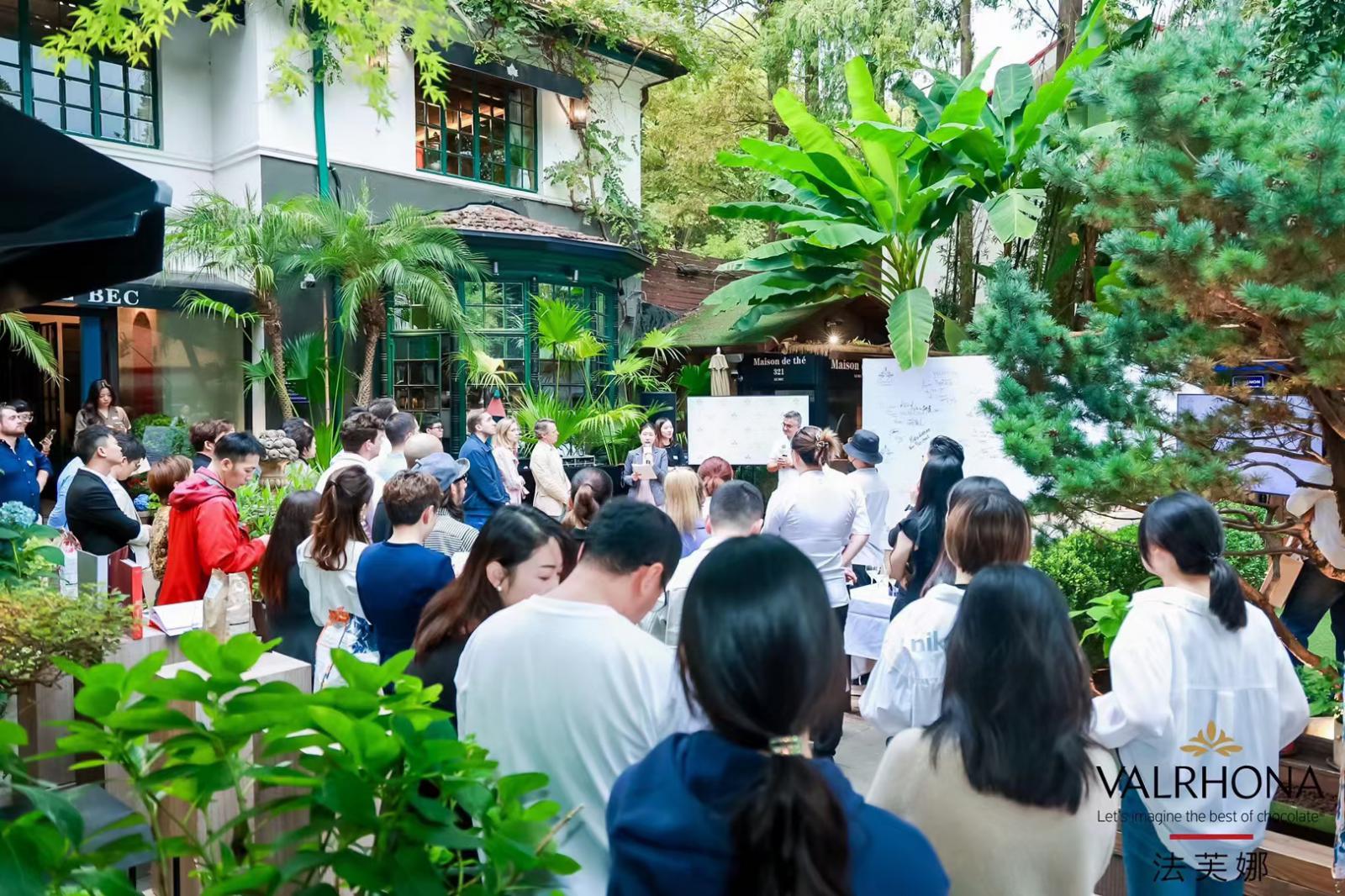
How to Choose a Non-Traditional Venue for Your Salon Meeting?
TOWIN News