
Five Key Operational Points for Brand Promotion
The transition from product promotion to brand promotion is a necessary step for an enterprise to elevate from a basic product operation level to a higher brand operation level. In this transformation, five key operational points must be addressed: thematic promotion, stylistic promotion, advantage-based promotion, fashion-forward promotion, and sustained promotion.
Key Point 1: Thematic Promotion
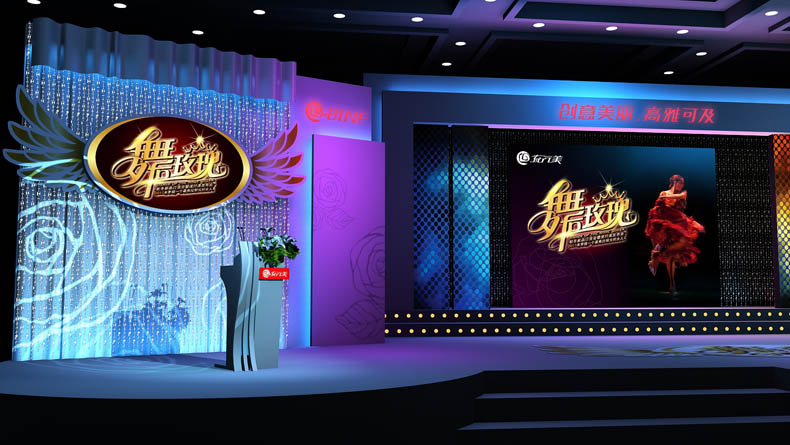
Product-based promotion often neglects the cluster effect among individual product promotions, leading to a scattered product selection and a lack of a clear, consistent product image. Therefore, when conducting brand-oriented promotion, it is essential to first map out the existing product distribution to uncover the underlying core value proposition, which will guide the primary and secondary promotional themes. In actual promotional operations, products that best align with the theme should be deliberately and systematically selected, preventing the scattered approach common in product promotion, achieving product concentration, and enhancing the deferred effect of promotional investment. At the 2011 Popular Beauty autumn ordering conference, the theme "Dancing Queen Rose, Ever-Changing Enchantment" highlighted the brand's core promise of helping women become more beautiful, as if endowed with transformative powers. This thematic approach to brand promotion resulted in satisfactory order volumes for Popular Beauty at the 2011 autumn ordering conference.
Key Point 2: Stylistic Promotion
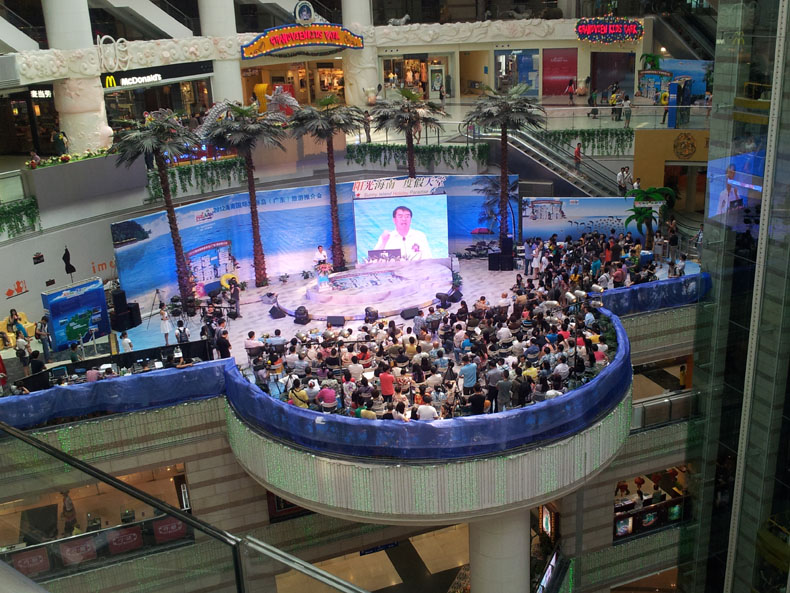
As products are continuously upgraded and fashion trends shift, product styles are also in constant flux. Product-based promotion tends to focus on the design of individual products without considering stylistic consistency across the entire range. This means each new product launch requires starting from scratch to inform consumers, failing to leverage the effects of previous products. In brand-oriented promotion, extensive groundwork is needed to build a product identification system, integrating shared brand values into the design of different products so consumers can perceive its positioning and value, thereby enhancing brand loyalty. At the 2012 Hainan International Tourism Promotion Conference, a three-dimensional stage design was projected onto the floor, making attendees feel as if they had arrived in Hainan, experiencing the sunshine, beach, and beauty. This event not only showcased Hainan's local characteristics but also gave attendees a refreshing and novel experience.
Key Point 3: Advantage-Based Promotion
Many manufacturers possess abundant product resources, some with excellent quality and the potential to become star products. However, due to constraints of immediate profits, they often treat all products equally, distributing limited resources evenly, resulting in a mixed product structure and vague product roles. Even after years of product promotion, they fail to form a competitive product portfolio. Brand-oriented promotion abandons the original resource allocation model, adopting strategies that prioritize, build a tiered structure, highlight key products, and create star products. This not only balances profit contribution points but also enhances the brand's overall market influence, thereby improving the enterprise's resource integration capability and market competitiveness.
Key Point 4: Fashion-Forward Promotion
Whether for fast-moving consumer goods or high-tech products, market demand is constantly evolving, maintaining a distinct fashion-oriented consumption character. Product promotion lacking brand awareness may attempt to use fashionable language, but it often remains detached from product value and fails to truly resonate with consumers. When transitioning to brand-oriented promotion, the focus shifts to exploring fashion possibilities based on the brand's core values, avoiding superficial fashion labels, and thereby gaining consumer admiration and support.
Key Point 5: Sustained Promotion
Every specific product has its own product life cycle, and the brevity of product life shortens the period for promotional returns, limiting the space for sustained promotion and nearly eliminating the possibility of deferred gains. By transitioning from product promotion to product brand promotion, sustained promotion can effectively extend the life cycle, delay product aging, and even overcome life cycle limitations through product improvement and brand reinvention, achieving sustained returns by flexibly responding to market demand. If attention is also paid to accumulating corporate brand assets during the process, it can in turn provide strong endorsement for new products, reduce entry barriers, and support the rapid growth of new product brands. In the central air conditioning field, Broad Company has invested persistently over the years, enhancing visibility through mass promotion and building reputation through professional promotion, establishing substantial brand assets in the mainland Chinese market. In the new era where consumers have moved from product consumption to brand consumption, the transition from product promotion to brand promotion is a major challenge for business operators, and their response will determine the future direction of their enterprises.
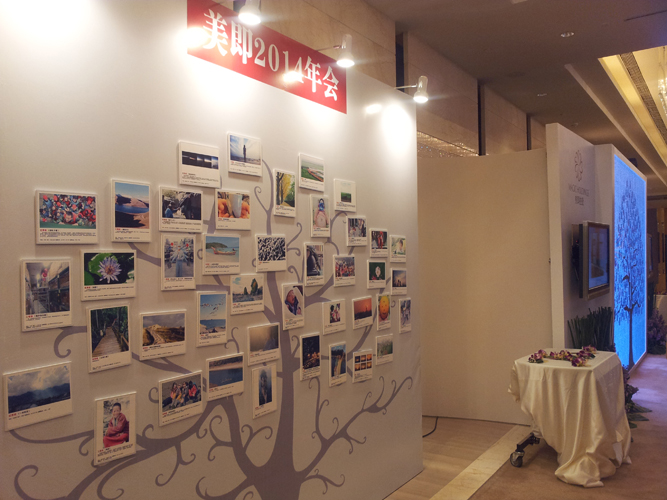
“I Have a Dream” – MG Mask 2014 Annual Party
Tuoyuan PR & Media Helps SANY Shine at Las Vegas Trade Show
Event Management and Creative Strategies for Corporate Award Ceremonies
Brand: The Core of Corporate Value
Sochi Winter Olympics Closing Ceremony: Using...

Four Key Points and Considerations for Corpo...

Key Points of Event Planning

Development and Application of Beam Moving H...
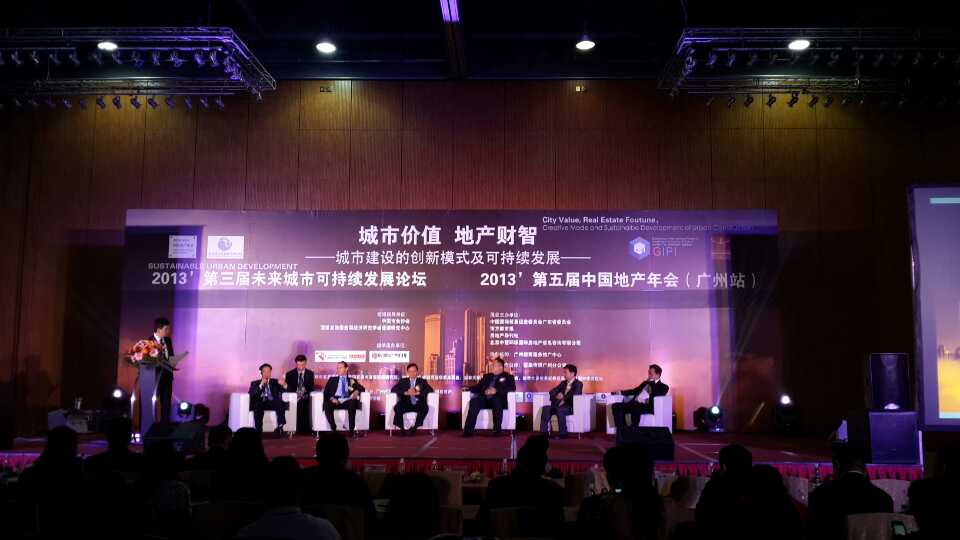
5th China Real Estate Annual Conference Held in Guangzhou in 2013
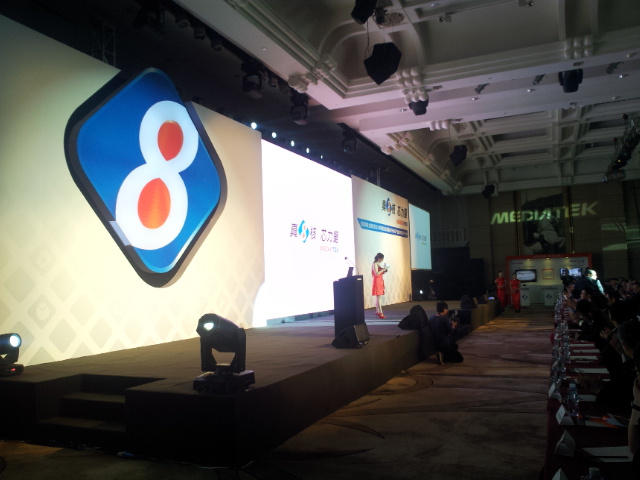
MediaTek True Octa-core Smartphone Processor Mainland Launch Event
TOWIN News