
Strategies for Leveraging Momentum in Event Promotion
"It doesn't matter how much money you have, but how much heart you put into it." This is the guiding principle for event promotion. The result of putting heart into it is that the media will do free promotion for you time and again.
The Great Barrier Reef recruitment campaign captured global media attention for Tourism Queensland not primarily because of their advertising spend, but because they truly put heart into it and skillfully employed a key methodology in promotional planning—leveraging momentum. Amid the global economic crisis, they launched an enticing plan to "vacation while earning big money," successfully piquing the sensitive nerves of people and media worldwide.
Leveraging momentum, simply put, is finding and creating opportunities, taking corresponding actions to expand results, consolidate and develop a favorable situation. Its function is to use all subjective and objective conditions to create a competitive advantage for oneself. "Momentum" can be understood as timing, opportunity, situation, trend, and advantage. Leveraging momentum is like "rolling a round boulder down a thousand-ren mountain"—when the time comes, with a slight push, the boulder rolls down with irresistible force. Thus, a skilled warrior seeks momentum, not blame, and can choose the right people to harness it. Outstanding military strategists know how to leverage momentum: with 400,000 troops, they claim a million, marching in full force, terrifying the enemy into retreat without a fight. A show of force is worth a thousand troops. Outstanding entrepreneurs also know how to leverage momentum: sudden "political events" or hot news topics can bring considerable economic and social benefits to savvy businesspeople.
An excellent promotional plan must emphasize leveraging momentum, and assessing the situation and skillfully choosing the right time are key to its success, ensuring the effectiveness of promotional efforts.
From the currently favored methods and techniques of "news making," we can glimpse the methods and techniques of leveraging momentum; in fact, they are essentially the same. Mastering the former means mastering the latter.
News making, also known as "news events" or "media events," refers to an organization using healthy and legitimate means to consciously take actions that benefit both itself and the public, attracting the attention of news units and people from all walks of life. To enhance the organization's visibility and reputation, based on real events within the organization, planners promote, dig, organize, and arrange a series of newsworthy events or activities to gain coverage from promotional media.
Compared with general news, "made" news has the following characteristics:
① It does not happen by chance but is planned and arranged by professionals. That is, general news is written by reporters, who are the leaders; "made" news is led by planners.
② Such news cannot be fabricated or false. Like general news, it must have news value and be based on facts, but it is more dramatic and more capable of attracting public attention.
③ Such news is specifically arranged to shape and improve the organization's image, and in most cases it achieves this effect, while general news can only increase visibility (good or bad) but cannot improve the image (high visibility with low reputation can actually harm the organization's image).
News making is an effective means for a company or organization to increase visibility and reputation. It is not about sensationalism or mystification; it must be based on facts, guided by journalistic norms, and beneficial to social interests and public life. At the same time, news making is a creative activity with no fixed formula or method; it relies on planners' broad knowledge, rich imagination, and practical experience. However, through systematic analysis of numerous promotional cases, some common methods and techniques can still be identified.
First, plan news around social hotspots and fashion elements. Social hotspots and trends change frequently; finding the right timing that both boosts corporate visibility and product sales while closely relating to public concerns requires planners to dig from different angles and levels.
Second, use novel formats to package news. Some news elements are basic, but through packaging and presentation, unexpected effects can be achieved. During the 2009 Zhangjiajie Rural Music Festival, an advertisement featuring the mayor as spokesperson drew widespread media attention. The celebrity endorsement element was not new, but the ad used an anime style to exaggerate the mayor's image, giving it a fresh feel. If they had used real footage of the mayor instead of anime, the endorsement ad would have negatively impacted both the festival and the mayor's image.
Third, consciously link celebrities with the organization to create news. Authoritative figures and socialites are themselves news figures, and media often track their activities. Inviting them to participate in public relations activities generates both news value and PR effects. Many companies' groundbreaking or anniversary celebrations try to invite government officials or celebrities to write inscriptions, cut ribbons, hold press conferences, and announce corporate policies or achievements. As a result, these events naturally attract media attention, achieving the organization's promotional goals.
Fourth, co-host activities with news organizations to increase exposure. When co-hosting events with news organizations, since they are involved, they will go all out to disseminate the content, giving the organization opportunities to appear in their coverage.
Fifth, news hype must not violate social ethics; otherwise, it may lead the company and brand into a crisis.
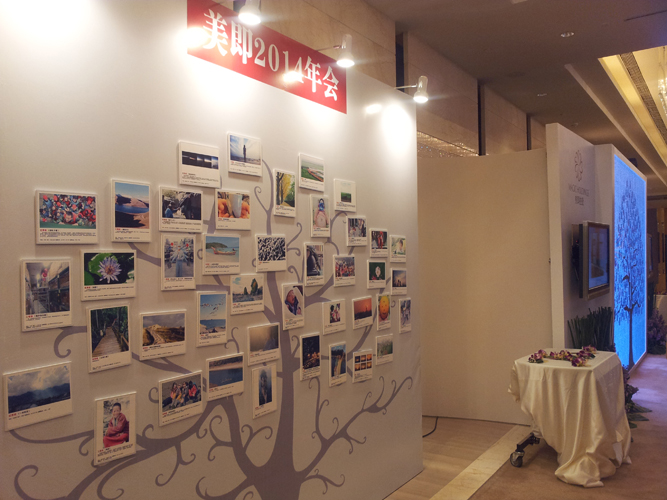
“I Have a Dream” – MG Mask 2014 Annual Party
Tuoyuan PR & Media Helps SANY Shine at Las Vegas Trade Show
Event Management and Creative Strategies for Corporate Award Ceremonies
Brand: The Core of Corporate Value
Sochi Winter Olympics Closing Ceremony: Using...

Four Key Points and Considerations for Corpo...
Key Points of Event Planning
Development and Application of Beam Moving H...
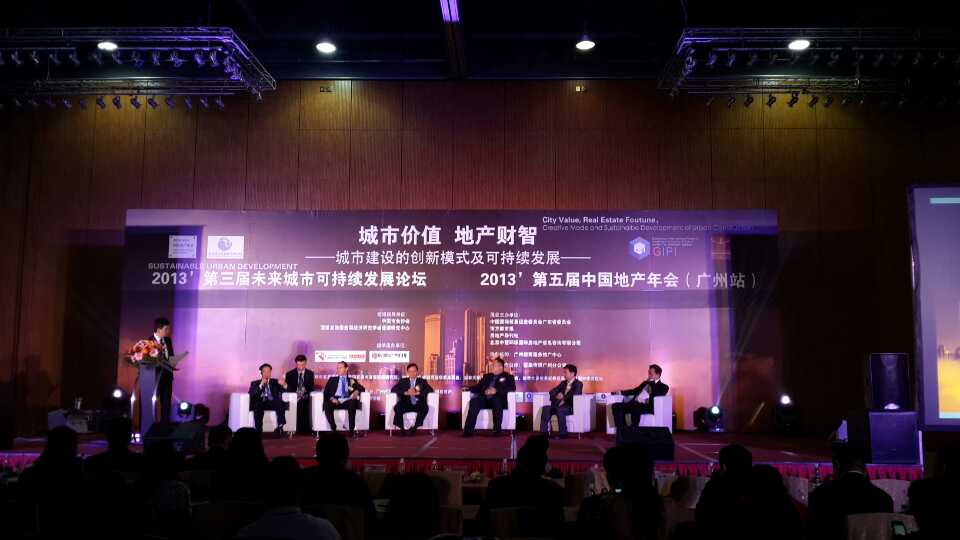
5th China Real Estate Annual Conference Held in Guangzhou in 2013
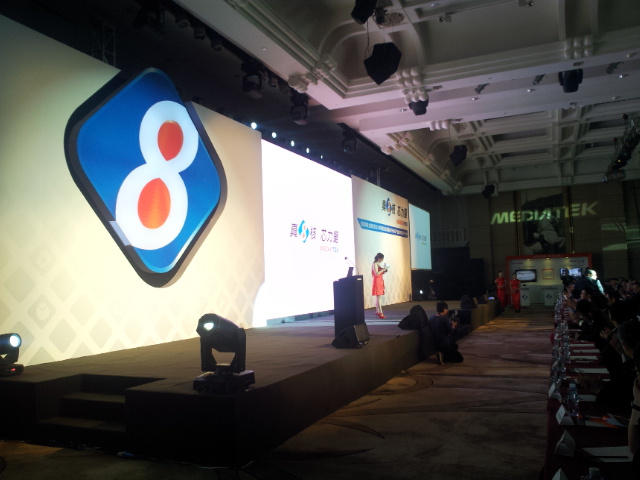
MediaTek True Octa-core Smartphone Processor Mainland Launch Event
TOWIN News