
Applying Classic Marketing Principles to Event Management
Have you noticed that our lives are increasingly surrounded by events of all sizes? Local festivals, corporate promotions, charity causes, and more. As events replace traditional advertising and become the new favorite for companies, governments, or organizations to promote themselves, their marketing characteristics are becoming more prominent. Indeed, in the post-advertising era, choosing events as a marketing tool is a step in the right direction. But how can you maximize this approach? Let's borrow a few lessons from classic marketing theory.
Recently, I came across an article on marketing that was very insightful. The gist was that any company aiming to effectively market its products or services must address three questions: "What to produce?", "Value scarcity", and "Brand building". "What to produce" is the primary proposition of marketing, "value scarcity" is the core thinking, and "brand building" is the ultimate goal. Similarly, a successful event must deeply understand and fully practice these three aspects.
First, consider the primary proposition of marketing: "What to produce". For event marketing, this translates to: What kind of event should we hold? Product sales should start with consumer behavior research and market surveys; likewise, event sales should start with audience needs and preferences. Before organizing an event, you must clearly know who the event is for and who needs to participate. Only by defining the target audience and fully exploring and creating value propositions for them can you define the event. Just as customer value must be integrated into the body and soul of a product, audience needs and preferences must be deeply embedded in every element of the event. This is the soul of a successful event. Wang Wei, a leading figure in the event industry, described it in his new book The Power of Events: "For a ship without a destination, any wind is a headwind. For an event lacking clear positioning, any form is doomed to fail." This highlights the importance of event positioning.
Next is the core thinking of marketing: "value scarcity". How to uncover value scarcity and focus on customer value is the essence of marketing. As the saying goes, rarity makes things valuable; for any product, scarcity leads to multiplied value. Similarly, any event, to attract broad participation and attention, must break free from the mold of homogenization and fully exploit its unique features. Looking at the current festival market, there are food festivals here and cultural festivals there, all grand in scale, but most lack clear themes, have empty content, and attract few participants, eventually degenerating into self-entertaining farces by the government. Truly successful events must create scarce value that is unique, innovative, and distinctive. "Urban events should make great efforts to integrate with local characteristic resources, striving to make each event's theme more distinct and highlight local features" (quoted from The Power of Events). Only events that fully reflect local characteristics possess value scarcity. Any blind imitation or lack of independent value will be short-lived and unable to withstand the test of time and society.
Finally, the ultimate goal of marketing is "brand building". In the past, when cultural and entertainment life was monotonous and the economy underdeveloped, any event held in a place would attract a crowd. With the proliferation of media, especially the internet, and increasingly fierce market competition, people have become more discerning about events. Even if an event attracts momentary attention with lively scenes and a couple of big-name stars, it cannot win long-term favor and loyalty. For an event to be sustainable and create anticipation among audiences, it cannot be a one-shot deal; it must establish a mature brand. All internationally renowned events have histories spanning decades, centuries, or even millennia. As of 2011, the Olympics were 2787 years old, the World Cup 71, the World Expo 160, the Nice Carnival over 100, the Sapporo Snow Festival 61, and the Munich Oktoberfest 201... Events are an "attention economy," and the phenomenon of "diminishing marginal utility" in their appeal is very common. No one likes to attend the same event year after year; if the same event is staged again without innovation, its appeal will inevitably decline. This is why many domestic events with similar themes, stuck in the same formats of opening ceremonies, exhibitions, fairs, and investment conferences, mostly fizzle out after a brief appearance. Organizers should correctly handle the dialectical relationship between the event and its brand; the event's value and emotional value should not be artificially separated.
Tuoyuan believes that a good event planning proposal is only the first step to success. Moving from "manufacturing products" to "manufacturing brands" is a marketing issue that Chinese companies urgently need to solve today. Similarly, moving from holding an event to establishing its brand value is an urgent issue for the event industry. A brand is the competitiveness of an event and its vitality. Finally, let me end this article with a quote from The Power of Events: "Building an event brand is a long-term endeavor, not a one-time excitement. It requires not only a good planning proposal, long-term government policy support, and careful cultivation of the local market, but also stable operating models, consistent and persistent event themes, continuous innovation, and even a willingness to take risks!" Market events like branded products to create lasting value and charm!
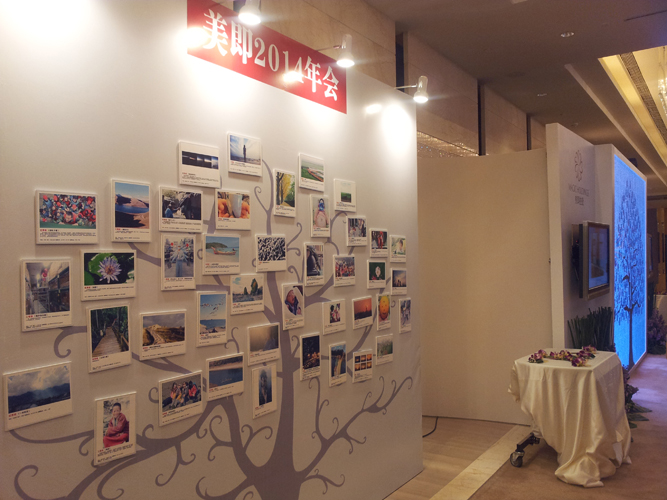
“I Have a Dream” – MG Mask 2014 Annual Party
Tuoyuan PR & Media Helps SANY Shine at Las Vegas Trade Show
Event Management and Creative Strategies for Corporate Award Ceremonies
Brand: The Core of Corporate Value
Sochi Winter Olympics Closing Ceremony: Using...

Four Key Points and Considerations for Corpo...
Key Points of Event Planning
Development and Application of Beam Moving H...
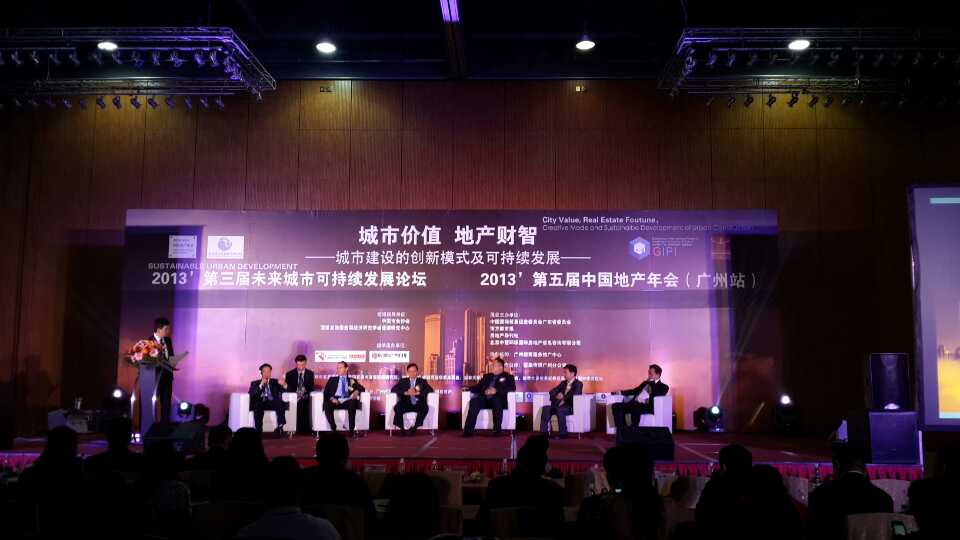
5th China Real Estate Annual Conference Held in Guangzhou in 2013
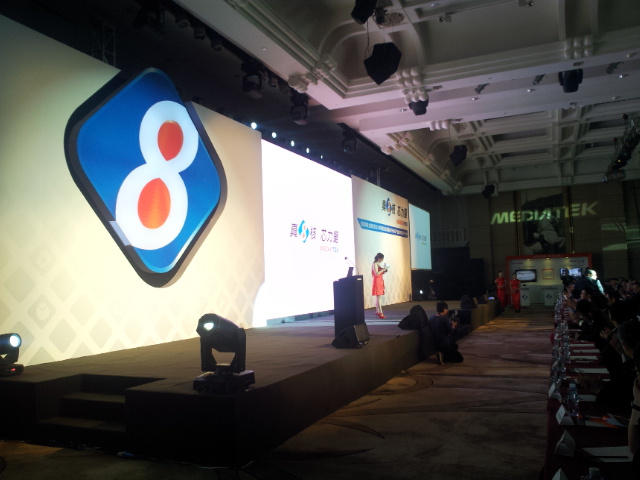
MediaTek True Octa-core Smartphone Processor Mainland Launch Event
TOWIN News