

Key Points in Concert Sound Design
Nowadays, many performance events are placing greater emphasis on the expression of sound and audio, much like the high standards for surround sound in film production. The placement and layout of speakers, along with the use of the precedence effect, can effectively help address these issues, providing audiences with a higher-level auditory experience. However, more and more audiences are no longer satisfied with these outdated sound presentations. During performances, the voices of artists on stage are emitted from speakers, so the positions of the performers and the speakers often do not align. This creates a discrepancy between visual and auditory positions, and can even lead to comb filtering effects. Sound needs to convey not only content but also position.
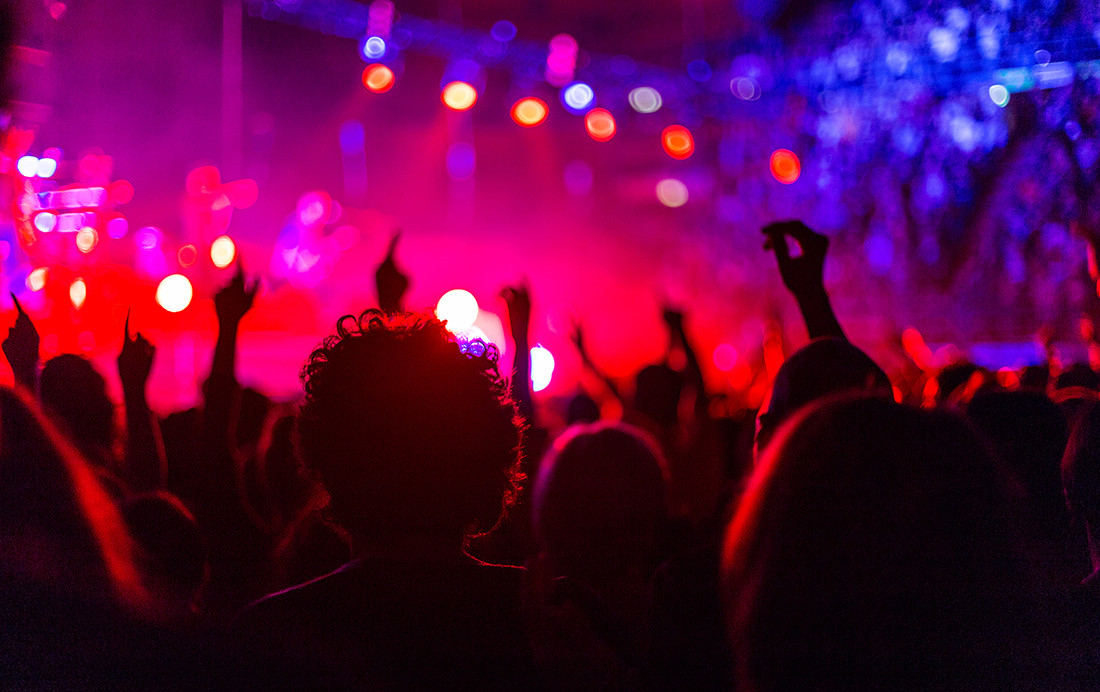
In the sound design for concert events, the arrangement of speakers must coordinate with the shape of the venue. In concert sound design, it should be ensured that the sound level does not vary by more than 3dB for any audience member within the venue, regardless of their distance from the speakers. Surround speakers are even less suitable, as they can cause audiences near the speakers to perceive high volume while those farther away perceive low volume. Additionally, home stereo two-channel setups are also inappropriate, as they would cause audiences on the left to hear only the left channel and those on the right to hear only the right channel.
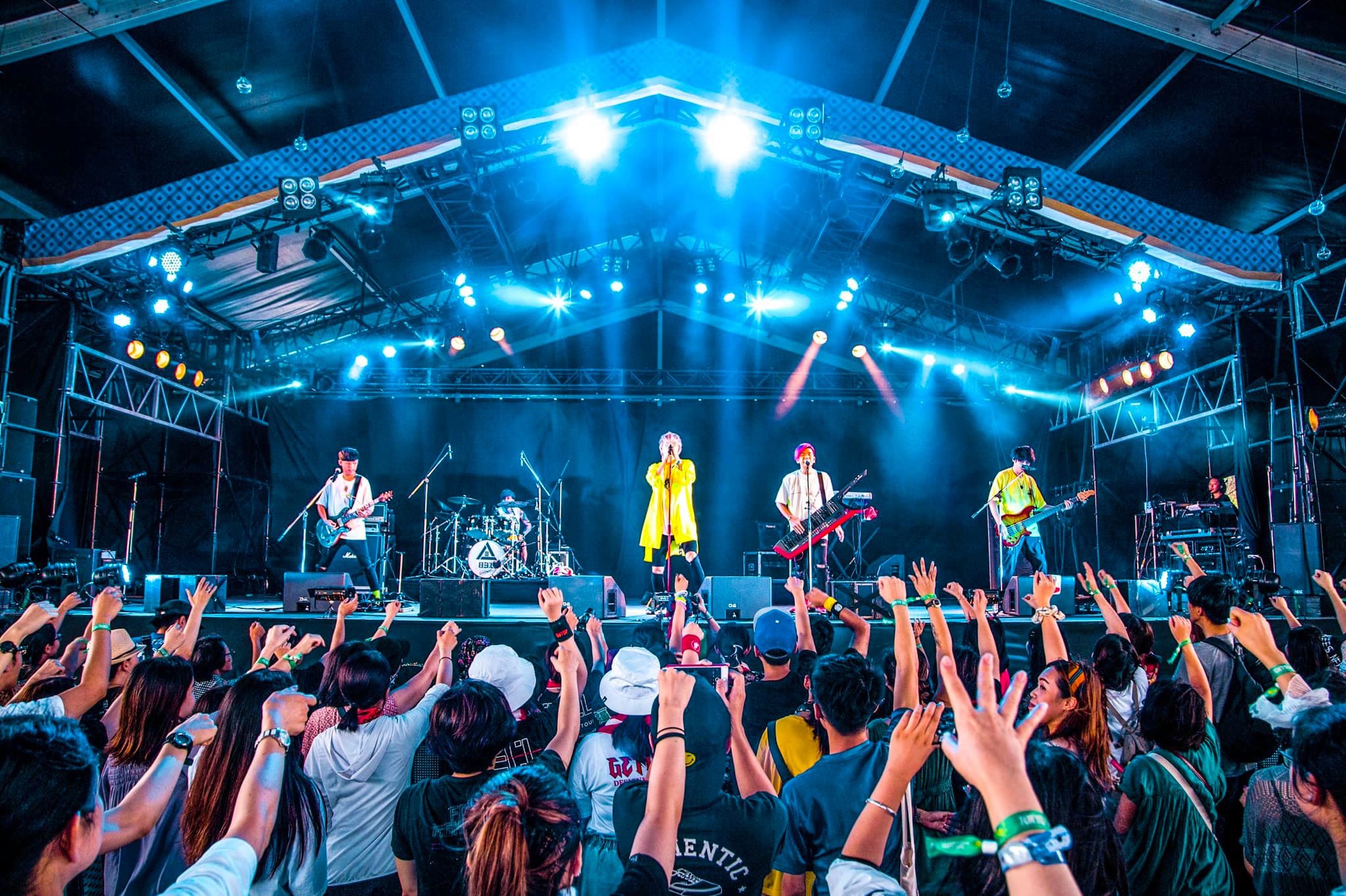
Concerts of different scales should ideally have correspondingly sized spaces and acoustic treatment environments to provide audiences with the most appropriate volume. Suitable reverberation and spatial sense, along with clear music and low-noise environments, are essential. Concert events often rely on venue design, including size, shape, and acoustic treatment, to provide these conditions.
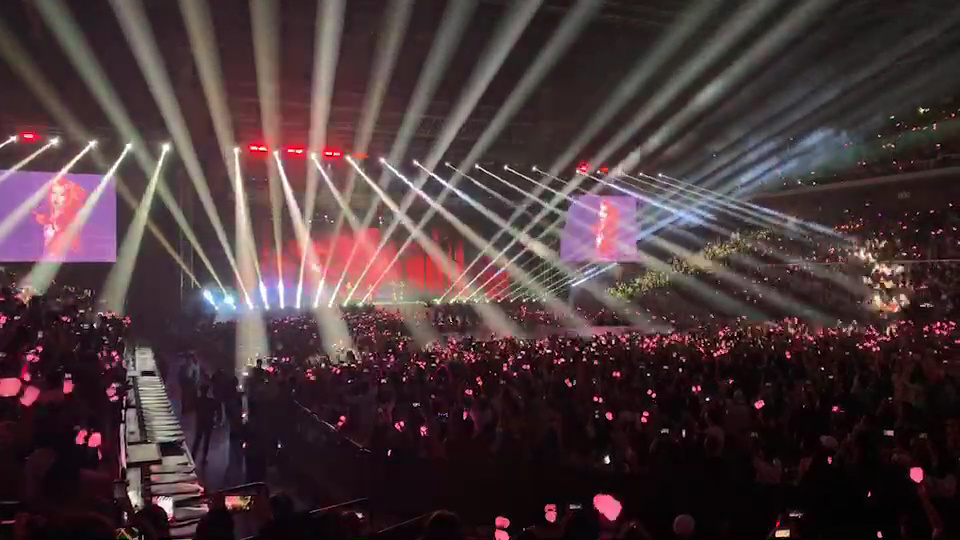
In any concert event, the performance of the band or artists and the perception of the audience should occur in the same space, allowing both to integrate with each other. The spatial environment, as the medium for sound transmission, is particularly important. Only when the spatial environment is coordinated and monitored can the correct sound information be conveyed to the audience.

How to Plan a Successful Immersive Themed Exhibition?

How to Customize Event Plans for Clients?

How to Uncover a Unique Brand Story?

Marketing Event Planning and Execution Guide

Fun Christmas Interactive Activities for Your Team

Fireworks Installation Design Guide

How to Better Understand Target Customer Needs for Community Marketing?

A Practical Guide to Offline Community Marketing Events for Real Estate

How to Optimize Roadshow Effectiveness Based on Venue Layout

How to Choose a Non-Traditional Venue for Your Salon Meeting?
TOWIN News