
The Five Essential Elements of Complete Event Rules
Event planning is a fundamental skill in operations, but many planners focus only on creativity and consider event details trivial. As a result, after an event launches, users may interpret it differently, execution may deviate from the plan, and users may exploit loopholes for personal gain, leaving execution teams, customer service, and even developers scrambling to fix issues. This often stems from a lack of comprehensive event rules after the theme is confirmed.
Some may ask: with all those clauses, who reads them? Are they useful? I believe they are. Event rules act as a temporary contract between organizers and participants, helping everyone (including internal staff and interested users) understand the details and serving as a safeguard during disputes.
So, what elements should complete event rules include? Generally, they cover the following five aspects:
1. Complete Restatement of Event Information
Event rules typically supplement the event landing page, which often has limited text capacity due to design and visual appeal. Therefore, the rules should first restate basic information such as event timing, target audience, content, and participation conditions.
2. Definition of Event Terms
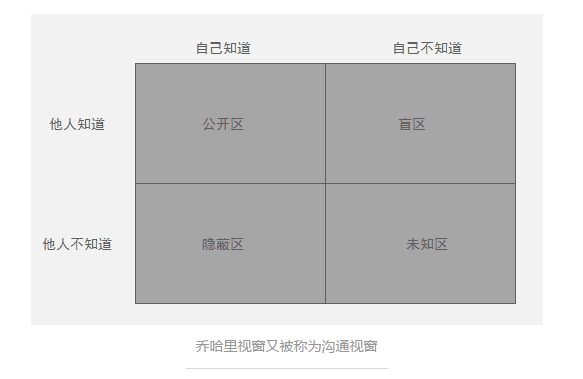
Planners often fall into the trap of assuming everyone understands the terms they use, leading to communication barriers. As shown in the Johari Window below, not all event information is in the open area. Defining terms helps uncover hidden and blind areas before the event, aiding understanding and execution.
For example, our platform runs events for fans or members. Many planners might think the difference is obvious, but users may not be clear. Thus, the rules should specify: fans are users who follow the XX WeChat official account, and members are users who have bound their phone number and completed registration on the same account. Other internal terms also need definitions to facilitate understanding and effective communication.
3. Special Scenario Limitations
After finalizing the event plan, it is advisable to discuss with execution and customer service teams, listen to their suggestions, and include limitations for special scenarios that may arise. Common special scenarios include:
- Whether the event can be combined with other simultaneous events;
- Whether participation remains valid in cases of refunds, returns, or order cancellations;
- Whether there are restrictions on audience, region, or frequency;
- If participation consumes user rights (e.g., points or payments), will those rights be returned if no reward is obtained after the event ends?
- Whether specific actions are required to participate, who bears responsibility if users encounter issues, and whether missed deadlines result in reminders or automatic forfeiture;
- Whether prizes can be returned or exchanged for cash, and who is responsible for quality issues;
- If other channels or platforms interpret the event differently, which platform's explanation prevails.
These are just a few examples. No event unfolds exactly as planned, and various unexpected situations may occur. Only by communicating with execution, customer service, and more experienced planners or operations staff can you anticipate potential special scenarios. The rules should predefine how to handle these situations.
4. Risk Warnings
Event risks are a further evolution of special scenarios. Special scenarios are exceptions that may occur, and limitations are set to resolve disputes and ensure completeness. Risks, on the other hand, are situations planners hope never happen, but if they do, the rules must inform users of the organizer's decisions to achieve effective risk control.
Common event risks include:
- Measures in case of hacker attacks or systematic fraudulent activities (e.g., automated order placement);
- Measures in case of server, device, network, or other system bugs;
- Measures in case of force majeure events affecting the event.
Risk control should ideally have two versions: internal and external. The internal version includes solutions and official responses for various risks, while the external version clarifies responsibilities and user notices.
5. Residual Matters and Final Interpretation Rights
As shown in the Johari Window, besides the open, hidden, and blind areas that can be fully explained in the rules, there is also an unknown area. No event plan is perfect, and execution is complex, so unforeseen situations may arise.
Therefore, it is recommended to add a clause stating that unresolved matters are subject to notifications on the XX platform, and any supplementary explanations posted there are considered known to all participants.
Regarding the final interpretation clause: although regulations prohibit using "final interpretation right" as an unfair clause that infringes on consumer rights (making it invalid in such cases), merchants must retain the right to interpret terms that may be ambiguous. Thus, it is advisable to keep this clause in the rules.
As shown above, event rules test the planner's overall control and foresight. The more detailed they are, the easier it is for execution and customer service teams. For larger events, it is recommended that planners and customer service staff supplement the rules with a detailed Q&A. More preparation will surely lead to fewer detours and fewer "pitfalls."

How to Plan a Successful Immersive Themed Exhibition?

How to Customize Event Plans for Clients?

How to Uncover a Unique Brand Story?

Marketing Event Planning and Execution Guide

Fun Christmas Interactive Activities for Your Team

Fireworks Installation Design Guide

How to Better Understand Target Customer Needs for Community Marketing?

A Practical Guide to Offline Community Marketing Events for Real Estate

How to Optimize Roadshow Effectiveness Based on Venue Layout

How to Choose a Non-Traditional Venue for Your Salon Meeting?
TOWIN News