
From Design Strategy to Flawless Execution: How to Create Successful Interactive Marketing Campaigns
Designing and executing a successful interactive marketing campaign involves multiple stages, from strategy setting to final execution. Below is a systematic step-by-step guide to help you achieve this goal:
1. Goal Setting
- Define objectives: Determine campaign goals, such as increasing brand awareness, boosting customer engagement, or driving sales.
- Quantify KPIs: Set key performance indicators (KPIs) such as participation numbers, social media shares, conversion rates, etc., to facilitate performance evaluation.
2. Target Audience Analysis
- Audience segmentation: Analyze the characteristics of your target audience, including age, gender, interests, shopping behavior, etc., and develop corresponding interactive plans.
- Insight into needs: Understand the needs and pain points of potential customers to ensure the campaign is attractive and relevant.
3. Creative Ideation and Design
- Choose interaction formats: Select interaction formats based on audience characteristics and goals, such as surveys, sweepstakes, social media challenges, online contests, etc.
- Storytelling elements: Incorporate narrative or emotional elements to attract user participation and enhance brand affinity.
4. Multi-Channel Distribution
- Select suitable platforms: Choose the most relevant channels for your target audience, such as social media, email, website, or offline events.
- Promotion strategy: Develop content and promotion strategies tailored to each channel's characteristics, ensuring consistent messaging.
5. Content Creation
- Eye-catching visual design: Design high-quality images and videos to make the campaign content more vivid; consider using GIFs to add fun.
- Clear call-to-action (CTA): Ensure every interactive element has a clear action guide to encourage user participation.
6. Execution and Monitoring
- Campaign execution: Proceed with the campaign according to the planned schedule, ensuring all steps are carried out in an orderly manner.
- Real-time monitoring: Use analytics tools to track various data, such as participation numbers, user feedback, and social media performance, and adjust strategies promptly.
7. User Participation and Incentives
- User incentive mechanisms: Provide rewards or incentives, such as coupons, gifts, points, etc., to encourage users to participate more actively.
- Social recognition: Integrate sharing mechanisms into the campaign, encouraging users to share their participation experiences to expand the campaign's reach.
8. Feedback and Optimization
- Data collection: After the campaign, collect all relevant data and conduct in-depth analysis to evaluate the campaign's effectiveness and the achievement of each KPI.
- User feedback: Solicit user opinions about the campaign to understand their experiences and feelings, providing a basis for optimizing future campaigns.
9. Summary and Reporting
- Write a summary report: Summarize the campaign's successes and shortcomings, forming a detailed campaign report.
- Share experience: Share insights with the team and apply lessons learned to future campaigns.

Conclusion
A successful interactive marketing campaign design requires meticulous planning and execution. Through reasonable strategy setting, precise audience analysis, engaging creative content, and effective monitoring and feedback, you can ensure the campaign runs smoothly and achieves the desired results, enhancing brand awareness and customer satisfaction.

How to Plan a Successful Immersive Themed Exhibition?

How to Customize Event Plans for Clients?

How to Uncover a Unique Brand Story?

A Creative Marketing Extravaganza

Fun Christmas Interactive Activities for Your Team

Fireworks Installation Design Guide

How to Better Understand Target Customer Needs for Community Marketing?

How to Implement Offline Activities in Real Estate Community Marketing?

How to Optimize Your Roadshow Based on Venue Layout?
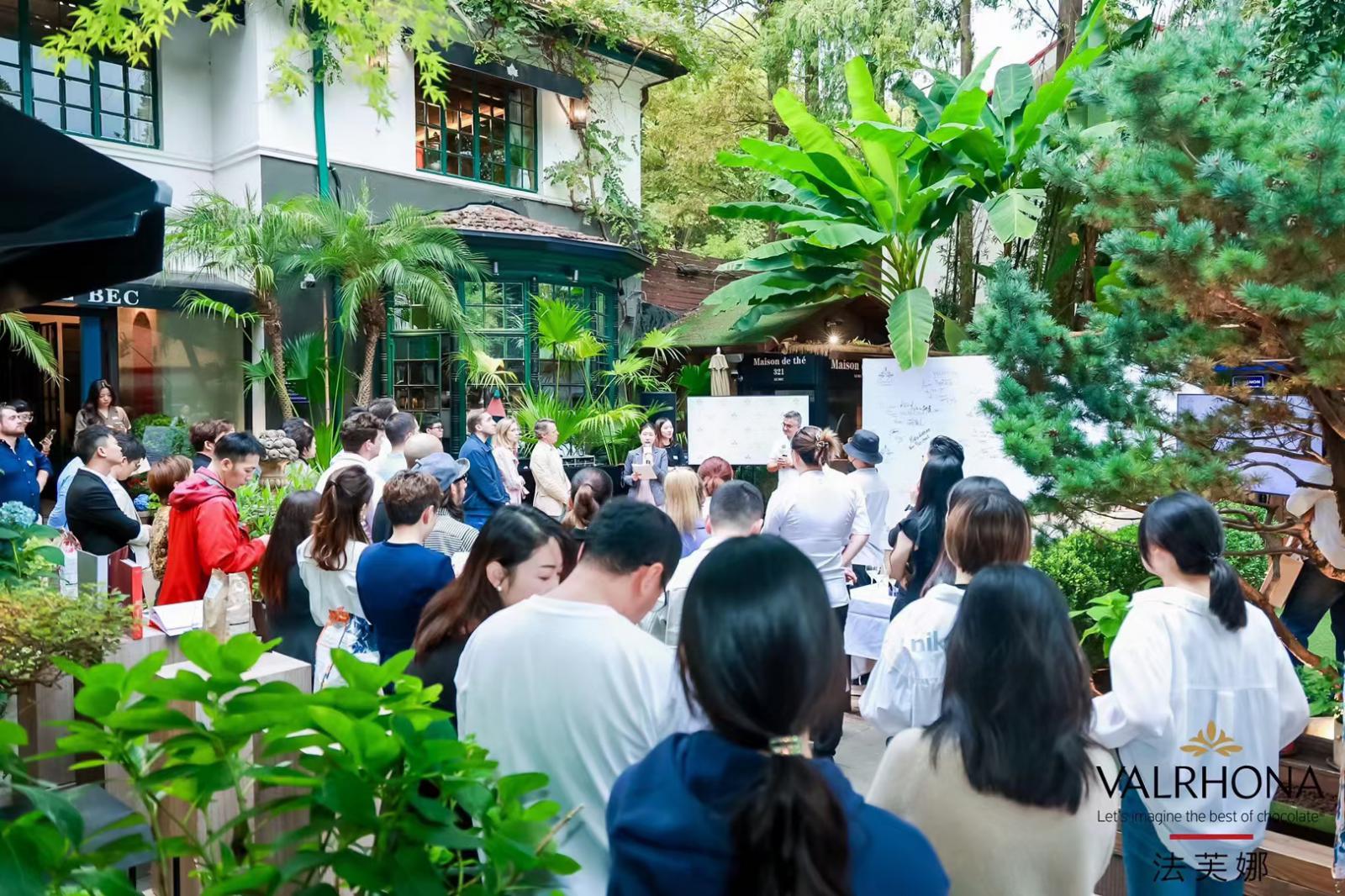
How to Choose a Non-Traditional Salon Meeting Venue?
TOWIN News