

What Are the Main Roles of Stage Design Planning and Execution?
A perfect performance requires the support of stage design planning and execution. In stage arts, stage design planning and execution occupies a very important position. It can bring stage art to near perfection, allowing the audience to enjoy a magnificent visual and auditory feast. Clearly, it plays a crucial role. Here, we will introduce the main roles of stage design planning and execution.

First, create the performance atmosphere and set the tone.
First-class stage design planning and execution not only provides the environment for the performance but also fully reflects the artistic conception the designer intends to convey. Moreover, setting the tone of the performance is a fundamental step in professional stage design planning and execution. It strictly follows the script and conceives the overall performance according to the specified content. Through vibrant colors, elegant lines, and ample lighting, it integrates time, place, climate, plot atmosphere, character emotions, era characteristics, and local color into the actual performance environment.
Second, provide the audience with aesthetic enjoyment.
Stage design planning and execution will reasonably arrange the coordination between scenery and performance, making it easy for the audience to understand the design intent and better appreciate the performance. Even when abstract scenery is used, efforts are made to ensure the audience accepts it. After a performance, if the audience feels beauty and spiritual purification, then the ultimate goal of stage design planning and execution has been achieved.
Third, coordinate planning and prevent accidents.
Safety during the performance is important and cannot be ignored. Therefore, stage design planning and execution must control the safety of the performance. It can supervise and manage all aspects during the performance, thereby preventing any accidents. In case of unexpected situations, it can promptly direct the scene and coordinate various segments. It strives to create a perfect and meticulous performance environment.
In summary, stage design planning and execution is the core of a performance and the soul of a show. Because it demands high levels of artistic harmony, overall coordination, and operational experience from the team, it not only provides performers with a perfect performance environment but also brings the audience a resonant experience that touches the heart, perfect visual and auditory enjoyment, and unforgettable memories.

How to Plan a Successful Immersive Themed Exhibition?

How to Customize Event Plans for Clients?

How to Uncover a Unique Brand Story?

Marketing Event Planning and Execution Guide

Fun Christmas Interactive Activities for Your Team

Fireworks Installation Design Guide

How to Better Understand Target Customer Needs for Community Marketing?

A Practical Guide to Offline Community Marketing Events for Real Estate

How to Optimize Roadshow Effectiveness Based on Venue Layout
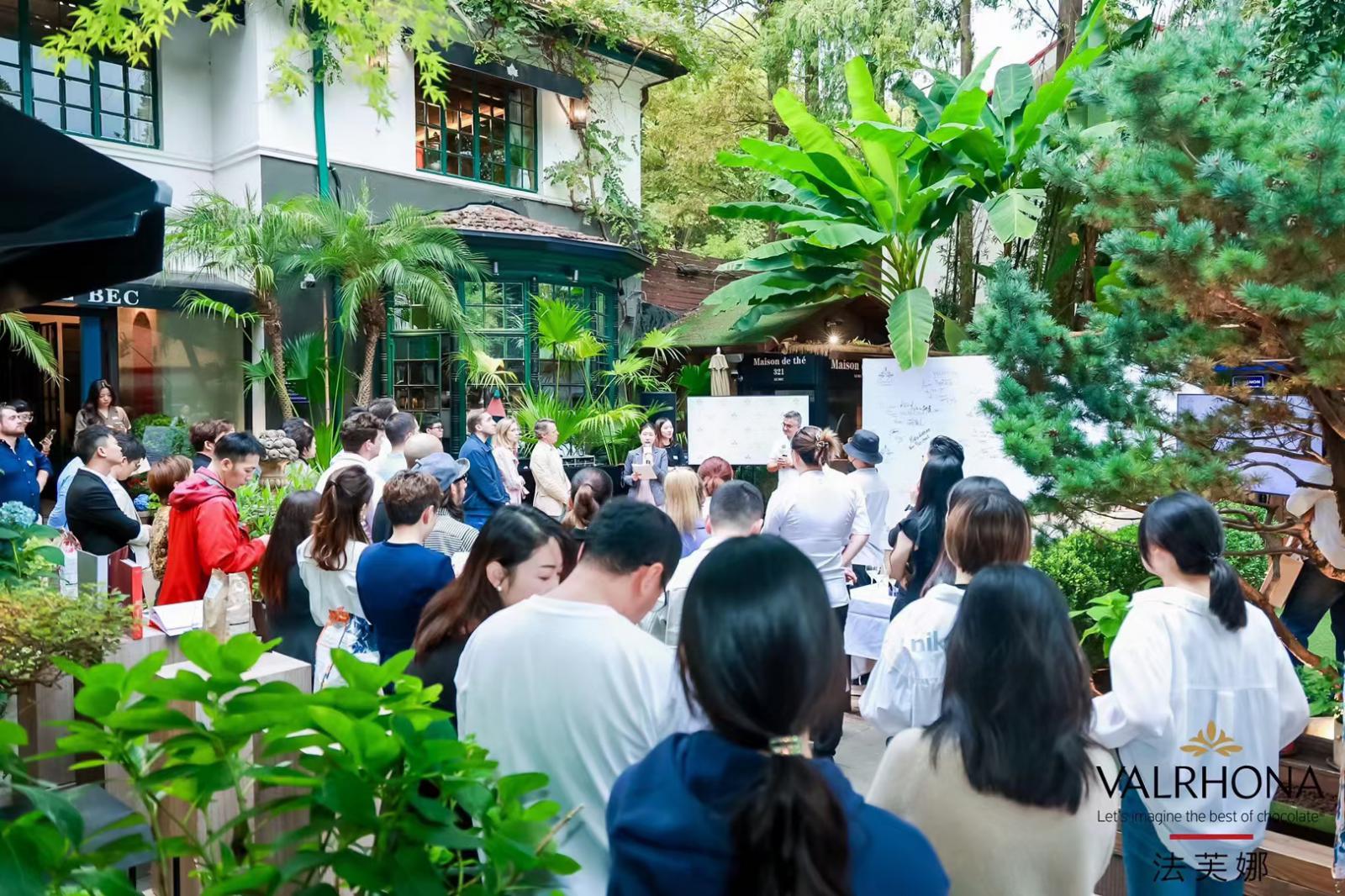
How to Choose a Non-Traditional Venue for Your Salon Meeting?
TOWIN News