

How to Make Parent-Child Games with Multidisciplinary Knowledge More Fun
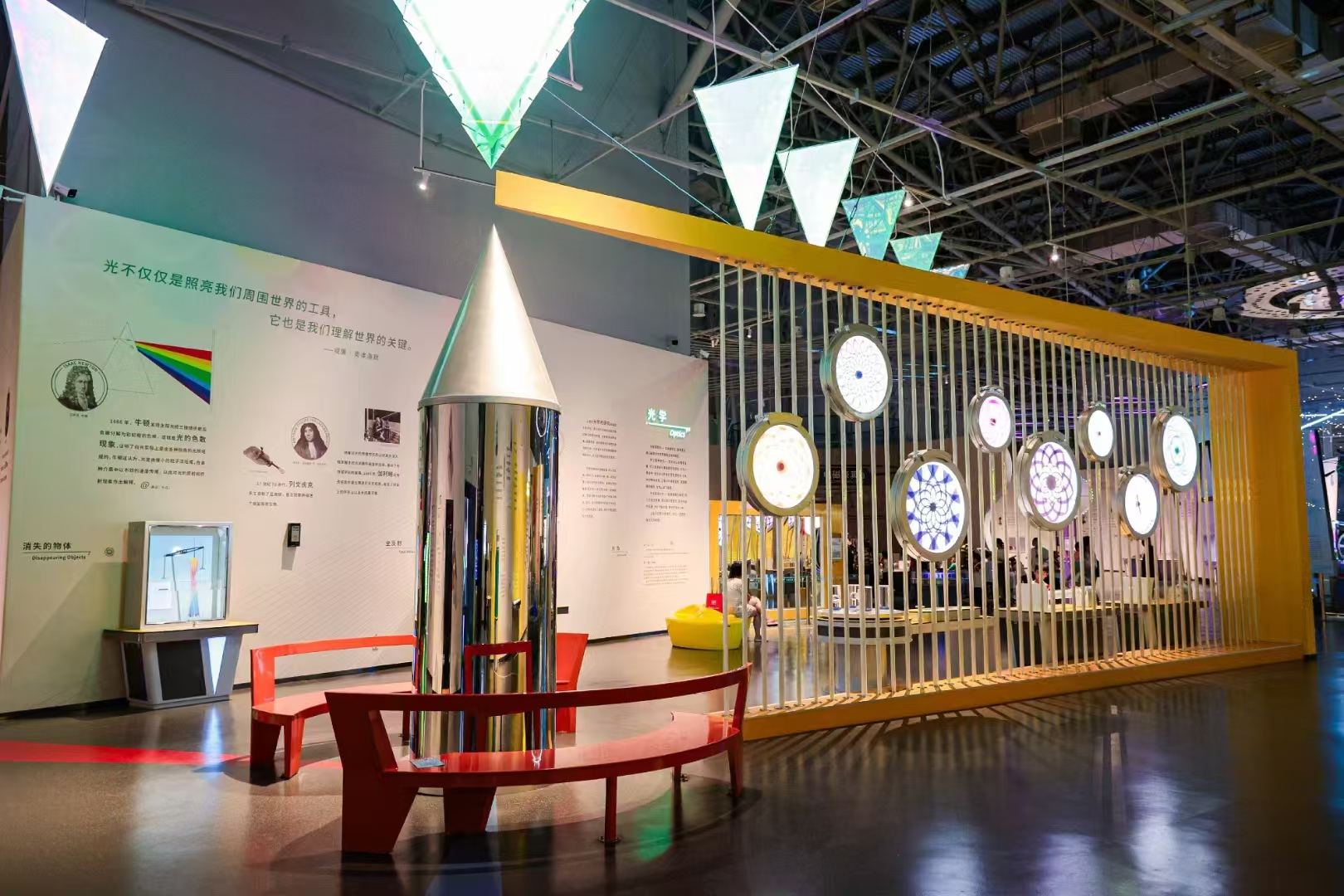 1. Role-Playing and Scenario Setting
- Create a story background: Integrate the game into an engaging storyline, such as "expedition team" or "scientist," allowing children to participate as characters to increase immersion.
- Use props: Provide costumes or props related to the story, such as explorer hats or science experiment tools, to enhance the fun and engagement.
2. Introduce Competition Elements
- Set awards: Give small prizes to families or individuals who complete tasks, such as "Best Explorer" or "Creative Artist," to motivate children's participation.
- Time limits: By setting time constraints for task completion, make the game more challenging and urgent, enhancing participants' motivation.
3. Multi-Sensory Experience
- Visual and auditory: Combine visual and auditory elements, such as using music, lighting effects, or natural sounds (e.g., bird calls) to enhance the experience.
- Tactile and olfactory: Design activities that involve contact with nature, such as collecting different leaves or bark, to enhance children's sensory experiences.
4. Application of Technology Elements
- Use apps: Utilize educational apps or AR technology to allow children to learn interactively during games, such as using maps or QR codes in adventure games, adding a modern tech feel.
- Track progress: Use electronic devices to record achievements and progress in the game, allowing children to see their growth after the activity.
5. Family Collaboration and Competition
- Parent-child teams: Divide family members into different teams, setting cooperative or competitive tasks to enhance team spirit and interaction.
- Rotating leadership: Let children take turns organizing the game, providing them with leadership opportunities to increase immersion and participation.
6. Incorporate Immediate Feedback
- Instant rewards: Set up an instant reward mechanism in the game; when a child completes a task, give a small prize or praise immediately to enhance satisfaction.
- Sharing and discussion: After the activity, set up a sharing session where children can talk about their feelings and gains, enhancing reflection and communication.
7. Let Children Participate in Design
- Co-design games: Involve children in setting game rules and choosing props, enhancing their sense of participation and creativity.
- Pilot and optimize: After each activity, invite children to suggest improvements and actively listen to their ideas to enhance the fun of the next activity.
8. Cross-Disciplinary Connections
- Combine different subjects: Explore relationships between different disciplines, such as science and art, by creating art through hands-on experiments, broadening knowledge.
- Themed week activities: Set specific themed weeks, using one theme to run through multiple days of activities, such as "Environmental Week," allowing children to deepen their understanding of the theme.
Through these methods, parent-child games combined with multidisciplinary knowledge can become more interesting and engaging, enhancing family interaction and learning outcomes.

How to Plan a Successful Immersive Themed Exhibition?

How to Customize Event Plans for Clients?

How to Uncover a Unique Brand Story?

A Creative Marketing Extravaganza

Fun Christmas Interactive Activities for Your Team

Fireworks Installation Design Guide

How to Better Understand Target Customer Needs for Community Marketing?

How to Implement Offline Activities in Real Estate Community Marketing?

How to Optimize Your Roadshow Based on Venue Layout?
How to Choose a Non-Traditional Salon Meeting Venue?
TOWIN News