

Three Key Principles for Event Planning
A successful event is closely tied to thorough event planning. Event planning covers a wide range of aspects, and when conducting professional event planning, it is important not to simply pursue rich content but to adhere to relevant principles. Based on corporate requirements and combined with these principles, the specific principles are as follows:
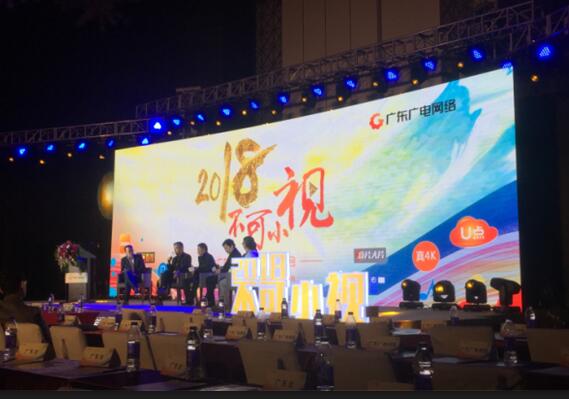
First, have a clear theme. A successful event always has a distinct theme around which all planning and subsequent work revolves. A clear theme not only gives planners direction but also provides a clear guiding idea for staff when setting up or arranging the event.
Second, keep the event duration as short as possible. Long-winded presentations do not necessarily resonate better or achieve greater impact; concise and essential content is more likely to engage attendees. Overly long events can cause fatigue, lead participants away from the core theme, and reduce the overall effectiveness.
Third, ensure the venue decoration matches the event theme. The style of decoration and the facilities used should align with the theme of the current event, avoiding excessive extravagance or inconsistency with the theme, and ensuring that the on-site atmosphere is in harmony with the theme.

How to Plan a Successful Immersive Themed Exhibition?

How to Customize Event Plans for Clients?

How to Uncover a Unique Brand Story?

A Creative Marketing Extravaganza

Fun Christmas Interactive Activities for Your Team

Fireworks Installation Design Guide

How to Better Understand Target Customer Needs for Community Marketing?

How to Implement Offline Activities in Real Estate Community Marketing?

How to Optimize Your Roadshow Based on Venue Layout?
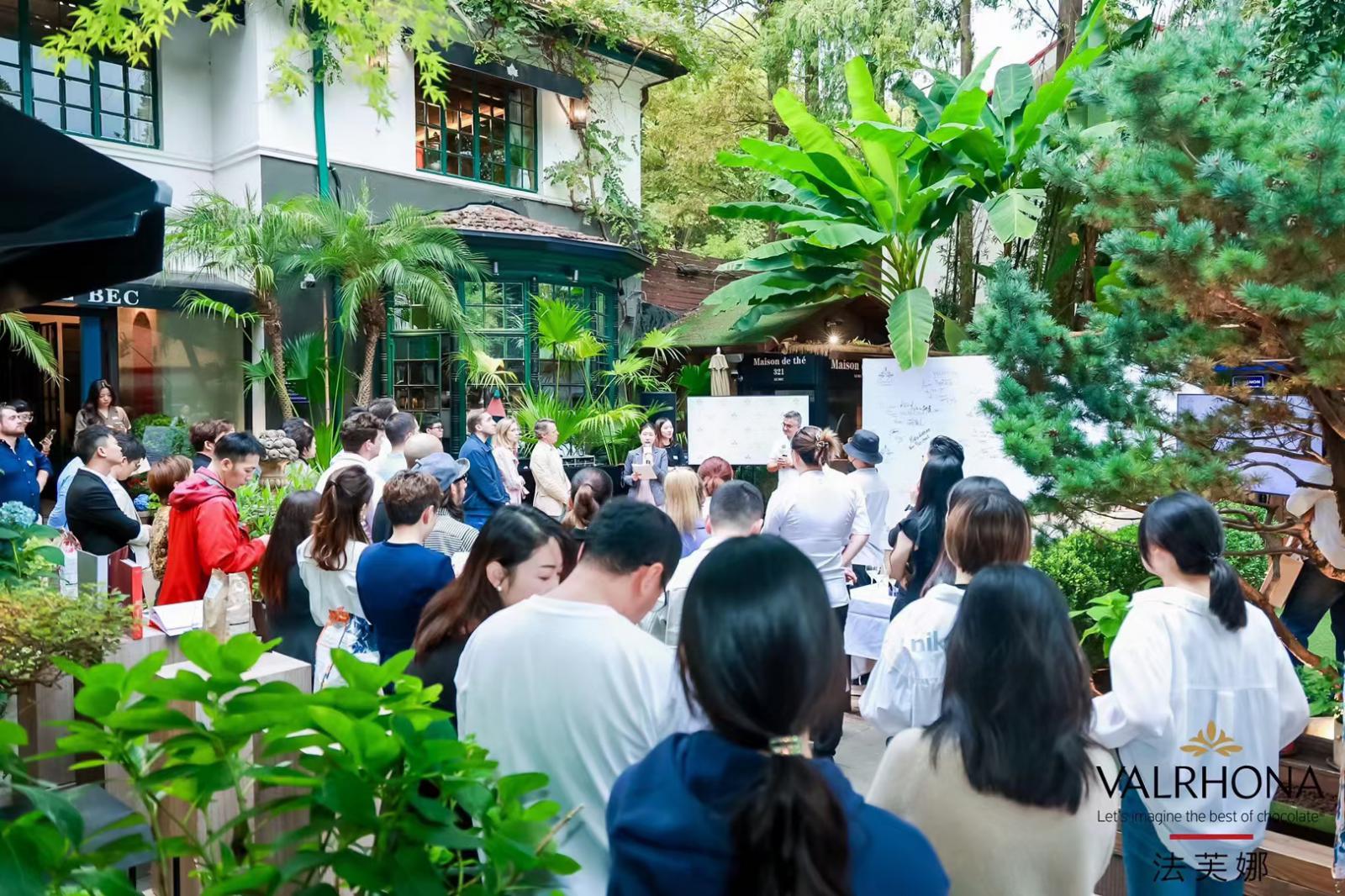
How to Choose a Non-Traditional Salon Meeting Venue?
TOWIN News