

Venue Rental Guide: Key Points from Basics to Contract Signing
For event organizers, venue rental is a top priority. For larger meetings, especially those involving clients, partners, or distributors from across the country, finding a suitable venue is crucial, and sometimes additional setup and decoration are needed. Therefore, you may need this venue rental guide.

1. Basic meeting details. The time, location, and scale of the meeting are the fundamental aspects of both the meeting and the venue rental. Only after confirming these basics can you search for venues that meet your requirements within a reasonable range.
2. Additional requirements. Once you have a shortlist of venues that roughly meet your needs, it's time to filter them. Additional requirements include venue size, table setup, shape, ceiling height, and sound system. These conditions finalize your venue needs. Within the broad range of options, many venues that don't meet these criteria will be eliminated.
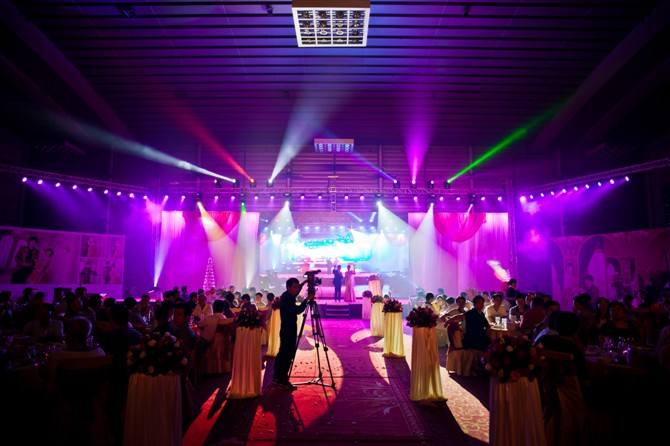
3. Pricing. Price often becomes the decisive factor after all other conditions are met. When renting a venue, pay close attention to the pricing scope and unit. There is a fundamental difference between per-session and per-day pricing. Typically, one session is defined as 4 hours, roughly half a day. Some hotels calculate three sessions per day, so it's essential to clarify the hotel's pricing unit. A day usually includes morning, afternoon, and evening. After clarifying the pricing unit, also pay attention to the setup time provided by the venue. Setting up for a meeting takes time, but is the setup time free? If not, how much does it cost? Only by comparing prices under all circumstances can you arrive at a final comparable price.
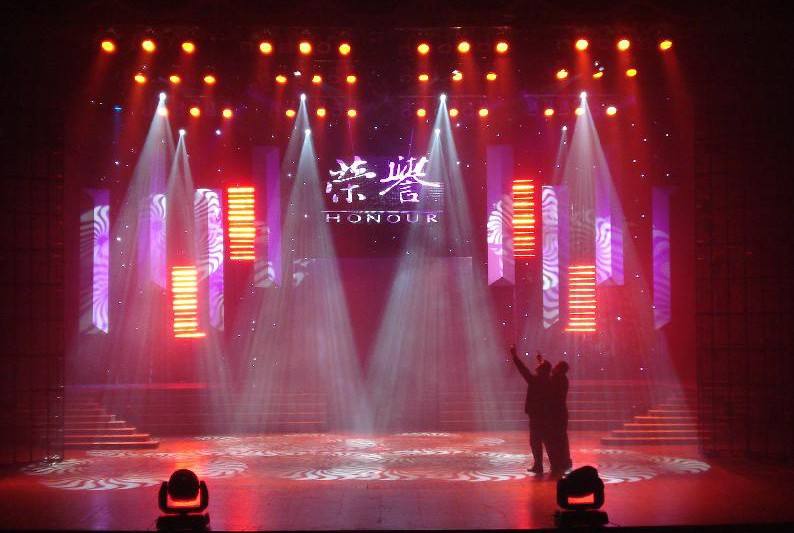
4. Contract signing. After finalizing the venue, you need to sign a contract. Signing a contract is also a skill. Be sure to clearly state all previously confirmed items and prices in writing. Include the settlement account, method, and currency. Also specify the services the hotel promises to provide and the complimentary facilities included with the venue. For large meetings, it's best to note the name of the venue's responsible person at a certain level, so you don't have trouble finding the right contact if issues arise during the event.

Meetings and events have become an important communication method in business activities. A successful meeting requires professional organizers to plan and execute it from a professional perspective.

How to Plan a Successful Immersive Themed Exhibition?

How to Customize Event Plans for Clients?

How to Uncover a Unique Brand Story?

Marketing Event Planning and Execution Guide

Fun Christmas Interactive Activities for Your Team

Fireworks Installation Design Guide

How to Better Understand Target Customer Needs for Community Marketing?

A Practical Guide to Offline Community Marketing Events for Real Estate

How to Optimize Roadshow Effectiveness Based on Venue Layout

How to Choose a Non-Traditional Venue for Your Salon Meeting?
TOWIN News