

Festivals as a Platform for Building Local Brands
Festivals are a unique type of themed activity for humanity. Throughout history, both in China and abroad, significant dates have been designated as festivals to commemorate them. In market economies, festivals have far exceeded their commemorative significance; ironically, the more commemorative the date, the harder it is to remember, while themes that capture people's attention are more memorable. As a result, festivals have diversified, and now almost any kind of festival can be found in China. Local governments have discovered that festivals are an excellent pretext to attract attention, and they have increasingly valued them, making festivals more lively. It is said that in the approximately 2,000 county-level regions, there may be thousands of festival activities each year.
Today's society is an attention society. Due to changes in information dissemination, the efficiency of formal information transmission may lag far behind informal channels; the key is how to transmit. As the recent bestseller Here Comes Everybody suggests, we must value the organizing power of non-organizations. Festivals are a typical field where non-organizational power is applied. It should be said that most local governments have high expectations for festivals, because in the attention economy, festivals are a good platform to attract attention. This platform can enhance local visibility, expand local influence, and strengthen local competitiveness.
At the end of September, I visited Pinghu City in Zhejiang Province, where a Watermelon Lantern Festival was held, promoting local traditional handicrafts as local characteristics, which played a significant role in attracting investment. Even though Pinghu is already among the top county-level economies, it continues to hold the Watermelon Lantern Festival with vigor, constantly expanding its connotation, and it has truly become a local business card.
However, among the thousands of festivals organized by local governments, only a few operate as smoothly as the Pinghu government. More often, festivals are held for investment attraction, but due to planning and operational issues, the result is often that the local government entertains itself, the local people suffer, and the media produce officialese, without real impact. Therefore, although festivals are not a mandatory function of local governments, they have become a topic that governments must seriously study. If local development relies on investment attraction, then how to use festivals to build a local business card and influence is clearly an important issue for local governments, especially at the county level.
To make festivals truly serve as a platform for building a local brand, it is essential to deeply understand the communication characteristics of today's society, understand people's psychological traits, and carefully plan based on local culture, humanities, natural and social resources, treating the festival as a marketing event. Drawing on basic marketing principles, festival planning should at least answer the following questions:
- What is the selling point of the festival?
- Who should the festival influence?
- Who are the participants of the festival?
- What is the best communication channel?
- How can local characteristics be accepted by outsiders?
- Who pays for the festival?
- What activities can achieve the above objectives?
- How can the festival's connotation be sustainable?
In fact, with the continuous development of local festivals, not only is the number increasing, but the quality is also improving. Some local governments have accumulated very useful experience in organizing festivals, especially in market operations. Exchange of experience among local governments can not only promote the continuous improvement of festival standards, but also further integrate resources from different places, generating higher benefits on a larger platform. This is the basic role of the county-level festival forum. I believe such exchanges will bring about economic interconnection and cooperation among local regions, and under the province-directly-administered-county system, assist county-level governments to the greatest extent in planning the revitalization of local economies.
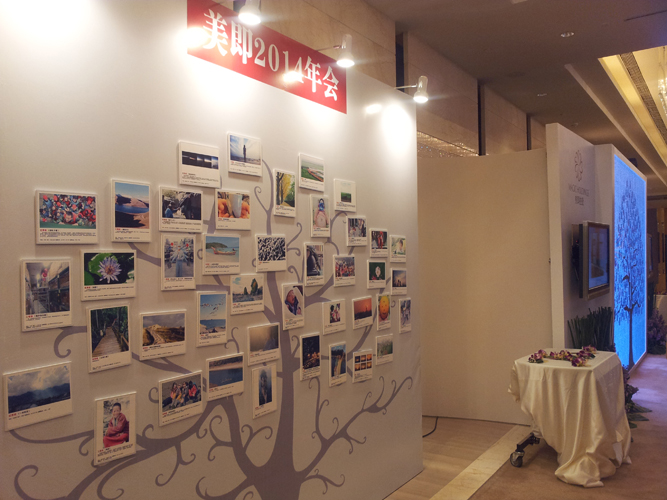
“I Have a Dream” – MG Mask 2014 Annual Party
Tuoyuan PR & Media Helps SANY Shine at Las Vegas Trade Show

Event Management and Creative Strategies for Corporate Award Ceremonies
Brand: The Core of Corporate Value

Sochi Winter Olympics Closing Ceremony: Using...

Four Key Points and Considerations for Corpo...

Key Points of Event Planning

Development and Application of Beam Moving H...
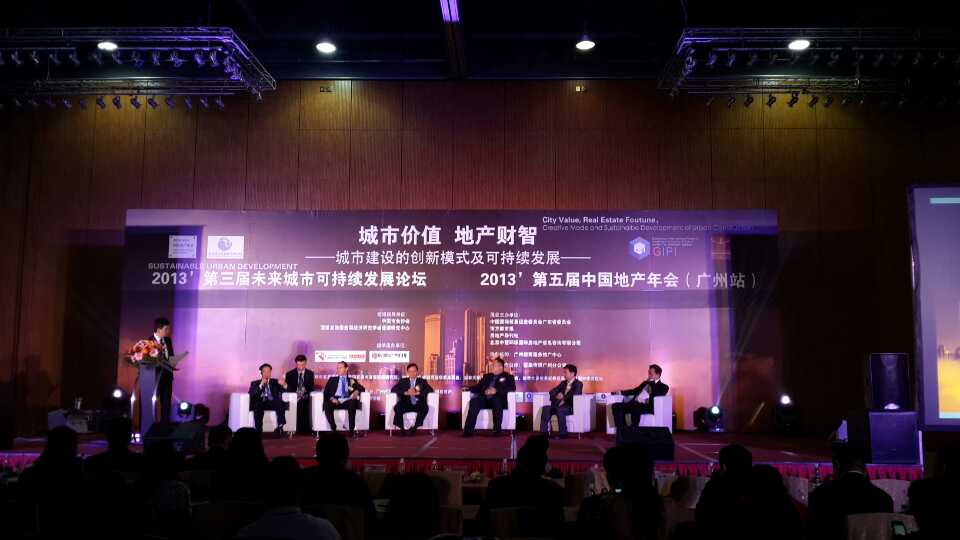
5th China Real Estate Annual Conference Held in Guangzhou in 2013

MediaTek True Octa-core Smartphone Processor Mainland Launch Event
TOWIN News