
How to Plan a Successful Investment Promotion Event?
An investment promotion conference is an activity in which the organizing body introduces, publicizes, and promotes its investment environment and projects to the outside world through various types of meetings and events, facilitating communication and building connections to attract investors. In economically developed and market-oriented conditions, it is not only an important way for the organizing body to explore international markets and attract multinational investment, but also a proactive measure to promote its own image and expand social influence.
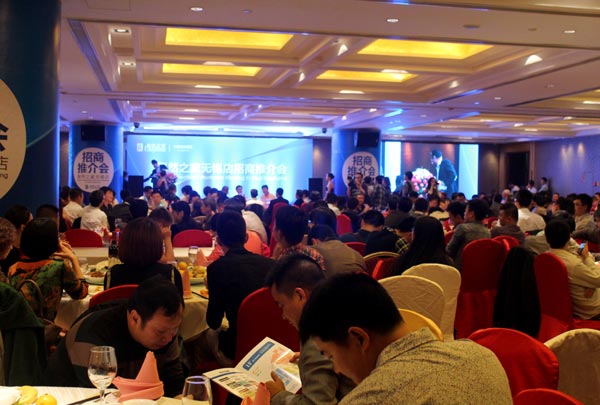
Large-scale investment promotion conferences are comprehensive events of considerable size held domestically or internationally by the organizing body (usually government departments or large institutions), where relevant departments and industry units from the region or system participate. Their main characteristics include: grand scale with strong social impact; extensive invitations to investors through government or influential external channels; and a wide range of projects announced, with large investment areas and project scales, covering diverse industries. For such large and important events, careful planning is essential. Pay attention to the following key points:
1. Preliminary Planning
As the saying goes, you cannot fight a battle without preparation. Every action should be a step in a plan. An investment conference is just one part of a company's annual operations. Many companies still haven't decided how to run the event, in what format, or under what theme, even as the date approaches. Some even get the idea after hearing about a competitor's success. Or a new manager, eager to prove themselves, may rush into holding a conference without fully integrating with the company, which carries high risk. Only with overall planning in advance and minor adjustments along the way can the chances of success increase.
2. Define the Program and Policy
Beyond a good product, the program's appeal is crucial for a successful conference. Many companies scramble to devise a plan at the last minute or copy others' programs. While learning from others is wise, it's hard to capture the essence; superficial imitation can backfire.
3. Clarify the Objectives of the Event
Understanding the purpose might seem obvious—signing contracts, of course. But beyond that, there should be additional objectives and long-term benefits. The goals may be multiple, but there should be a core purpose and supplementary ones.
4. Market Analysis
Data is the foundation of success. Before the conference, conduct market research, including the number of cities and regions, population size, target customer groups, market consumption levels, consumption habits, and competitor models in the target market. Only with concrete research can you assess the feasibility and cost of your plan.
5. Highlight the Event's Unique Selling Points
With frequent industry events, clients often feel fatigued, making invitations a challenge. The event's highlights are the main attraction for invitations, including the venue, keynote speakers, the organizer's strength, product policies, and the event format.
6. Pre-Event Preparation
60% of a successful conference depends on pre-event preparation. Design reward and penalty mechanisms for staff, and ensure the invitation design is thematic and highlights are prominent. Staff should be well-versed in product policies and undergo training so everyone works with enthusiasm and focus. Prepare and check material lists, conduct invitation training and simulations, rehearse programs, assign roles, prepare materials, train for contract signing, compile potential client lists, and design and rehearse the event flow.
7. On-Site Control
The venue should create an atmosphere that aligns with the product culture. Pay attention to details in guest reception; distinguish between existing and potential clients to facilitate negotiations. The event agenda should be engaging, with speaker topics and styles suited to the target audience, subtly highlighting the product and company within the sessions.
8. Post-Event Follow-Up and Payment Collection
Post-event follow-up plays a significant role in the overall success. Prioritize follow-up with potential clients, arrange shipments for signed clients, and confirm meeting times promptly. Especially for payment collection after signing, conduct a timely summary and targeted training on payment collection.
In summary, a successful investment promotion event hinges on staff enthusiasm and control over each segment. Such events are among the fastest ways for organizations to expand networks and attract investment. Moreover, a well-planned event also enhances the company's local influence and reputation, which serves as a powerful engine for sales and a strong marketing pull.

How to Plan a Successful Immersive Themed Exhibition?

How to Customize Event Plans for Clients?

How to Uncover a Unique Brand Story?

Marketing Event Planning and Execution Guide

Fun Christmas Interactive Activities for Your Team

Fireworks Installation Design Guide

How to Better Understand Target Customer Needs for Community Marketing?

A Practical Guide to Offline Community Marketing Events for Real Estate

How to Optimize Roadshow Effectiveness Based on Venue Layout
How to Choose a Non-Traditional Venue for Your Salon Meeting?
TOWIN News